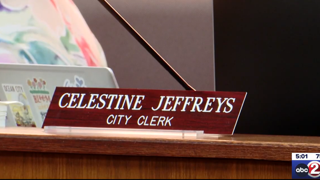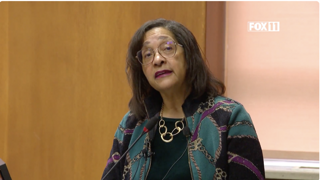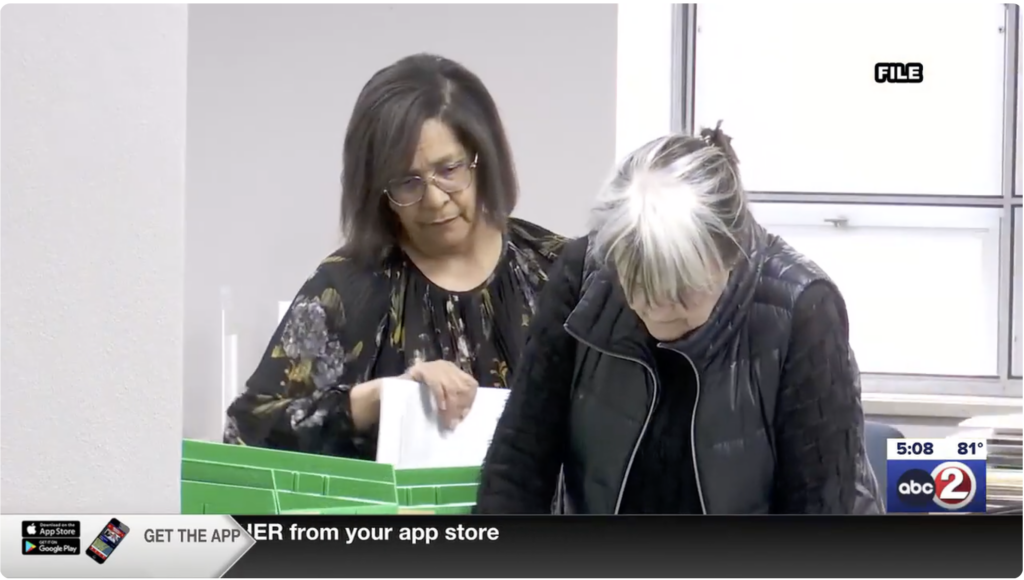
Green Bay City Clerk Celestine Jeffreys has stepped down from her position after a series of absentee ballot errors and an ongoing investigation by the Wisconsin Elections Commission. The city announced her resignation jointly with Jeffreys late last week, stating only that she "has made the decision to step down" and offering no further comment, according to an official statement.
Explainer Election Integrity in America: Safeguarding Voter Trust and Ballot Security
The resignation comes as Green Bay faces scrutiny over repeated mistakes in absentee ballot mailings, with critics arguing the city's response has lacked transparency and accountability.
Jeffreys' departure follows two incidents this year in which her office mailed duplicate absentee ballots to voters, most recently ahead of Wisconsin's August primary. City officials attributed both errors to printing mistakes, but have not disclosed how many voters were affected or how the duplications occurred. The Wisconsin Elections Commission is investigating whether the latest incident violated state election law, and city officials are expected to present findings to the city council later this month.
Duplicate Ballot Errors
In June, Green Bay staff mailed over 5,000 absentee ballots, later discovering that some voters in eight wards received duplicates. The city said the error affected about 15% of its 52 wards. Jeffreys described the issue as a printing error and assured voters that only one ballot per eligible voter would be counted. However, she deferred further questions to the city's communications director, who stated that no additional information would be provided until the investigation concluded, as reported by the Green Bay Press-Gazette.
A similar mistake occurred in April, when at least 152 voters received duplicate ballots before the city's spring elections. In both cases, the clerk's office said it would ensure that only one ballot per voter would be tabulated. Wisconsin Elections Commission chairwoman Ann Jacobs called the duplications "ordinary human error," but acknowledged uncertainty about how they happened.
Political and Legal Fallout
Republican officials have criticized the city's handling of the ballot errors and the lack of detailed public explanation. Doug Reich, chairman of the Republican Party of Brown County, argued that repeated incidents and the city's limited response do not constitute real accountability.
"Two elections. Two rounds of duplicate absentee ballots. A state investigation. And the best the city could produce, even after all that, was a two-sentence statement with no explanation and no apology to the voters affected."
— Doug Reich, chairman, Republican Party of Brown County
Nicholas Boerke, legal counsel for Republican board member Theresa Sipes, has asked the Wisconsin Elections Commission to determine whether the city complied with a July 31 order to explain the latest error. Boerke argued that the city's response—a letter from its attorney—lacked sworn testimony or supporting records. He called for the commission to use its authority to subpoena records and take testimony under oath.
Broader Election Integrity Concerns
Jeffreys' tenure as city clerk has been marked by controversy beyond the recent ballot errors. She was previously found by the Wisconsin Elections Commission to have violated election law in 2022 by accepting multiple absentee ballots from individual voters. That same year, a judge issued a temporary injunction requiring Green Bay officials to allow Republican poll watchers full access during early voting, following a lawsuit by the Republican National Committee.
Jeffreys also played a key role during the 2020 election, when Green Bay received grant funding from organizations linked to Meta CEO Mark Zuckerberg. The grants, part of what critics dubbed the "Zuckbucks" scandal, required local officials to work with outside groups on election administration. Jeffreys was appointed city clerk shortly after her predecessor resigned amid concerns over outside influence in the office.
The Public Interest Legal Foundation, which filed a complaint that led to a finding of election law violations by Jeffreys, said her resignation should serve as a warning to other officials. "It should serve as a reminder to election officials nationwide: following election law is not optional, and PILF will continue holding officials accountable when they fail to do their jobs," said Logan Churchwell, the group's research director.
City officials have not clarified who will permanently replace Jeffreys. The deputy clerk is currently managing day-to-day operations as the city prepares for the upcoming primary election.