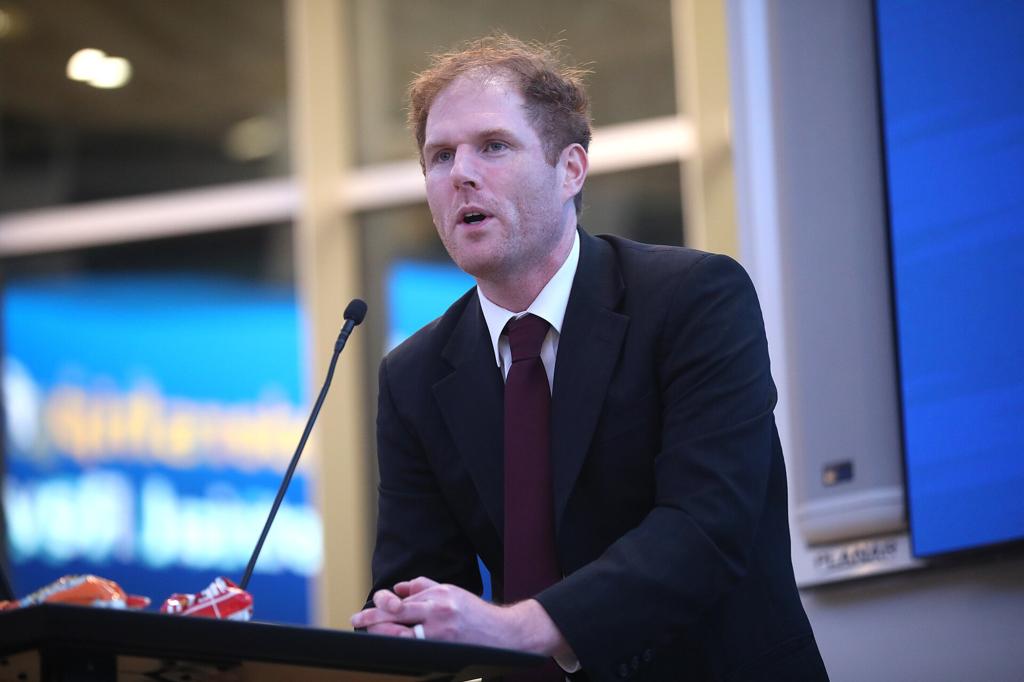
An Arizona state judge ruled on Thursday in favor of Maricopa County Recorder Justin Heap, effectively overturning a previous agreement that had stripped him of key election responsibilities. The decision by Maricopa County Superior Court Judge Scott Blaney restores Heap's authority and resources necessary for conducting elections in the county, which has faced scrutiny over its election management.
The ruling highlights a significant legal conflict regarding election administration in one of Arizona's most populous counties, where the Board of Supervisors had previously taken control of essential election functions. Heap, who took office in January 2025 after defeating former Recorder Stephen Richer, argued that the Board's actions were unlawful and undermined his ability to fulfill his statutory duties.
Heap's legal battle began after Richer, in a move that Heap described as an "anti-election integrity" maneuver, negotiated a Shared Services Agreement (SSA) with the Board just weeks before the 2024 election. This agreement transferred key election responsibilities from the Recorder's office to the Board, including control over IT staff and early voting processes, which are typically managed by the Recorder.
Key Details
In his ruling, Judge Blaney stated that the Maricopa County Board of Supervisors (MCBOS) had acted unlawfully by seizing Heap's personnel, systems, and equipment without proper authority. He emphasized that the Board cannot use its budgetary power to coerce the Recorder into relinquishing his statutory responsibilities. "The Court finds specifically that the IT staff, servers, databases, and websites seized by the Board... are necessary for the conduct of the Recorder’s duties," Blaney wrote.
Background and Reactions
Heap expressed gratitude for the ruling, stating, "I am grateful to the court for this clear and decisive victory for the rule of law and for the voters of Maricopa County." He added that the decision confirms the Board's obligation to fund his office adequately to carry out its election administration responsibilities.
The judge's decision comes amid ongoing concerns about election integrity in Maricopa County, which has a history of chaotic elections. Heap's predecessor, Richer, had been a vocal critic of election integrity advocates, and his agreement with the Board was seen by some as an attempt to diminish the Recorder's role in overseeing elections.
Heap's lawsuit, filed in June 2025, sought to reclaim the powers and resources necessary for his office to function effectively. He argued that Arizona law clearly assigns election administration responsibilities to the Recorder, not the Board of Supervisors. The court found that the Board's actions had likely caused operational harms, including the potential denial of voters' rights to have their full ballots counted.
Judge Blaney ruled that the Board must either return all seized IT staff and resources to Heap or fund the necessary expenses for him to independently secure replacements. He noted that Heap had shown a willingness to cooperate with the Board, contrasting it with the Board's lack of responsiveness.
The ruling has drawn mixed reactions. Supporters of Heap's position argue that it reinforces the importance of maintaining clear lines of authority in election administration. However, critics of the decision, including some members of the Board, have not publicly responded to the ruling or its implications for future election management in the county.
As Maricopa County prepares for upcoming elections, the implications of this ruling could significantly impact how elections are conducted and the level of oversight exercised by the Recorder's office. The court's decision underscores the ongoing debate over election integrity and the balance of power between local election officials and governing bodies.
Heap's case reflects broader tensions in election administration across the country, where similar disputes have emerged over the authority and responsibilities of election officials. As the legal landscape evolves, the outcome of this ruling may set a precedent for how election duties are managed in Arizona and beyond.