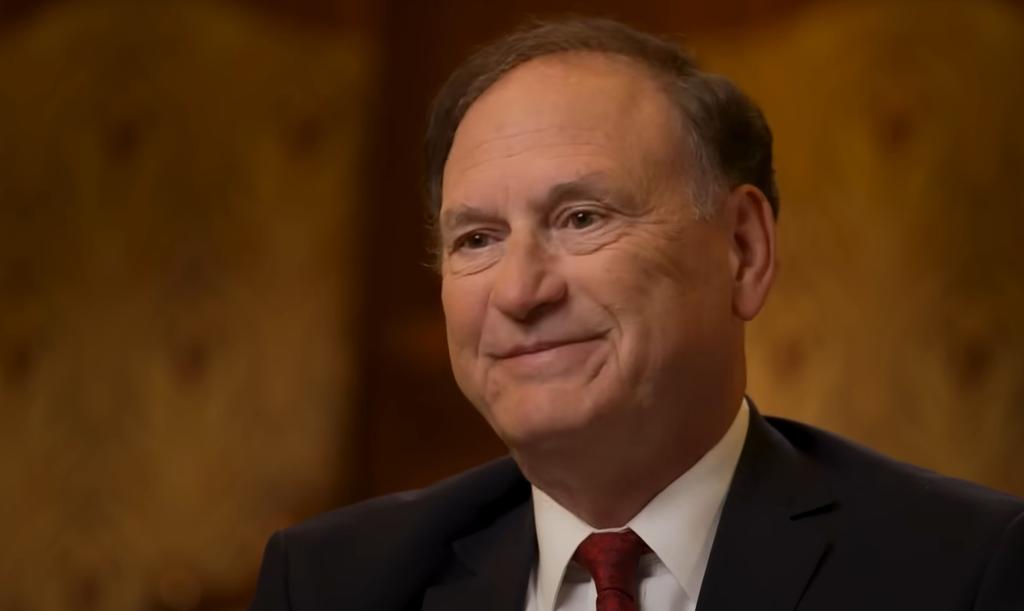
Supreme Court Justice Samuel Alito has described his clerkships as integral to an ongoing ideological battle for the future of the United States. In a new book by Mollie Hemingway, Alito is quoted as wanting his clerks to approach their roles with the awareness that they are engaged in a "war" for the preservation of the Constitution and the republic.
This perspective highlights a significant tension in the legal community, where the role of clerks is traditionally seen as a prestigious stepping stone to lucrative legal careers. Alito's framing suggests that the stakes are higher than personal advancement, as he believes clerks must recognize their work as part of a broader ideological struggle.
Hemingway's book, "Alito: The Justice Who Reshaped the Supreme Court and Restored the Constitution," includes insights from insiders who describe Alito's clerks as the "Green Berets" of the Supreme Court. This characterization underscores the expectation that clerks will not only support the justices but also actively defend the court against perceived external threats.
The Role of Clerks
Clerks play a crucial role in the Supreme Court's operations, handling tasks such as screening petitions, conducting legal research, and drafting opinions. Alito's emphasis on their role as defenders of the court's integrity reflects his belief that they must also contend with outside pressures from politicians, activists, and the media.
"Sam wants clerks to recognize that this is war, that they’re on the same page and fighting for America, not their future careers," a friend of Alito's told Hemingway. This sentiment indicates a shift in how clerkships are perceived, moving from a focus on career advancement to a mission-driven approach.
Ideological Battles and External Pressures
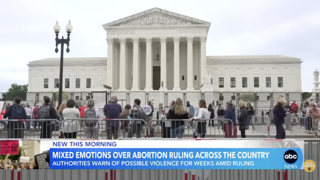
The ideological nature of this struggle became particularly evident during the deliberations over the Dobbs v. Jackson Women’s Health Organization case, which ultimately led to the overturning of Roe v. Wade. Alito authored the majority opinion, and the process was marked by significant internal and external conflict, including the leak of the draft opinion and threats against justices.
Hemingway noted that abortion supporters had an incentive to intimidate justices in the majority to alter the outcome of the case. She wrote, "Left-wing violence and threats spiraled out of control as a means to intimidate the justices into ruling a different way." This environment of intimidation has raised concerns about the court's independence and the safety of its members.
The Impact of Intimidation Tactics
Alito views the threats of court-packing and impeachment as attempts to coerce justices into aligning with political agendas. He believes these tactics undermine the traditional separation of the judiciary from political influence. Hemingway's account suggests that the leak of the Dobbs opinion and the subsequent backlash have eroded trust among justices, complicating their ability to work collaboratively.
While critics argue that Alito's framing may exaggerate the threats facing the court, supporters of his perspective contend that the integrity of the judiciary is indeed at risk. Those in favor of Alito's approach assert that the court must remain steadfast against external pressures to maintain its constitutional role.
As the Supreme Court continues to navigate contentious issues, Alito's call for his clerks to engage with a sense of purpose reflects a broader concern about the future of judicial independence in an increasingly polarized political landscape. The implications of this ideological battle extend beyond the court, influencing public perception and trust in the judicial system as a whole.