The Department of Homeland Security (DHS) recently announced the arrest of several unauthorized immigrants who have serious criminal convictions. This announcement coincided with a significant moment in U.S. politics, as congressional Democrats chose not to publicly affirm their commitment to prioritizing the safety and well-being of American citizens over individuals residing in the country illegally. This incident highlights the growing divide between political parties regarding immigration enforcement and public safety, a divide that has become increasingly pronounced in recent years.
Explainer Public Safety and Crime Trends in America: Understanding the Landscape
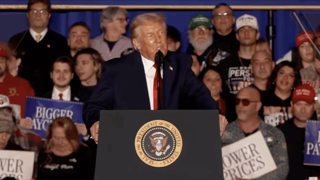
During President Donald Trump’s recent State of the Union address, he called on legislators to reaffirm the principle that the government’s primary duty is to protect American citizens. Trump pointed out that no Democrats stood in support of this statement, while Republicans did. He criticized Democrats for impeding efforts to remove unauthorized immigrants, claiming that they have cut off essential funding for DHS. Trump argued that this funding is critical for protecting Americans from crime, particularly crimes committed by individuals who are in the country illegally.
Arrests of Criminal Unauthorized Immigrants
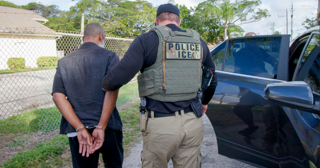
The arrests made by DHS included individuals convicted of serious offenses such as murder, sexual assault, and aggravated assault. Among those apprehended was Jesus Morales-Bonet, a Cuban national who had previously been convicted of murder and drug trafficking. He was arrested in Chicago. In Miami, Jorge Martinez-Casado, also from Cuba, was taken into custody for battery against law enforcement. Other notable arrests included Yousif Suliman from Sudan, who was convicted of sexual acts against a child, and Ketrat Pakiu from the Federated States of Micronesia, who faced charges of incest.
DHS Deputy Assistant Secretary Lauren Bis emphasized the agency's commitment to removing criminal unauthorized immigrants from the country. She stated, "We are fighting for the victims of illegal alien crime and will always put American citizens before illegal aliens." Bis criticized what she termed the inaction of "sanctuary politicians" who, she claimed, prioritize the rights of unauthorized immigrants over the safety of the public. This statement reflects the ongoing tension between those advocating for strict immigration enforcement and those who argue for more lenient policies.
Political Reactions and Funding Disputes
Trump's address also highlighted the ongoing political struggle over funding for DHS, with Senate Democrats blocking Republican efforts to secure funding for immigration enforcement. This situation has led to significant political discourse, with Rep. Daniel Webster, R-Fla., commenting on the matter. He asserted that a potential shutdown of DHS would not impact Immigration and Customs Enforcement (ICE) operations. However, he accused Democrats of holding essential funding hostage, which he argued could have serious implications for public safety.
Webster stated, "They are holding essential funding hostage," suggesting that the current impasse is detrimental to both public safety and immigration enforcement. Critics of the Democrats' stance argue that their refusal to support funding for DHS undermines efforts to protect citizens from violent crime committed by unauthorized immigrants. This ongoing debate over funding reflects broader concerns about how immigration policies are shaped and implemented in the United States.
Balancing Perspectives
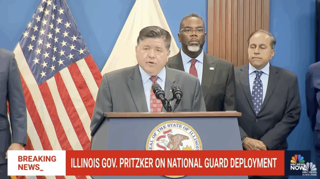
While Republicans have been vocal in their criticism of Democrats regarding their stance on immigration, Democratic leaders have not publicly responded to these specific accusations concerning the arrests or the funding disputes. Some experts argue that the complexities of immigration policy require a more nuanced approach, one that balances enforcement with humanitarian considerations. Supporters of the Democrats' position contend that comprehensive immigration reform is necessary to address the root causes of unauthorized immigration, rather than solely focusing on enforcement measures.
As the debate continues, the DHS remains focused on its mission to remove individuals who pose a threat to public safety. Bis concluded her remarks by stating, "We will not stop fighting for the arrest and removal of criminal illegal aliens who have no right to be in our country." The ongoing tensions between the political parties suggest that immigration policy will remain a contentious issue as the nation approaches future elections, with both sides likely to continue to leverage these issues to rally their respective bases.