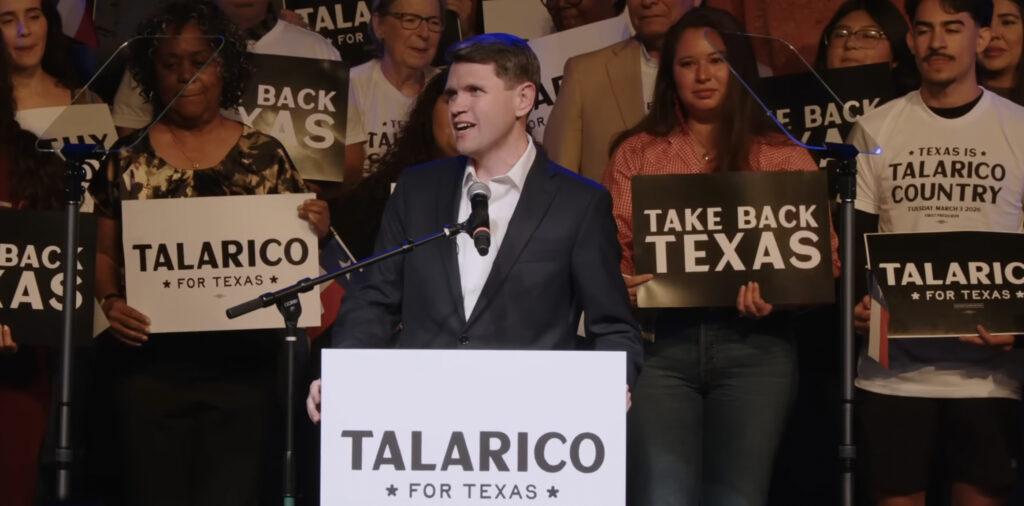
David French, a columnist for the New York Times, recently expressed support for Texas politician James Talarico, describing him as one of the few openly Christian politicians who genuinely embodies Christian values. French's remarks have sparked debate over the intersection of faith and politics, particularly in light of Talarico's progressive stances on issues like abortion and LGBTQ rights.
Explainer Legal Landscape in Texas: Key Issues Reshaping State Law
The core tension in this discussion revolves around differing interpretations of Christian values in political contexts, especially as they relate to candidates like Talarico and Ken Paxton, the Texas Attorney General. Critics argue that Talarico's views diverge significantly from traditional Christian teachings, while supporters contend that his approach promotes a more inclusive understanding of faith.
In his column, French lauds Talarico for criticizing the evangelical focus on abortion and homosexuality, stating that these are issues Jesus never directly addressed. Talarico is quoted saying, "I am tired of being pitted against my neighbor. I’m tired of being told to hate my neighbor." This sentiment reflects a broader call for civility in political discourse, which French emphasizes throughout his piece.
Criticism of MAGA Politics
French contrasts Talarico's approach with what he describes as the "MAGA Christian movement," suggesting that many within this group have strayed from core Christian principles. He claims that Talarico's actions reveal a stark difference from the behavior of some right-wing politicians, particularly Ken Paxton, whom he labels as indecent due to past personal conduct, including allegations of adultery. French argues that Paxton's behavior is inconsistent with Christian values, stating, "If you were to crack open Scripture today and start reading, one of the first things you should notice is that the Bible contains remarkably few political mandates."
However, some supporters of Paxton argue that his political record and commitment to conservative principles outweigh personal controversies. They contend that focusing on personal morality in politics can detract from the broader issues at stake, such as economic policy and governance.
Theological Implications
French's column raises important questions about the theological implications of political endorsements. He suggests that Talarico's progressive stance on social issues aligns with a more compassionate interpretation of Christianity, while simultaneously critiquing the perceived hypocrisy within the MAGA movement. Critics of French's perspective argue that his support for Talarico overlooks the complexities of Christian doctrine and the importance of traditional values in political discourse.
In defending Talarico, French points to his emphasis on kindness and understanding in political interactions. He notes Talarico's rejection of divisive politics, stating that it leads to a culture of animosity that harms communities. This perspective resonates with some voters who are increasingly seeking candidates who prioritize personal decency and integrity.
Balancing Perspectives
Despite the strong criticisms leveled at Paxton, not all observers agree with French's assessment of the political landscape. Some political analysts argue that the focus on personal morality can be misleading, as it may not accurately reflect a candidate's ability to govern effectively. They caution against conflating personal behavior with political capability, suggesting that voters should consider a candidate's policies and track record as well.
As the political climate continues to evolve, the debate over the role of faith in politics remains a contentious issue. French's column serves as a reminder of the diverse interpretations of Christian values and their implications for political engagement. While Talarico's supporters celebrate his approach, critics warn that it may not align with traditional Christian teachings, highlighting the ongoing struggle to reconcile faith and politics in contemporary society.
The Bottom Line
- This piece offers analysis and viewpoint while pointing to evidence and counterarguments readers can review directly.
- The story shows how legal and policy fights move from proposals and hearings into concrete consequences for institutions and families.
- The story highlights how struggles over policy and power inside institutions end up shaping daily life for ordinary people.
- Watch for the next formal step mentioned in the story, such as a committee hearing, court date, rulemaking notice, or floor vote.