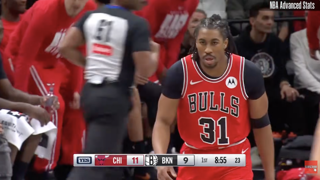
The Chicago Bulls have waived guard Jaden Ivey following his comments about Pride Month, which he described as "unrighteousness." Ivey's dismissal has sparked a significant debate over the NBA's treatment of players accused of serious crimes compared to those expressing religious beliefs. This situation has raised questions about the league's disciplinary standards and the implications for player rights.
Explainer Christianity and Sports: Navigating Faith in Public Life
The core issue centers on perceived inconsistencies in the NBA's disciplinary actions, particularly regarding players involved in violent crimes versus those who express dissenting views on social issues. Critics argue that the league appears to prioritize adherence to specific social norms over addressing serious misconduct. This perception has led to growing frustration among fans and commentators who believe that the NBA's actions reflect a bias against certain viewpoints.
Ivey's comments, made in a social media post, questioned the public celebration of Pride Month and suggested that he should be allowed to express his beliefs freely. "So, how is it that one can’t speak righteousness?" he asked, highlighting his concerns about the suppression of religious expression. In response to his comments, the Bulls stated that Ivey was waived due to "conduct detrimental to the team," a claim he disputes. Ivey asserts that he was a dedicated player who contributed positively to the team and that his dismissal was unjust.
Disciplinary Discrepancies
The NBA has faced scrutiny for its handling of players involved in serious allegations. For instance, Charlotte Hornets forward Miles Bridges was arrested in 2022 for allegedly assaulting his girlfriend. Despite the severity of the allegations, he received a 30-game suspension after pleading no contest to a felony charge. In another case, Jaxson Hayes of the Los Angeles Lakers faced domestic violence charges in 2021 but did not receive any league suspension, raising further concerns about the consistency of the league's disciplinary measures.
In a more recent case, Kevin Porter Jr. was suspended for four games after a violent incident in September 2023 that left his girlfriend with severe injuries. However, the NBA ruled that he had already served his suspension during a season spent away from the league, which has raised questions about the effectiveness and fairness of the league's disciplinary actions. Critics argue that such leniency for serious offenses contrasts sharply with the swift action taken against Ivey for his comments.
Ivey's Response
Ivey has publicly challenged the Bulls' rationale for his release, questioning how his expression of faith could be deemed detrimental. "Because I believe in the truth? Because I know Jesus is the way, the truth, and the life?" he stated, emphasizing his commitment to his beliefs despite the backlash he has faced. His comments reflect a broader sentiment among some players and fans who feel that the NBA is not accommodating of conservative viewpoints, particularly those related to religious beliefs.
Supporters of Ivey argue that the NBA's actions reflect a troubling trend of intolerance toward conservative viewpoints, especially regarding religious beliefs. They contend that the league's focus on social issues should not come at the expense of players' rights to express their faith freely. This situation has sparked discussions about the balance between promoting social justice and respecting individual beliefs within the league.
League's Stance
The NBA has not issued a formal response to the criticism surrounding Ivey's waiver or the perceived double standards in its disciplinary actions. League officials have previously emphasized their commitment to diversity and inclusion, but the lack of clarity on how these principles apply to player conduct remains a contentious topic. The absence of a clear framework for addressing such issues has left many players and fans questioning the league's commitment to fairness.
As the debate continues, Ivey's situation highlights the challenges faced by professional athletes navigating the intersection of personal beliefs and public expectations. The NBA's handling of such matters may influence its reputation and relationship with players and fans alike. The contrasting treatment of Ivey and players involved in serious criminal allegations raises important questions about the standards of conduct within the league and the implications for player rights and expression. The ongoing discourse surrounding this issue will likely shape the future of player conduct policies and the league's approach to balancing social advocacy with individual rights.