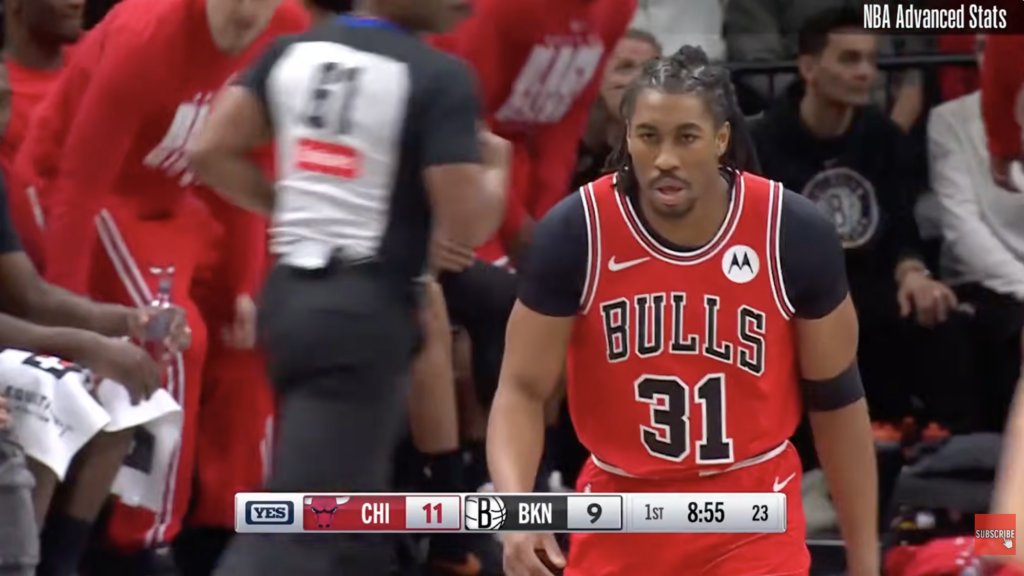
NBA guard Jaden Ivey was waived by the Chicago Bulls on Monday after he expressed his Christian beliefs regarding sexual immorality and Pride Month. His comments, made during a series of Instagram livestreams, have drawn both support and criticism from various segments of the sports community. The core tension lies in the clash between Ivey's deeply held religious convictions and the NBA's promotion of Pride Month, raising significant questions about free speech and the potential consequences of expressing personal beliefs in the realm of professional sports. Ivey's situation highlights the ongoing debate over the intersection of faith and public life, particularly in environments that actively promote inclusivity.
Explainer Christianity and Sports: Navigating Faith in Public Life
Ivey's comments came after he was sidelined for the remainder of the season due to knee pain. In his livestreams, he stated, "They proclaim Pride Month. And the NBA, they proclaim it. They show it to the world. They say, ‘Come join us for Pride Month, to celebrate unrighteousness.’" Following the announcement of his waiver, the Bulls cited "conduct detrimental to the team" as the reason for his release. This phrase has been a common justification in professional sports for various disciplinary actions, but Ivey's case has drawn particular attention due to the context of his comments.
In a subsequent livestream, Ivey challenged the team's rationale for his waiver, asserting, "They’re lying saying my conduct is detrimental to the team. That’s a lie. Ask any one of them coaches in there, ‘Was I a good teammate?’ All I’m preaching about is Jesus Christ and they waived me.” This statement underscores his belief that his faith and the expression of it were mischaracterized as detrimental to team dynamics.
Support from Fellow Athletes
Since Ivey's waiver, several professional athletes have publicly supported him, emphasizing their shared Christian beliefs. New England Patriots running back TreVeyon Henderson referenced a Bible verse, stating, "Blessed are those who are persecuted for righteousness’ sake, For theirs is the kingdom of heaven." This quote reflects a common sentiment among many who feel that standing up for one's beliefs can lead to personal sacrifice.
Miami Dolphins player Blake Ferguson echoed this sentiment by quoting John 15, which speaks to the challenges faced by those who follow Christ. He wrote, "If the world hates you, know that it has hated me before it hated you." This biblical reference highlights the struggles that can accompany faith-based convictions, particularly in a public sphere.
Other athletes, including Jake LaRavia of the Los Angeles Lakers and Azareye’h Thomas from the New York Jets, also expressed solidarity with Ivey. LaRavia quoted Jesus’ words from John 14, reinforcing the idea of maintaining faith amidst adversity. Thomas noted that living for Christ may not align with societal norms but is ultimately fulfilling a higher calling, which resonates with many who prioritize their spiritual beliefs over societal acceptance.
Broader Implications
The incident has sparked discussions about the implications of Ivey's comments on the broader culture within professional sports. Critics argue that the NBA's promotion of LGBTQ+ pride events is at odds with traditional Christian values, while supporters of the league emphasize the importance of inclusivity and acceptance. This dichotomy illustrates the challenges faced by athletes who navigate their personal beliefs in a professional environment that may not always align with those beliefs.
While Ivey's supporters have rallied around him, the Bulls and the NBA have not publicly addressed the backlash or provided further clarification on the decision to waive him. This lack of response has led to speculation about the potential impact on players who wish to express their beliefs in the future, raising concerns about the environment for free speech within the league.
The situation raises important questions about the balance between personal beliefs and professional responsibilities, particularly in a league that actively promotes diversity and inclusion. As the conversation continues, it remains to be seen how this incident will influence the relationship between athletes and their organizations regarding free speech and religious expression. The ongoing dialogue highlights the complexities of navigating personal beliefs in a public and professional arena, and how such situations can shape the future of athlete expression in sports.