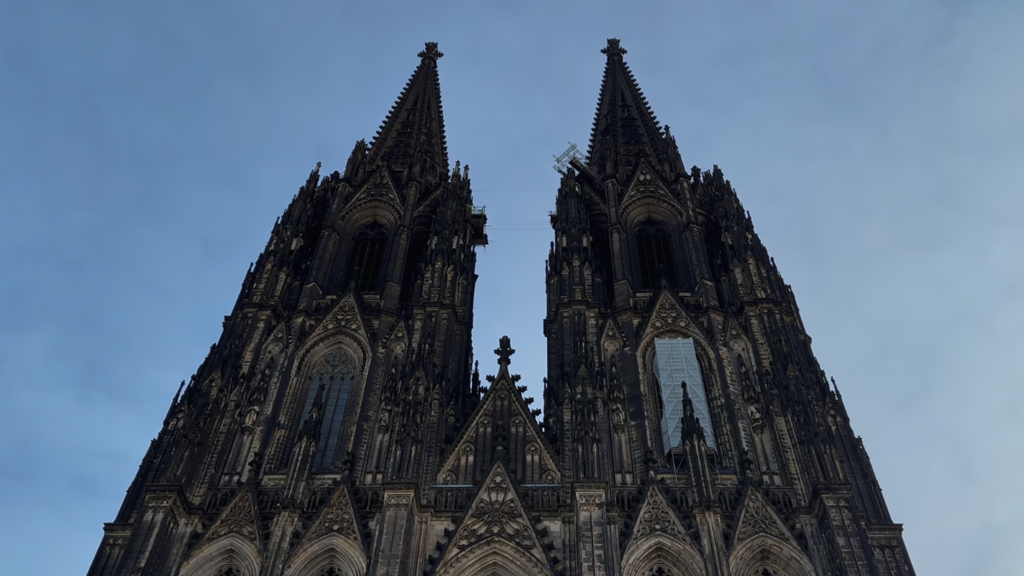
The call for Christians to build cathedrals has sparked debate, particularly in light of criticisms from figures such as Joyce Carol Oates. Oates recently expressed her discontent with the Cologne Cathedral, which took over 600 years to complete and was once the tallest building in the world. She questioned the relevance of such architecture to modern Christianity, suggesting it strays from the simplicity of Christ's teachings. Oates stated, 'whatever such architecture meant at that time... can only be speculated by us today.' She implied that the grandeur of such structures is at odds with the humility of Jesus' message.
Explainer Christianity and Sports: Navigating Faith in Public Life
However, proponents argue that cathedrals serve as vital monuments to Jesus Christ, embodying the faith's grandeur and complexity. The biblical portrayal of Jesus is not merely that of a humble teacher but includes elements of divine authority and moral urgency. As articulated in previous discussions, the Jesus of the Gospels is a figure who warns of judgment and calls for a deep commitment to faith. This perspective suggests that cathedrals are not just memorials but are significant expressions of worship and reverence.
While it is true that not all congregations can afford to build grand cathedrals, the argument remains that when possible, churches should strive for beauty in their architecture. This beauty is not only for the congregation but also serves as a gift to the wider community. A magnificent cathedral can enhance the aesthetic landscape of a city, providing a sense of beauty and transcendence to all, especially those who may lack such experiences in their daily lives.
The pursuit of beauty in worship spaces is not without its challenges. Historical instances, such as the fundraising controversies surrounding St. Peter's Basilica, highlight the potential for mixed motives in commissioning grand religious art and architecture. Nonetheless, the pursuit of beauty should not be abandoned due to human fallibility. Churches are encouraged to create spaces that inspire awe and reverence, contributing positively to the spiritual needs of their communities.
Moreover, cathedrals can serve as enduring symbols of faith, reminding future generations of the commitment to worship. The act of building such structures often reflects a long-term vision, acknowledging that the work may extend beyond the lives of those who initiate it. This commitment to permanence is crucial in an era where faith can be tested, and the physical presence of a cathedral can stand as a testament to enduring belief.
In conclusion, the argument for building cathedrals is rooted in the belief that such structures honor God through the best of human creativity and effort. Jesus is portrayed not only as a humble servant but also as the King of Kings, deserving of the highest forms of praise and honor. Thus, the call to build cathedrals is seen as a rightful expression of faith and devotion, reinforcing the idea that beauty in worship is both a spiritual necessity and a communal gift.