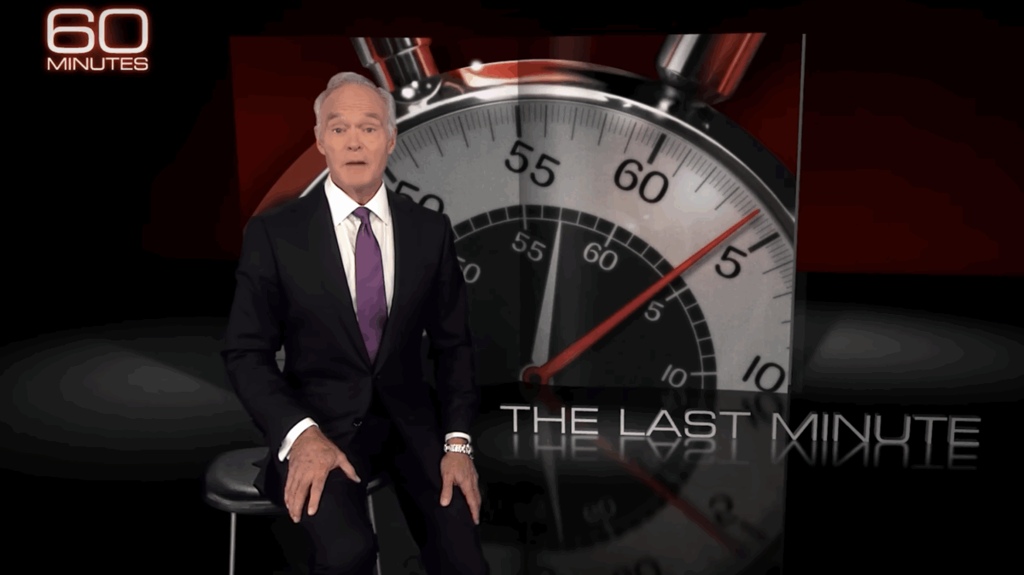
Scott Pelley, the anchor of CBS News’ 60 Minutes, has recently voiced his concerns regarding the significant challenges journalists face in securing interviews. He attributes these difficulties to a pervasive climate of fear that has been fostered by corporate interests and the Trump administration. During a speech at the Walter Cronkite Awards, Pelley remarked, "We are all experiencing trouble getting people to appear on our broadcast because of the fear that has spread across the country." This statement underscores a growing tension between media organizations and political figures, particularly as CBS finds itself under scrutiny over its journalistic practices.
Critics of CBS argue that the network's credibility has been severely undermined by a history of biased reporting and deceptive editing. They claim that such practices have alienated potential interview subjects, making it increasingly difficult for journalists to conduct interviews. This situation raises questions about the integrity of the news being reported and the motivations behind it.
Background on CBS News' Challenges
Pelley’s comments come in the wake of significant changes at CBS News, including the resignation of executive producer Bill Owens in April. Owens cited concerns over journalistic independence as a primary reason for his departure. Following Owens, CBS News CEO Wendy McMahon also exited the network, though she left vague reasons for her resignation. Reports suggest that her departure was linked to increasing political pressure from the Trump administration, particularly regarding a controversial interview with Democratic presidential candidate Kamala Harris.
In that interview, CBS faced backlash for editing Harris’s responses in a manner that critics labeled misleading. This incident led to a Federal Communications Commission investigation and a settlement that some observers have described as the "biggest scandal in broadcast history." Critics argue that the network’s editing practices have contributed to a perception of bias, which may deter potential guests from appearing on the program in the future.
Pelley’s Defense and Criticism
In defense of the program, Pelley asserted the integrity of 60 Minutes, emphasizing that despite these challenges, the program continues to deliver important stories to the public. He highlighted the commitment of the show to uphold journalistic standards, stating, "we are still on the air telling the public these stories, no matter how difficult it is for us to do the job in the way that we would like to do it." This statement reflects a determination to maintain the program's reputation for quality journalism.
However, critics contend that the network’s issues extend beyond external pressures. They point to a pattern of partisan reporting and a history of controversial editorial decisions that have raised questions about the objectivity of CBS News. For instance, the network has been accused of favoring Democratic narratives while undermining Republican figures, particularly during the Trump administration. This perceived bias has led to further skepticism among viewers and potential interview subjects alike.
Broader Implications for Media
The challenges facing CBS News are indicative of broader issues within the media landscape, where trust in news organizations has been on the decline. Many Americans express skepticism about the motivations behind news coverage, particularly when it comes to political reporting. This skepticism can be attributed to a variety of factors, including perceived biases and the influence of corporate interests.
Supporters of CBS News have not publicly responded to the criticisms raised by Pelley and others. Some media analysts suggest that the network’s struggles are emblematic of a larger crisis in journalism, where the lines between reporting and advocacy have become increasingly blurred. As CBS News navigates these challenges, the future of its credibility remains uncertain. The ongoing debate about media bias and the role of corporate interests in journalism continues to shape public perception and trust in news organizations, leaving many to wonder how these dynamics will evolve in the coming years.