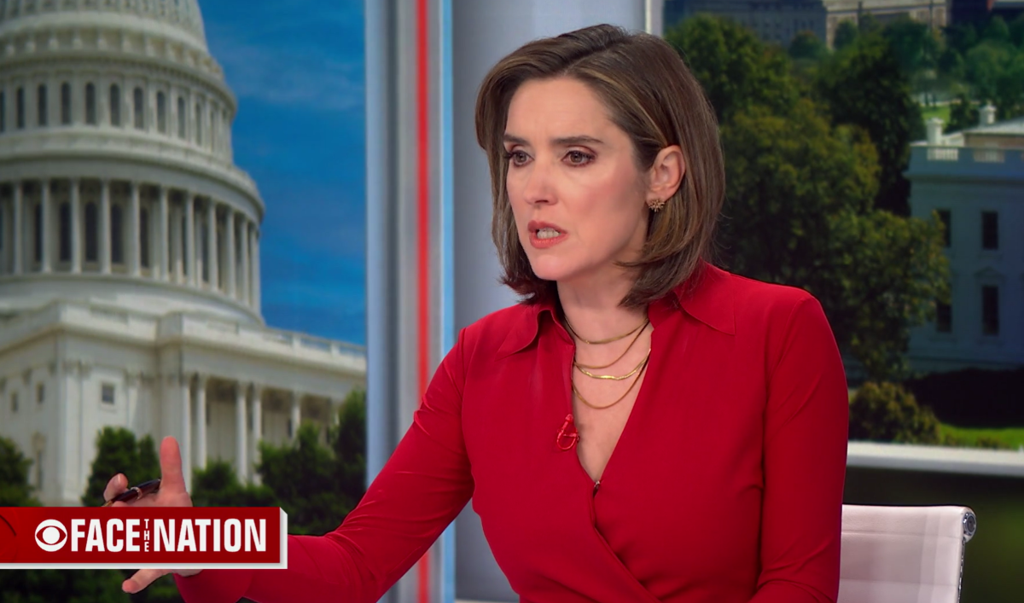
During a recent episode of CBS's Face the Nation, host Margaret Brennan questioned the characterization of Antifa as a domestic terrorist organization following a series of sniper shootings attributed to the group. In her interview with Senator Rand Paul (R-Ky.), Brennan suggested that Antifa might be more of an ideology than an organized group, referencing past statements from the FBI.
Explainer Free Speech Battles: Courts, Censorship, and Cultural Conflicts
Brennan asked Paul, "Have you seen evidence that these left-wing activists are now becoming a more organized group with national leadership, something the FBI has said in the past that they’re really more of an ideology?" (Whitehouse) This line of questioning has drawn criticism from some who argue it downplays the threat posed by Antifa.
In response to Brennan's inquiries, Paul affirmed the need to address the actions of Antifa but did not provide specific evidence of their organization. The discussion comes in the wake of President Donald Trump's designation of Antifa as a domestic terrorist organization, a move that has sparked debate over civil liberties and law enforcement practices.
Critics of Brennan's approach argue that her questions reflect a bias against the Trump administration's stance on Antifa. They contend that the designation is necessary to combat violence associated with the group. Supporters of Brennan's perspective, however, suggest that labeling Antifa as a terrorist organization could lead to potential violations of Fourth Amendment rights.
Brennan also raised concerns about the implications of Trump's actions, asking Paul, "Do you think it is appropriate and legal for the executive to carry out the kind of mass firings that the budget director laid out in that memo this past week?" (Whitehouse) This question was in reference to potential government shutdowns and the administration's plans to address federal workforce reductions.
The episode also covered broader political tensions, including the impending government shutdown deadline of October 1. Brennan highlighted the stalemate between Democrats and Republicans over funding issues, particularly regarding health care subsidies and immigration policies.
In a related segment, Brennan discussed the implications of Trump's recent comments regarding potential prosecutions of political opponents, including former FBI Director James Comey. She noted that Trump has indicated he may pursue legal action against those who have criticized him, raising alarms among Democrats who view this as a form of political retribution.
As the political landscape continues to evolve, the debate over Antifa's designation and the administration's approach to law enforcement remains a contentious issue. The discussions on Face the Nation reflect the broader national discourse on how to balance security concerns with civil liberties in an increasingly polarized environment.