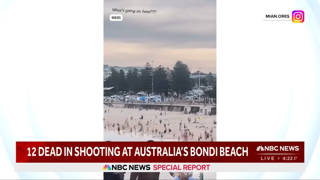
At least 15 people were killed during a Hanukkah celebration at Bondi Beach in Australia on Sunday when two alleged terrorists opened fire. The suspects, identified as Sajid Akram and his son Naveed Akram, reportedly had ties to radical Islamist ideologies, raising significant questions about the effectiveness of current security measures in addressing such threats. This tragic incident has sparked a renewed debate about the balance between gun control and the urgent need to confront radicalization within immigrant communities.
Shooting at Bondi Beach Kills 15, Raises Concerns Over Radicalization
The attack has intensified discussions surrounding the complexities of addressing extremism. Critics argue that focusing solely on gun laws detracts from the underlying issues of radicalization and violence that can emerge from certain ideological beliefs. This perspective emphasizes the importance of understanding the motivations behind such acts rather than merely regulating firearms.
Background and Reactions
Sajid Akram, who moved to Australia in 1998 on a student visa, eventually became a permanent resident. His son, Naveed Akram, was born in Australia. Authorities had previously investigated Naveed for potential connections to terrorism but concluded there was no ongoing threat from him. This raises critical concerns about the challenges faced by law enforcement in monitoring individuals who may pose a risk to public safety. The failure to identify and mitigate these risks has led to calls for a reevaluation of current monitoring practices.
Prime Minister Anthony Albanese described the attackers' antisemitic ideology as an "extreme perversion of Islam." However, he did not provide an official motive for the attack, which has left many questions unanswered. In the aftermath of the shooting, Albanese proposed tougher gun laws and expressed concerns about the rise of right-wing extremist groups. His comments suggest a legislative focus that may overlook the deeper issues of radicalization that could have contributed to the violence.
"Just want to share with my American friends how the Australians respond to a shooting tragedy. Action, rather than thoughts and prayers," tweeted University of Michigan economics professor Justin Wolfers. This sentiment reflects a common view among some commentators who advocate for immediate action in response to such tragedies. However, critics argue that no amount of gun regulation would have prevented this attack, especially considering the presence of improvised explosive devices found in the suspects' vehicle.
Authorities reported that the suspects had planned to use these explosives to inflict further damage, indicating that their intent was not solely reliant on firearms. This incident is not isolated; similar attacks have occurred globally, including a recent incident in Colorado where a suspected radical Islamist used Molotov cocktails against demonstrators. Such incidents highlight the multifaceted nature of the threat posed by radicalization, which cannot be addressed by gun control alone.
The situation in Europe mirrors these concerns, as Paris recently canceled its New Year’s Eve concert due to security threats. Officials cited a "very high terror threat" from groups like ISIS and al-Qaeda. France's interior minister warned of the dangers posed by open-door immigration policies, which critics argue contribute to rising extremism. This context underscores the need for a comprehensive approach to security that includes both effective immigration policies and counter-radicalization strategies.
Despite Australia's strict gun laws, the focus on weapon regulation rather than addressing the radicalization of individuals has drawn criticism from various experts. Some suggest that failing to confront the ideological roots of such violence may lead to more attacks rather than fewer. If the response to this tragedy is to further restrict the rights of lawful citizens while ignoring the ideological threats, experts warn that Australia may face an increase in violence rather than a decrease. The challenge remains for leaders to balance security measures with the need for effective counter-radicalization strategies that address the root causes of extremism. This balance is crucial in ensuring the safety of all citizens while respecting their rights and freedoms.