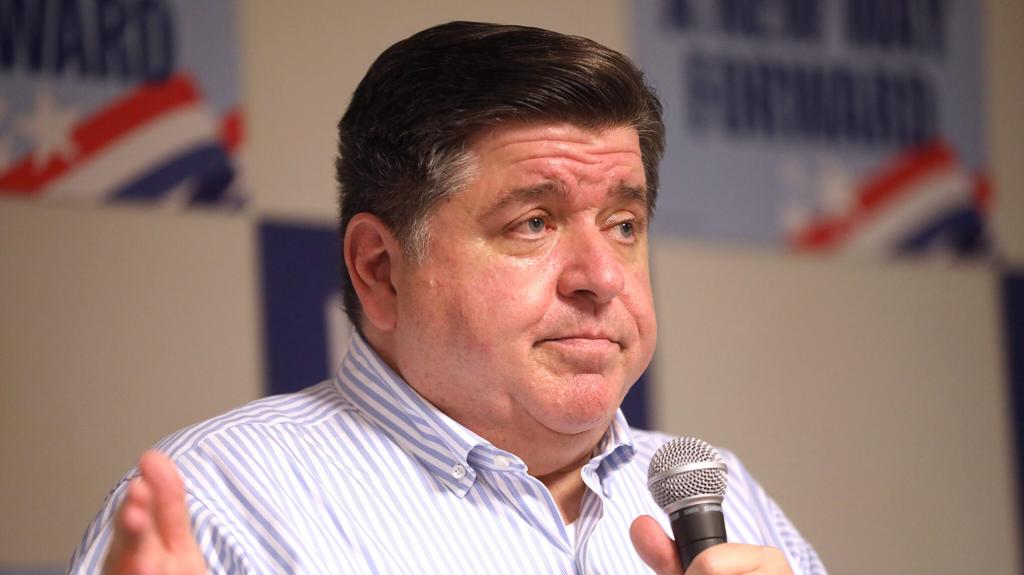
Illinois Governor J.B. Pritzker has not confirmed whether he will comply with a federal Immigration and Customs Enforcement (ICE) detainer request for Jose Medina-Medina, a man accused of murdering an 18-year-old Loyola University student. Medina-Medina allegedly shot Sheridan Gorman in the head while she was walking in a park early Thursday morning.
Explainer Public Safety and Crime Trends in America: Understanding the Landscape
The situation raises significant questions about the intersection of local sanctuary policies and federal immigration enforcement. Critics argue that Pritzker's potential refusal to honor the detainer could hinder accountability in violent crime cases involving unauthorized immigrants.
Sheridan Gorman was reportedly out to view the Northern Lights when she was approached by Medina-Medina, who allegedly shot her as she attempted to flee. Gorman was pronounced dead at the scene, according to local reports and the Department of Homeland Security (DHS).
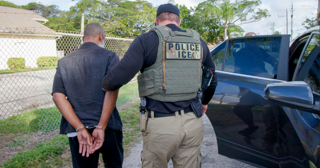
ICE has lodged an arrest detainer for Medina-Medina, urging local authorities not to release him. However, Pritzker's office has not provided a clear answer regarding whether the governor will honor this request. A spokesperson for Pritzker expressed condolences to Gorman's family and the Loyola community, stating, "Violent crime has no place in our streets, and we expect the alleged perpetrator to be held accountable to the fullest extent of the law."
The spokesperson also criticized the Trump administration for politicizing the tragedy, suggesting that federal funds should be reinstated to support public safety efforts.
Sanctuary Policies and Legal Framework
Chicago's sanctuary policies limit cooperation between local law enforcement and federal immigration authorities. Under the city's Welcoming City Ordinance, local officials are prohibited from voluntarily sharing information about an individual's immigration status with federal agents. Additionally, the state of Illinois has enacted the TRUST Act, which prohibits law enforcement agencies from detaining individuals solely based on immigration detainers or civil immigration warrants.
Medina-Medina faces multiple charges, including first-degree murder, attempted first-degree murder, aggravated assault, and unlawful possession of a firearm. He had previously been arrested for shoplifting in Chicago but was released from custody, according to DHS.
Community Reactions and Implications
The case has sparked a debate over the implications of sanctuary policies on public safety. Critics argue that these policies may allow dangerous individuals to evade federal immigration enforcement, potentially leading to tragic outcomes like Gorman's death. Supporters of sanctuary policies contend that they are essential for building trust within immigrant communities and ensuring that individuals feel safe reporting crimes without fear of deportation.
As of now, Pritzker has not addressed the specific concerns raised by critics regarding the potential consequences of not honoring the ICE detainer. The lack of clarity from the governor's office has left many in the community questioning how such policies affect public safety and accountability in violent crime cases.
The outcome of this case could have broader implications for the ongoing debate over immigration enforcement and local sanctuary policies in Illinois and beyond. Advocates on both sides of the issue are closely monitoring the situation as it unfolds, highlighting the tension between federal immigration enforcement and local governance.
In summary, the refusal to clarify the governor's stance on the ICE detainer request for Medina-Medina underscores the complexities of immigration policy and public safety in Illinois. As the investigation continues, the community remains in mourning for Sheridan Gorman, while the legal and political ramifications of this case are likely to resonate for some time.