Texas Comptroller-elect Sarah Eckhardt has pledged to ensure that Islamic and other religious schools remain eligible for state-funded school vouchers under the Texas Education Freedom Accounts (TEFA) program, even as debate intensifies over the participation of such schools and the use of public funds for private education.
Explainer Understanding Midterm Elections: Voter Trends, Security, and GOP Strategy
The move comes amid heightened scrutiny of the affiliations, curricula, and funding sources of private religious schools in Texas. State officials, advocacy groups, and parents continue to debate whether taxpayer dollars should be used to support private institutions, particularly those with religious missions or international connections.
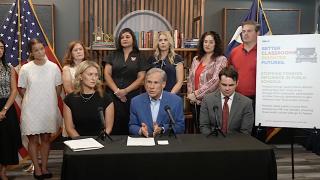
Eckhardt, a Democrat who will assume office in January, addressed the issue at a press conference on November 4. She stated that, despite her personal opposition to the voucher program, she would implement the law as enacted by the Texas Legislature. The TEFA program, created through Senate Bill 2, allocates $10,474 annually for each private school student, up to $30,000 for eligible students with disabilities, and $2,000 for homeschoolers. The Texas Comptroller of Public Accounts is responsible for administering the program and determining school eligibility.
Eligibility and Recent Legal Actions
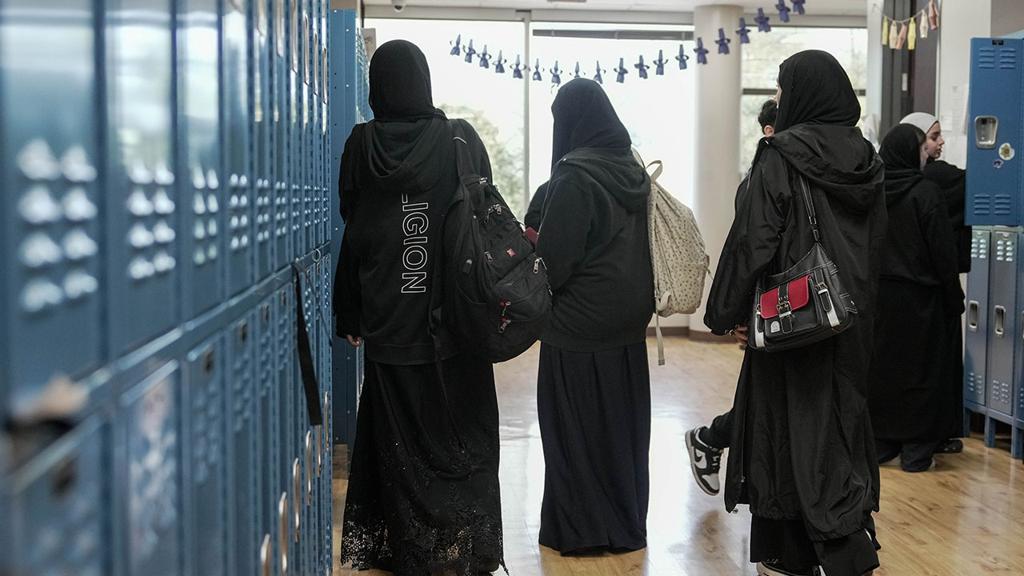
While Islamic schools are not explicitly excluded from the TEFA program, several faced delays in approval from the Comptroller’s Office after the program’s launch. These delays prompted lawsuits from some schools and Muslim parents, who alleged religious discrimination in the application process. In March, a federal judge ordered the state to allow Islamic schools to apply for the program, resulting in the admission of four institutions: Excellence Academy in McKinney, Bayaan Academy, Brighter Horizons Academy in Garland, and Houston Quran Academy in Katy.
State officials, including Governor Greg Abbott, defended the initial delays, citing concerns about accreditation standards and regulatory compliance. The controversy was further complicated in November of the previous year, when Abbott designated the Council on American-Islamic Relations as a Foreign Terrorist Organization under Texas law. This move raised additional questions about the affiliations of some Islamic schools and their eligibility for state funding.
Ongoing Concerns Over Curriculum and Funding
Critics of the voucher program have voiced concerns about the curriculum and funding sources of certain Islamic schools now participating in TEFA. Amy Mek, founder of the RAIR Foundation USA, has argued that the program is being misused, specifically highlighting Brighter Horizons Academy. The school identifies itself as “a model Islamic educational institution” with a mission to “develop practicing Muslim leaders.”
A March report from the Foundation for Defense of Democracies alleged that Brighter Horizons Academy received nearly $1 million from the Islamic Development Bank, an institution in which Iran holds a 7% voting share. The report also claimed that the bank’s members have been linked to corruption and support for organizations under U.S. sanctions.
In a separate analysis, Sam Westrop of the Middle East Forum reported that Brighter Horizons Academy was established and staffed by individuals with connections to organizations linked to Hamas. The report named Rasmi Almallah as the school’s founder and noted his previous service on the board of the Holy Land Foundation, which was involved in a high-profile terrorism-financing case. Almallah was listed as an unindicted co-conspirator in that case.
Questions have also been raised about the curriculum used at Brighter Horizons Academy. According to the Middle East Forum, the school is a subsidiary of the Islamic Services Foundation, which publishes and distributes Islamic textbooks to private schools across the country. Critics argue that the content of these textbooks and the school’s mission warrant closer oversight, especially when public funds are involved.
Eckhardt’s Position and Next Steps
Eckhardt has made clear that she will not block eligible Islamic schools from receiving vouchers, emphasizing her duty to enforce the law as it stands.
"I am not a fan of this policy. However, it is a policy that has passed the Texas Legislature, and it is the law. So, as the comptroller, I will implement it, because it is the law."
— Sarah Eckhardt, Texas Comptroller-elect
Eckhardt did not respond to requests for further comment on the issue. As additional schools seek approval to participate in the TEFA program, scrutiny over their eligibility, curriculum, and funding is expected to persist. Supporters of the voucher program maintain that all schools meeting state requirements should be treated equally, regardless of religious affiliation. Meanwhile, critics continue to call for greater oversight and transparency, expressing concern about the use of public funds for private education and the potential for taxpayer dollars to support schools with controversial affiliations or curricula.