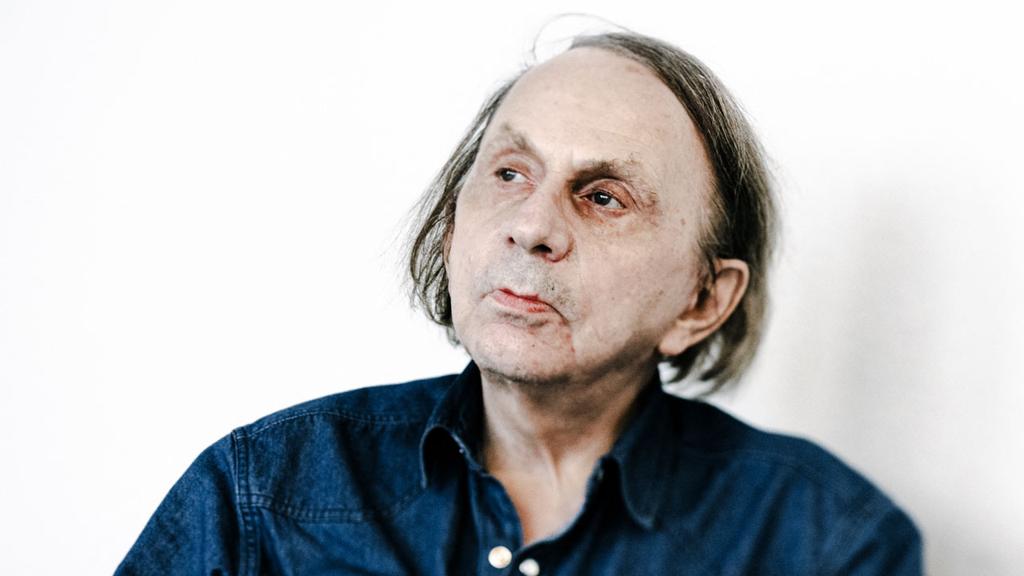
French authorities have placed prominent novelist Michel Houellebecq under formal investigation on suspicion of inciting discrimination, hatred, or violence. The investigation follows comments he made about Muslims in a 2022 interview with the magazine Front Populaire. The case has reignited debate in France over the boundaries of free speech, particularly as the nation faces ongoing unrest and contentious discussions about immigration, secularism, and national identity.
Explainer Free Speech Battles: Navigating Rights and Censorship in Modern Society
Houellebecq’s legal troubles come at a time of heightened tension in France. The country has recently experienced weeks of violent protests and riots, with widespread reports of property destruction and attacks on cultural landmarks. These events have fueled a broader debate about the government’s response to social unrest and the role of public figures in shaping discourse on sensitive topics. Some critics argue that authorities are focusing on prosecuting writers and critics of Islam, rather than addressing the root causes of the violence and the actions of rioters.
Details of the Investigation
The investigation was triggered by a legal complaint filed by the Union of Mosques of France and the Movement Against Racism and for Friendship Between Peoples. The complaint targeted both Houellebecq and the magazine that published his remarks. In the 2022 interview, Houellebecq stated, “Most French people are not demanding that French Muslims assimilate. They just want them to stop raping, robbing and destroying things. Or, failing that, to leave our country.”
According to Agence France-Presse, Houellebecq was formally placed under investigation on November 10. The legal action also names the interviewer and the director of Front Populaire as defendants. The advocacy groups allege that Houellebecq’s published opinions amount to incitement of violence and discrimination against Muslims in France.
Role of Advocacy Groups
The Union of Mosques of France, one of the organizations behind the complaint, has been described as having close ties to the Muslim Brotherhood. The Muslim Brotherhood is an organization founded in Egypt and designated as a terrorist group by some governments, according to a U.S. Treasury Department statement. The Movement Against Racism and for Friendship Between Peoples, a left-leaning anti-racist NGO, also joined the legal action.
French anthropologist Florence Bergeaud-Blackler, speaking at a Heritage Foundation event, argued that the Muslim Brotherhood has pursued a long-term strategy to influence Western societies through lawful and multisector action. She suggested that prosecutions like Houellebecq’s reflect the success of such efforts to shape public debate and legal standards in France.
Free Speech and Public Response
The investigation has drawn criticism from across the French political spectrum and from international observers. Writer Thomas Chatterton Williams, in an article for The Atlantic, described the police investigation as a “horrible mistake” and warned of an “assault on free speech” in France. He argued that such legal actions risk creating an environment in which only extremists feel able to speak openly about sensitive issues.
"France is creating conditions in which only outright extremists will dare say what many privately believe to be true."
— Thomas Chatterton Williams, writer
Supporters of the legal action contend that Houellebecq’s comments cross the line into hate speech and incitement, which are prohibited under French law. They argue that holding public figures accountable for such statements is essential to protecting vulnerable communities and maintaining social cohesion. Critics, however, see the prosecution as an attack on free expression and a distraction from addressing the underlying causes of violence and unrest in French cities. French officials and the advocacy groups involved have not publicly responded to criticism of the investigation.
Broader Context and Previous Incidents
Michel Houellebecq is no stranger to controversy. He is widely known for his 2015 novel Submission, which imagines a future France governed by an Islamist party. The book was published just after the deadly Charlie Hebdo attack in Paris, an event that forced Houellebecq into hiding due to threats against his safety. Throughout his career, Houellebecq has been a vocal critic of mass immigration and the perceived influence of Islam in French society.
The current investigation comes amid ongoing debates about secularism, the integration of Muslim communities, and the future of French national identity. France’s hate speech laws, which are among the strictest in Europe, are designed to balance freedom of expression with protections against incitement and discrimination. However, the decision to pursue legal action against a prominent writer has intensified scrutiny of how these laws are applied and whether they risk stifling legitimate debate.
As France continues to grapple with social divisions and public unrest, the Houellebecq case underscores the challenges of maintaining both public order and robust free speech protections. The outcome of the investigation may have significant implications for writers, journalists, and public figures navigating the complex landscape of French law and society.