Federal prosecutors in Los Angeles have charged a man with multiple felonies related to dog fighting, marking a significant step in addressing a long-standing animal abuse crisis in the city. This case is part of a broader initiative by the U.S. attorney’s office, which has recently established an animal abuse task force aimed at enforcing the federal Preventing Animal Cruelty and Torture (PACT) Act. This act represents a commitment to combat animal cruelty at a federal level, reflecting the seriousness of the issue.
Explainer Election Integrity and Voter Access in California: A Complex Landscape
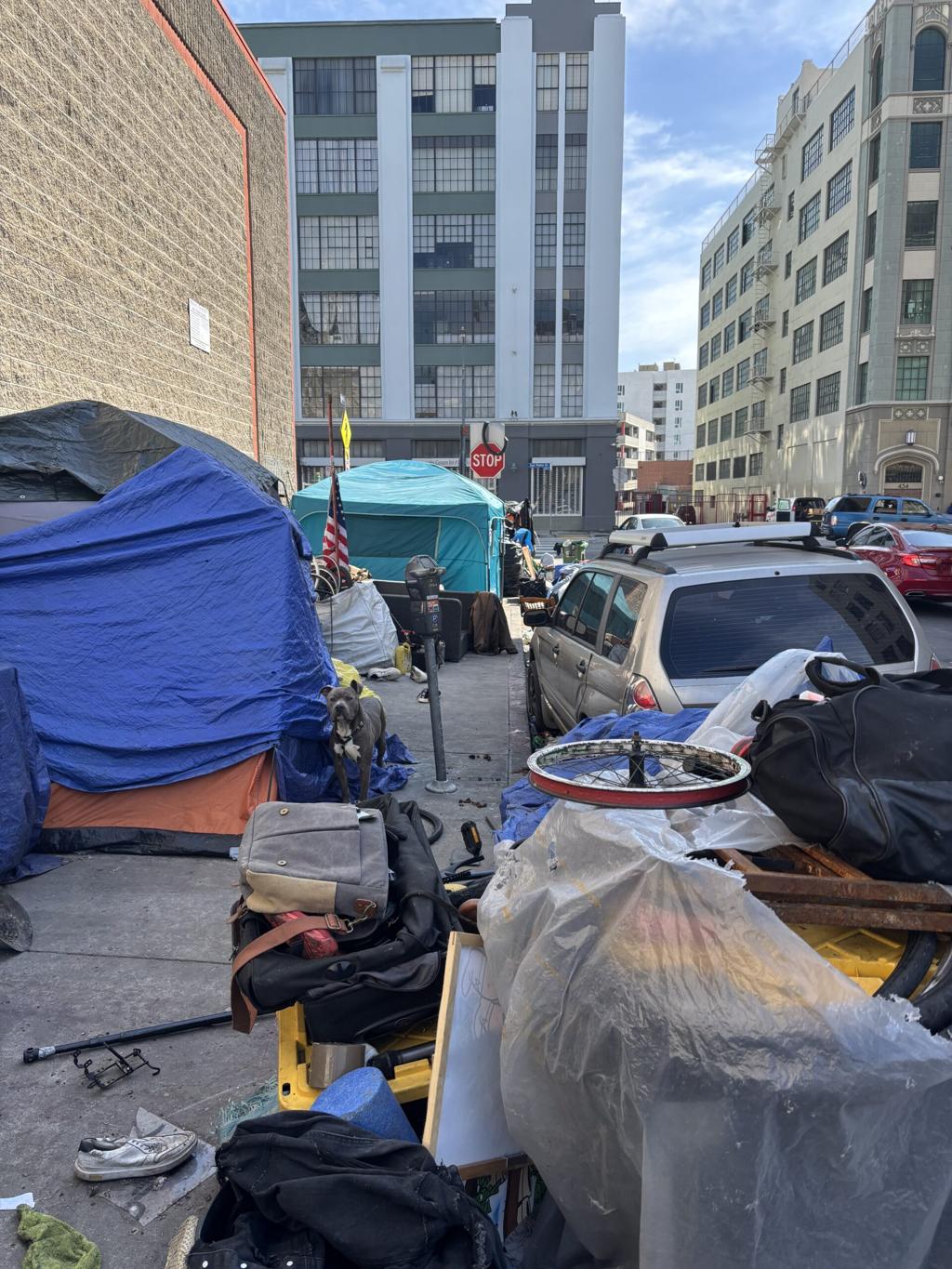
The situation underscores a growing concern about local governance in Los Angeles, where critics argue that city officials have failed to adequately address pressing issues of public safety and animal welfare. Activist Joey Tuccio has documented severe cases of animal neglect in areas like Skid Row, where he claims that local authorities have been unresponsive to numerous reports of abuse.
"Los Angeles has animal control officers, and they sometimes drop in on Skid Row. Then they shrug and leave," Tuccio stated, emphasizing the lack of action from local officials. He has shared numerous videos showing dogs in dire conditions, including those with untreated injuries and inadequate care, which he believes highlight the urgent need for intervention.
Federal Response to Local Failures
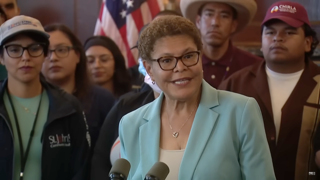
In a recent operation, federal agents arrested a 53-year-old man in Hacienda Heights, where they discovered emaciated dogs and equipment associated with dog fighting. The FBI’s Los Angeles office confirmed its involvement in the case, highlighting the federal government’s role in addressing issues that critics say should be managed at the local level. This intervention raises questions about the effectiveness of local governance in Los Angeles, particularly under the administration of Mayor Karen Bass and Governor Gavin Newsom.
"This is great news, and it’s also completely insane. It means that someone is finally bothering to address an obvious, serious, and long-neglected problem," Tuccio remarked. He pointed out that the federal government is stepping in to handle what he believes are failures of local governance, indicating a troubling trend where federal authorities must intervene in matters traditionally managed by state and local governments.
Broader Implications for Governance
Critics argue that the failures in addressing animal abuse are symptomatic of larger governance issues in blue states, where they claim local officials prioritize other agendas over basic public safety and welfare. Tuccio has pointed to the neglect of areas like MacArthur Park, which has become an open-air drug market, as further evidence of local government shortcomings. This neglect not only affects the community's safety but also the welfare of animals that suffer as a result.
"Animals shouldn’t be abused in Los Angeles, and the FBI very much shouldn’t be the agency that prevents it. But here we are," Tuccio said, expressing frustration over the situation. He believes that the lack of local action creates a vacuum that invites federal intervention, suggesting a need for a reevaluation of local priorities and responsibilities.
Supporters of the current administration have not publicly addressed these criticisms, and it remains unclear how local leaders plan to respond to the growing concerns about public safety and animal welfare. The silence from local officials may contribute to a perception of ineffectiveness, further complicating the relationship between local governance and federal oversight.
The Path Forward
As federal authorities continue to take action against animal abuse, the situation raises important questions about the role of local governance in addressing community issues. The reliance on federal intervention for problems like animal neglect and public safety may signal a shift in how local governments are perceived and their effectiveness in managing essential services. This shift could have long-term implications for governance in California and beyond.
The ongoing crisis in Los Angeles serves as a reminder of the responsibilities that local officials hold in maintaining public order and welfare. Without effective local governance, the demand for federal oversight in areas like animal welfare may continue to grow, potentially reshaping the landscape of governance in California. It is crucial for local leaders to take proactive measures to address these issues, ensuring that both public safety and animal welfare are prioritized in their agendas.