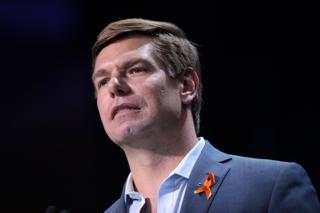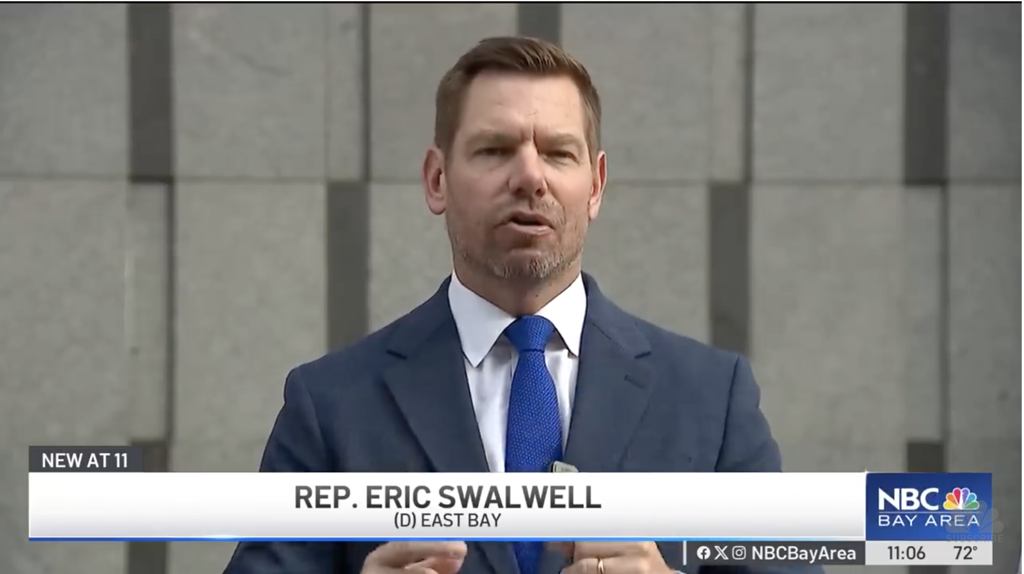
Rep. Eric Swalwell, D-Calif., is facing multiple allegations of sexual harassment from former interns and staffers, raising concerns about his conduct as he campaigns for governor of California. The accusations include claims that Swalwell engaged in inappropriate relationships with young women in his office and pressured them to sign non-disclosure agreements to keep the allegations quiet.
Explainer Election Integrity and Voter Access in California: A Complex Landscape
The allegations come at a critical time for Swalwell, who is currently leading a crowded field of candidates in the race to replace Governor Gavin Newsom. Critics argue that these claims could significantly impact his political future and the integrity of his campaign.
Cheyenne Hunt, a former congressional candidate and executive director of the liberal organization Gen-Z for Change, has been vocal about the allegations. She stated in a recent video, "I am personally working with a group of women who want to come forward and share their stories. I also know of a much larger group that is in this process." Hunt claims that many women have remained silent due to fears of retaliation and the potential impact on their careers in politics.
Key Details
Hunt has indicated that the group of women she is working with has secured pro bono legal representation to ensure their safety as they come forward. She described a "pattern of manipulation and abuse of power" in Swalwell's behavior, noting that some women have shared similar experiences of harassment.
Background and Reactions
In a text shared by Hunt, one woman alleged that Swalwell had harassed her when she was 19 years old, claiming, "You know Eric Swalwell has slept with many of his interns and makes them all sign NDAs so they don’t speak up." This sentiment reflects a growing concern among former staffers about the congressman's conduct.
Swalwell's campaign has spent over $300,000 on legal fees, which his representatives claim are necessary to protect him from what they describe as retaliatory investigations by former President Donald Trump. Micah Beasley, Swalwell's gubernatorial campaign spokesman, stated, "Legal guidance for congressional offices and staff has become increasingly critical in this environment as Trump continues his pattern of weaponizing federal law enforcement to go after his critics."
However, critics question the necessity of hiring private attorneys specializing in white-collar criminal defense and employment law for what they perceive as political vendettas. The Federalist reached out to Swalwell's office for comment but did not receive a response. A staff member indicated that her experiences in the office had been positive, but this perspective contrasts sharply with the allegations being made.
The timing of these allegations is particularly challenging for Swalwell, who has been a prominent critic of Trump and has previously faced scrutiny for his ties to a Chinese national accused of espionage. His past controversies, including his role in promoting the Russia collusion narrative, have drawn attention to his political career and personal conduct.
As the gubernatorial race heats up, the implications of these allegations could be significant. Hunt acknowledged the potential impact, stating, "I understand why people want names of Swalwell’s accusers and proof to back up the claims, but many have remained silent for so long because they thought they were alone."
While Swalwell has not publicly addressed the specific allegations, he has expressed concerns about the release of FBI files related to his past associations, framing it as an attack on his privacy and a continuation of political targeting. He described the situation as "absurd" and indicative of a broader pattern of abuse of power.
As the campaign progresses, the scrutiny on Swalwell's past and present conduct is likely to intensify, with both supporters and critics closely watching how these allegations unfold. The outcome could have lasting implications for his political career and the dynamics of the California gubernatorial race.