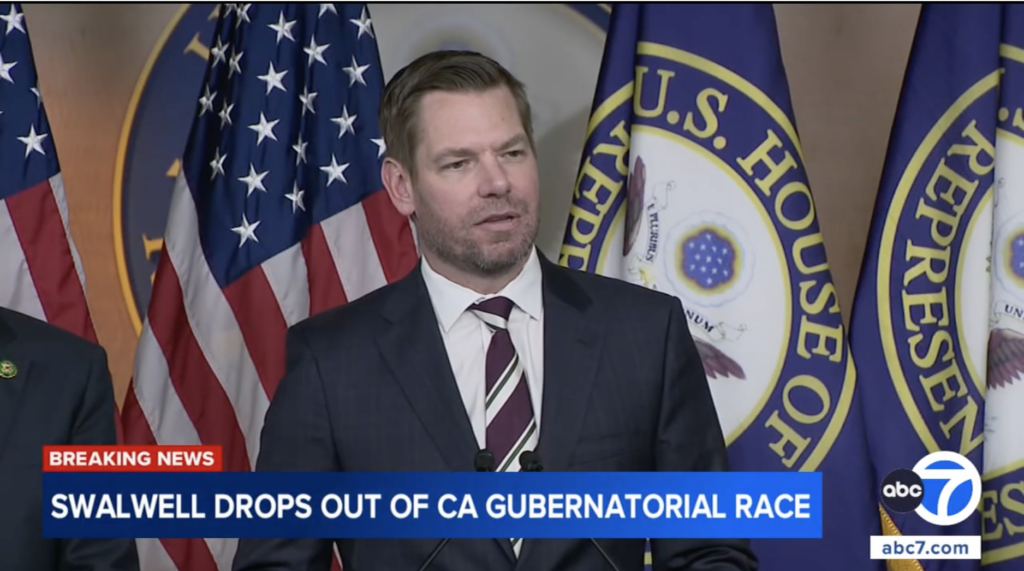
California Congressman Eric Swalwell announced on Sunday that he is suspending his campaign for governor amid serious allegations of sexual misconduct from former staffers. The decision comes after a report by the San Francisco Chronicle detailed accusations against Swalwell, including claims of sexual assault and sending unsolicited explicit messages to women.
Explainer Election Integrity and Voter Access in California: A Complex Landscape
The allegations have raised significant concerns about Swalwell's political viability and the trust placed in public officials. As the primary election approaches, the fallout from these accusations could reshape the Democratic landscape in California.
Swalwell's campaign faced a swift collapse following the allegations, with key staff members resigning and many calling for him to withdraw from the race. In a statement, Swalwell expressed remorse for his past mistakes but maintained that he would fight the allegations, which he described as "serious" and "false." He stated, "I am deeply sorry for mistakes in judgment I’ve made in my past. I will fight the serious, false allegations that have been made — but that’s my fight, not a campaign’s."
Allegations Surface
The allegations against Swalwell began to surface publicly when a former staffer accused him of sexual assault. Subsequent reports indicated that multiple women had come forward with similar claims, prompting a wave of criticism from within the Democratic Party. A joint statement from Swalwell's senior campaign staff described the behavior detailed in the reports as "abhorrent" and "beneath the dignity of those serving in public office."
House Minority Leader Hakeem Jeffries and former House Speaker Nancy Pelosi were among prominent Democrats who urged Swalwell to step down. Jeffries stated that the accusations "betray the trust of all Californians," reflecting a growing concern among party leaders about the impact of the allegations on the Democratic Party's image.
Campaign Infrastructure Deteriorates
As the allegations gained traction, Swalwell's campaign infrastructure began to deteriorate rapidly. Key advisers and staff members left, and many others demanded his resignation from both the gubernatorial race and his congressional seat. The campaign had previously dismissed the allegations as "false, outrageous rumors" but faced increasing pressure as more details emerged.
Cheyenne Hunt, a Democrat who previously ran for Congress, claimed to have worked with women preparing to share their stories of harassment and abuse by Swalwell. She noted that a major news outlet was set to publish a story on the allegations, which turned out to be accurate. Hunt's connections to other Democratic candidates have raised questions about the motivations behind the timing of the allegations, though she denied any collusion.
Investigations Underway
In addition to the political fallout, Swalwell is reportedly under investigation by Manhattan prosecutors regarding the allegations. A spokesperson for the office stated that they are equipped to assist the accusers in a trauma-informed manner, indicating a serious legal dimension to the case.
As the situation develops, Swalwell's past actions, including his vocal support for the #MeToo movement and his previous criticisms of other public figures accused of misconduct, have come under scrutiny. Critics have pointed out the apparent hypocrisy in his stance, given the serious nature of the allegations against him.
While Swalwell has denied the claims and vowed to fight them, the lack of support from fellow Democrats suggests a significant shift in his standing within the party. Many party members have distanced themselves from him, fearing the potential damage to their own political careers as the primary election approaches.
The allegations against Swalwell not only threaten his political future but also highlight broader issues within the Democratic Party regarding accountability and the treatment of women in politics. As the primary election nears, the impact of these allegations on the race remains to be seen, with potential implications for other candidates as well.
In conclusion, Swalwell's suspension of his campaign marks a significant moment in California politics, raising questions about the future of his career and the Democratic Party's response to allegations of misconduct.