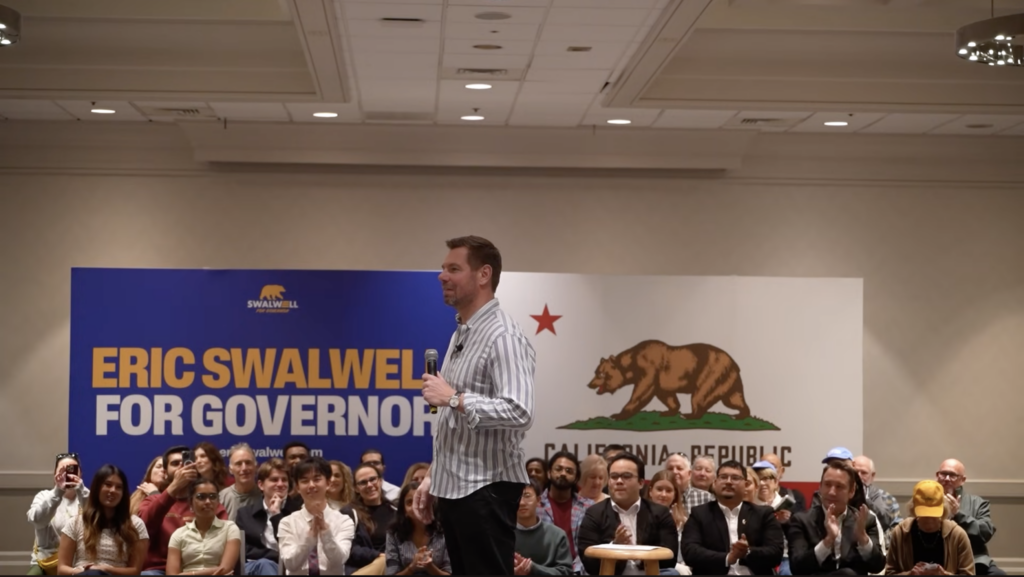
Rep. Eric Swalwell, a Democratic representative from California, announced on Sunday that he is suspending his campaign for governor of California. This decision comes in the wake of serious allegations of sexual misconduct that have surfaced from a former staffer, as well as from several other women. Swalwell has publicly denied these allegations, which have sparked significant discussions about the role of the media in reporting such claims and the broader implications for political accountability in the current climate.
Explainer Election Integrity and Voter Access in California: A Complex Landscape
The core tension surrounding this situation lies in both the timing and the nature of the allegations. Some critics argue that these claims have been known within political circles for years but were only reported now, raising questions about the media's commitment to transparency and accountability, especially when it comes to Democratic figures.
The allegations against Swalwell gained considerable traction following a report by the San Francisco Chronicle. This report detailed accusations from a former staffer who claimed that Swalwell sexually assaulted her. Following this, CNN provided additional coverage, which included more alleged victims coming forward with their own claims. In response to these allegations, several senior staffers from Swalwell's gubernatorial campaign issued a statement condemning the alleged behavior as "abhorrent" and a betrayal of public trust.
Media Complicity?
Steve Tavares, a political journalist based in the East Bay, stated that knowledge of Swalwell's alleged misconduct has circulated among local officials for over a decade. Tavares remarked, "I’ve covered Eric Swalwell since he was a member of the Dublin City Council. His behavior towards women was known by all levels of our local government and the Alameda County Democratic Party." He noted that he had attempted to report on these issues in the past, but the alleged victims chose not to come forward at that time.
Bethany Allen, a reporter with the Australian Strategic Policy Institute, echoed Tavares' sentiments. She stated that rumors about Swalwell's behavior have persisted in Washington, D.C., for years. "I first heard these rumors in 2020, but I was not in a position to chase them down," she said, adding that she passed the information to colleagues who were more focused on political reporting.
The media's handling of allegations against Swalwell contrasts sharply with its coverage of accusations against Republican figures, particularly during high-profile events such as the confirmation hearings of Supreme Court Justice Brett Kavanaugh. Critics have pointed out that unverified allegations against Kavanaugh received extensive media coverage, while similar claims against Swalwell were not pursued with the same vigor, raising concerns about potential bias in reporting.
Questions of Accountability
In a 2017 report, CNN mentioned that multiple interviewees had identified a California congressman for inappropriate behavior towards female staffers but did not disclose the name due to the unverified nature of the claims. This has led to speculation about whether Swalwell was among those referenced in that report. Critics argue that the media's reluctance to name the congressman reflects a double standard in how allegations are reported based on political affiliation.
The current situation raises broader questions about the accountability of public figures and the media's role in holding them to account. While Swalwell's campaign has come to an abrupt end, the implications of these allegations extend beyond his political future. They prompt discussions about the culture of silence surrounding misconduct in politics and the need for a more robust system of accountability.
Supporters of Swalwell have not publicly responded to the allegations or the media's coverage of them. The lack of immediate defense from his camp may indicate a strategic retreat as the allegations continue to unfold and gain traction in the public eye.
As the story develops, it remains to be seen how these allegations will impact not only Swalwell's political career but also the broader discourse on accountability and media ethics in political reporting. The scrutiny of media practices in this case may lead to calls for greater transparency and responsibility in how allegations of misconduct are reported, particularly when they involve public officials. This situation underscores the importance of addressing such allegations with care and diligence, ensuring that all voices are heard and that accountability is upheld in the political sphere.