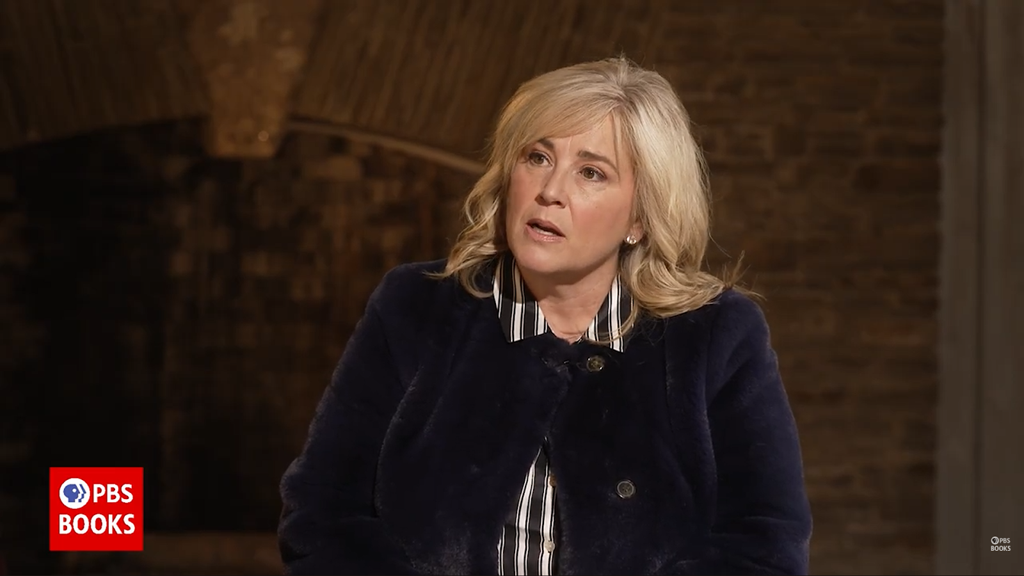
Karen White, the executive director of the Attorney General Alliance (AGA), suggested infiltrating Donald Trump’s 2016 presidential transition team, according to records obtained by The Federalist. This proposal highlights tensions within the organization, which claims to be bipartisan but has faced scrutiny over its political leanings and activities.
The AGA, which began as the Conference of Western Attorneys General, has expanded to include members from 48 states and several U.S. territories. Critics argue that White's comments reflect a broader bias within the organization against Trump and his administration, raising questions about the integrity of its operations.
In an email exchange from October 2016, White expressed her disdain for Trump and those associated with him. She noted that she had “ZERO relationship with the Trump transition team” and suggested that members of her organization attempt to infiltrate it. “If Trump comes to pass,” she wrote, “it definitely would up the average IQ of the Trump transition team.” This sentiment underscores her strong opposition to the incoming president.
Background on the AGA
The AGA was formed to promote collaboration among state attorneys general, but it has faced criticism for its perceived shift toward political activism. While some left-leaning outlets have suggested that the group has moved to the right, it launched initiatives in 2021 aimed at addressing race issues, according to InfluenceWatch. The organization has also been criticized for its relationships with corporate interests, with concerns raised about state AGs mingling with companies they may later investigate.
In response to these criticisms, the AGA has defended its activities, stating that its events are crucial for fostering collaboration and providing educational resources for its members. However, the records obtained by The Federalist indicate that White’s proposed infiltration reflects a more partisan agenda.
Reactions to White's Proposal
Tom Jones, president of the American Accountability Foundation and a critic of the AGA, condemned the organization’s leadership. He stated that the AGA “consistently flaunts how infiltrated it is by leaders who hate the president and the agenda the American people voted for.” Jones urged the Trump administration to scrutinize the AGA’s operations, suggesting that taxpayer funds should be redirected to more aligned organizations.
In her email, White also expressed her anger over Trump’s controversial remarks captured in the Access Hollywood tape, stating, “I am just one very p-ssed off female who happens to have been highly offended by Trump’s ‘hot mic’ remarks.” This further illustrates her strong feelings against Trump and those who support him.
White’s comments were made in the context of discussions with Chris Coppin, then-legal director of CWAG. Coppin communicated with others about the possibility of engaging with the transition team, indicating a desire for collaboration with the incoming administration, which contrasts with White’s sentiments.
Lack of Response from AGA
Despite the serious implications of White's comments, the AGA did not respond to requests for comment regarding the infiltration proposal. Additionally, Chris Coppin's communications suggested a willingness to engage with the new administration, highlighting a divide in the organization’s approach to the Trump presidency.
The records also show that White referenced JB Van Hollen, a Republican attorney general from Wisconsin, in her email. She suggested passing off a former North Carolina official as Van Hollen to gain access to the transition team. However, Kelly, the individual mentioned, stated he was unaware of any such plan and had not been approached about it.
As the political landscape continues to evolve, the implications of White's comments and the AGA's activities may influence public perception of the organization and its role in state-level governance. The AGA's dual claims of bipartisanship and its apparent political biases raise questions about its future direction and credibility among its members and the public.