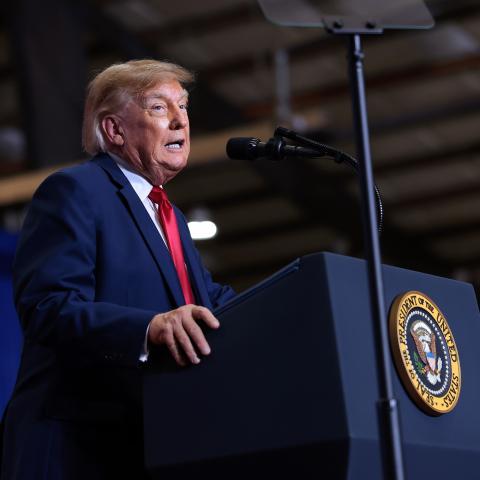
The Trump administration has announced a series of major actions aimed at tightening election security, citing longstanding vulnerabilities in voting systems and concerns over foreign interference. President Donald Trump, in a national address from the White House East Room, revealed that U.S. intelligence agencies had identified risks in ballot counting machines and warned of foreign actors, including China, accessing American voter data.
Explainer Noncitizen Voting in U.S. Elections: Risks, Realities, and Regulatory Challenges
The administration's efforts have intensified debate over the balance between election integrity and voter access, with critics alleging suppression and supporters arguing the measures are necessary for national security.
Trump's push comes amid heightened scrutiny of election processes, with both parties accusing each other of undermining public trust. The administration's actions follow reports of unauthorized individuals on voter rolls, concerns about ballot security, and claims of foreign meddling in U.S. elections.
Federal Crackdown on Voter Fraud
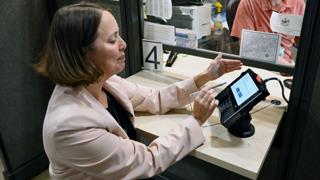
The Justice Department and Homeland Security have prosecuted, arrested, or convicted over 200 noncitizens or foreigners for illegally voting or attempting to register in federal elections, according to administration officials. This represents what the administration describes as the largest such enforcement effort in U.S. history, with near-daily arrests and court filings. The Department of Homeland Security, by cross-referencing voter registrations with government databases, identified tens of thousands of suspected foreigners on voter rolls, some of whom had cast ballots.
"Election security is national security"
— President Donald Trump
The U.S. Citizenship and Immigration Service analyzed millions of voter files, leading to enforcement actions by the DOJ, FBI, and Homeland Security. Trump also made the SAVE system at USCIS available to state and local election officials, resulting in the removal of nearly 500,000 deceased individuals from voter rolls.
Military and Vulnerable Voter Protections
War Secretary Pete Hegseth ordered a military-wide voting stand-down day in October of each federal election year, allowing service members and their families to register, request, and submit ballots. The War Department also closed loopholes in absentee ballot applications for purported U.S. citizens living overseas who had never resided in the United States.
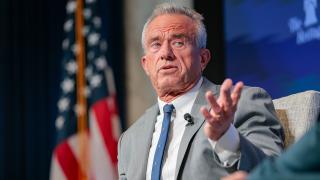
The Department of Health and Human Services, led by Secretary Robert F. Kennedy Jr. and Medicare and Medicaid Administrator Dr. Mehmet Oz, issued guidance to protect nursing home residents from coercion and interference in voting. The guidance clarified residents' rights to vote or decline and to receive assistance from a trusted person.
Oversight of Data and Technology
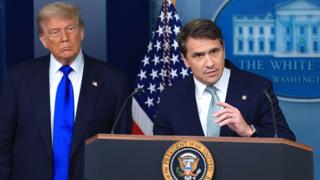
Education Secretary Linda McMahon issued a "Dear Colleague" letter warning state and local education agencies against sharing private student data with partisan NGOs, threatening loss of federal funding for violations. The Department of Justice, under Attorney General Todd Blanche, opened an inquiry into Mark Zuckerberg's requests for information from nonprofits he funded and is investigating the use of state motor vehicle data in get-out-the-vote efforts.
Homeland Security's Cybersecurity and Infrastructure Security Agency (CISA) shifted its focus from monitoring political speech to supporting state and local election officials with security tools. CISA released a report detailing vulnerabilities in electronic voting systems and recommended mitigation strategies. Homeland Secretary Markwayne Mullin referred concerns about QR code and barcode-based voting systems to the DOJ for review.
Funding and Census Reforms
FEMA has tied over a billion dollars in Homeland Security grants to election security measures, including post-election manual audits and ensuring ballot counts do not exceed the number of voters. Commerce Secretary Howard Lutnick's Census Bureau is proposing changes for the 2030 Census to ensure accurate counts of U.S. citizens, citing errors in the 2020 Census that the administration claims resulted in at least five erroneous Democratic House seats.
Democrats have criticized these moves as attempts to suppress the vote, particularly among groups they say are already disenfranchised. The administration maintains the measures are necessary to restore public confidence and protect against foreign interference. Some states and activists have sought to block federal warning letters, arguing they overstep federal authority. Officials from the Democratic Party and advocacy groups have not directly responded to the latest enforcement actions.