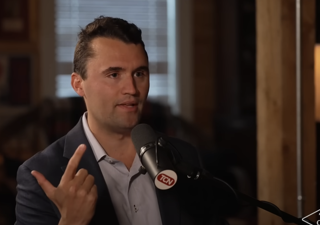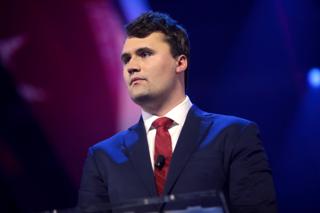
The recent shooting of Turning Point USA founder Charlie Kirk has reignited discussions about political violence in the United States, with some commentators calling for a reevaluation of the rhetoric used by political parties.
Explainer Public Safety and Crime Trends in America: Understanding the Landscape
Kirk was shot on Wednesday afternoon while responding to a question about left-wing violence. The incident has drawn sharp reactions from both sides of the political spectrum, with some left-wing commentators suggesting that Kirk's views may have contributed to the violence.
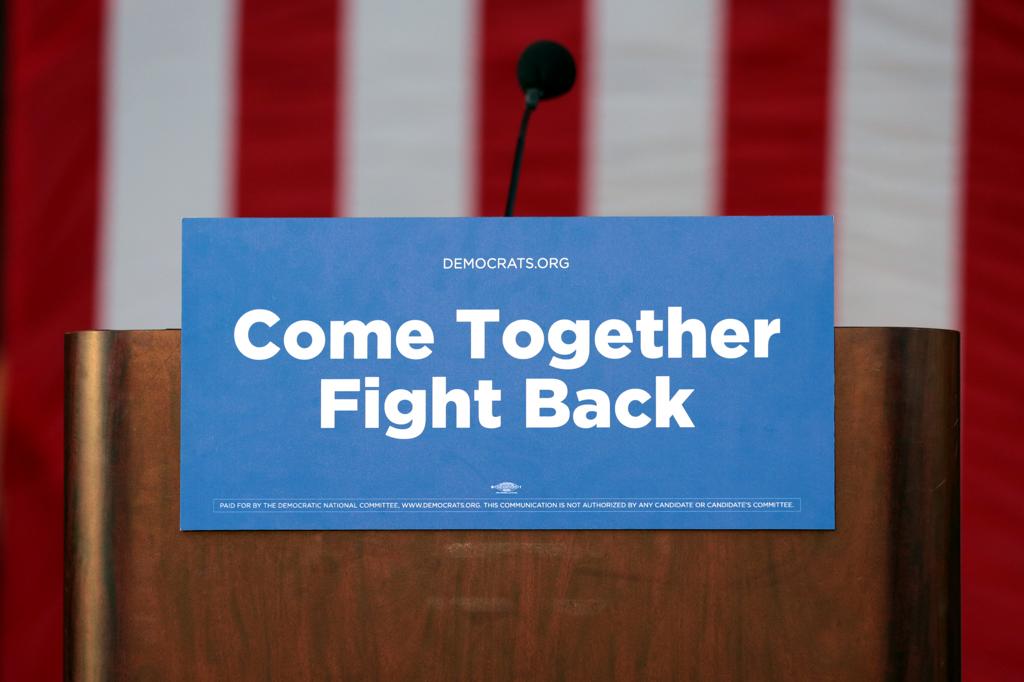
Critics of Murphy's comments argue that such rhetoric only exacerbates tensions and may incite further violence. They point to a history of inflammatory language used by some Democrats, which they claim has contributed to a culture of violence. For example, a survey conducted earlier this year indicated that 48% of liberals believe it would be at least somewhat justifiable to assassinate Elon Musk, while 55% felt the same about former President Donald Trump.
The issue of political violence is not new; historical examples include the 2017 shooting of Republican lawmakers during a baseball practice, which was linked to the rhetoric of Sen. Bernie Sanders, I-Vt. The shooter had previously expressed support for Sanders and was motivated by political grievances.
In recent years, incidents of violence have been reported at political events and protests, with some activists justifying aggressive actions as necessary responses to perceived threats. This has led to calls from various political figures for a reassessment of how political discourse is conducted.
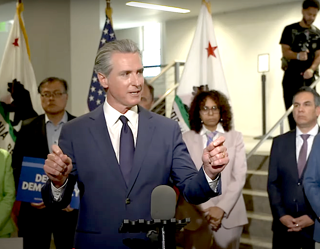
Democrats have faced criticism for their handling of political violence, with some suggesting that their responses have often downplayed the severity of incidents involving their supporters. For instance, Gov. J.B. Pritzker, D-Ill., recently blamed Trump for the assassination of Kirk, a claim that has been met with skepticism by some commentators.
The debate over political violence continues to evolve, with both sides grappling with the implications of their rhetoric. As the nation approaches the 2024 elections, the potential for further incidents remains a concern for many observers.
The shooting of Kirk has not only highlighted the dangers associated with political discourse but has also raised questions about the responsibilities of political leaders in shaping public sentiment. As tensions rise, the need for a more measured approach to political dialogue may become increasingly urgent.