Concerns regarding the effectiveness of the U.S. Supreme Court's recent ruling in Trump v. CASA have been highlighted by legal experts, particularly Associate Justices Samuel Alito and Clarence Thomas. The ruling, which limits the use of nationwide injunctions by lower courts, has not alleviated fears of judicial overreach, as evidenced by ongoing legal challenges against the Trump administration.
During a panel discussion at The Federalist Society’s National Lawyers Convention, Yale Law School Professor E. Garrett West remarked on the ruling's implications, stating, "the bad news is that it practically will make almost no difference with respect to the functional problems created by the universal injunction." He emphasized that alternative mechanisms remain available for plaintiffs seeking broad injunctions.
West pointed out that class action certification could allow plaintiffs to seek relief that mirrors a universal injunction. He explained, "if there are enough of the [class] members, they can ask for complete relief from a particular court, and the injunction might be basically just as broad as it would have been if it had been a universal injunction."
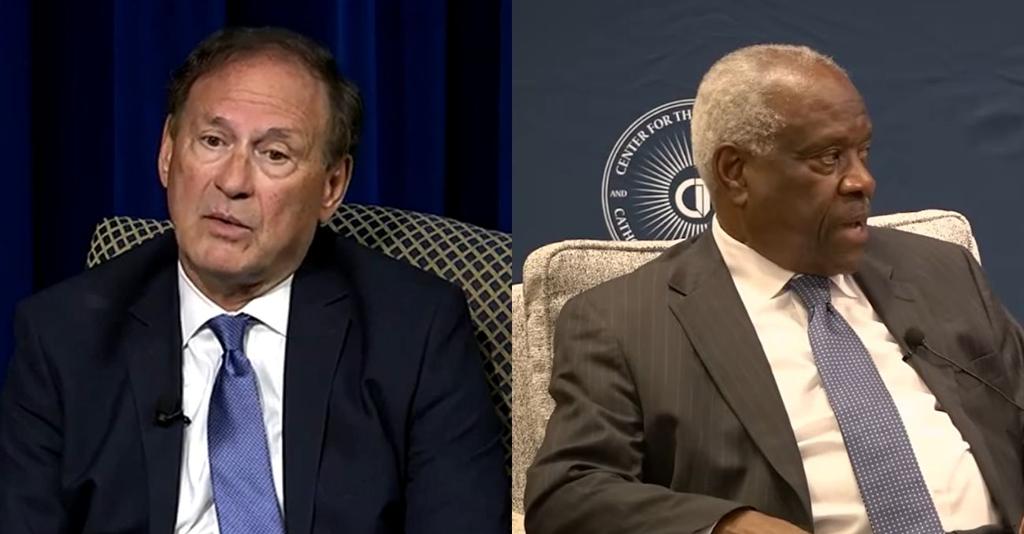
The concerns raised by Alito and Thomas in their concurring opinion during the CASA ruling have been echoed by legal analysts. Alito noted that the decision left unresolved issues regarding third-party standing and class certification, which could undermine its effectiveness. He warned that if states were granted third-party standing, they could pursue broader relief than individual plaintiffs.
"Today’s decision only underscores the need for rigorous and evenhanded enforcement of third-party-standing limitations," Alito wrote. He cautioned that unchecked practices could diminish the ruling's intended impact.
Since the CASA ruling, there have been multiple instances where courts have issued broad injunctions against the Trump administration. Ted Frank, director at the Hamilton Lincoln Law Institute, noted that no court has denied class certification in cases seeking universal relief since the decision was made public.
In one notable case, a district judge ruled against Trump’s executive order on asylum requests, granting class certification to a group of migrants. Similarly, another court in New Hampshire certified a nationwide class in an ACLU-backed challenge to Trump’s birthright citizenship order.
Chad Mizelle, former Chief of Staff at the Trump Justice Department, highlighted the significant number of nationwide injunctions issued against the Trump administration compared to previous presidents. He stated, "In the first Trump term, he had 64 injunctions. That compares with Biden’s 14."
Mizelle also pointed out that over 90% of the injunctions against Trump were issued by judges appointed by Democrats, raising questions about judicial impartiality. He argued that the data suggests a pattern of judicial activism against the Trump administration, stating, "Twenty-four emergency petitions were filed at the Supreme Court by the Trump administration this year. They won 22 of them. That’s a 92 percent win-rate at the United States Supreme Court."
As discussions continue around the implications of the CASA ruling, legal experts are calling for a closer examination of judicial practices and the potential for abuse in the issuance of nationwide injunctions. The ongoing dialogue reflects a broader concern about the balance of power between the judiciary and the executive branch.