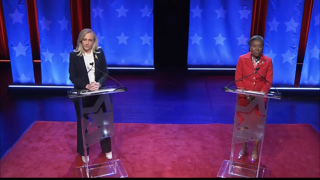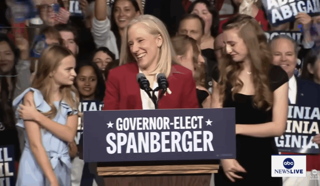
Virginia Governor Abigail Spanberger signed a bill on Monday committing the state to the National Popular Vote Interstate Compact (NPVIC). This compact aims to align Virginia’s Electoral College votes with those of California or other populous states, irrespective of the preferences expressed by Virginia voters. This decision has sparked considerable debate regarding its implications for electoral fairness and representation within the state and beyond.
Explainer Navigating Virginia's Electoral Landscape: Key Issues and Reforms
Virginia Commits to National Popular Vote Interstate Compact
The NPVIC is designed to ensure that the presidential candidate who receives the most popular votes nationwide is awarded the presidency. This could potentially override the outcomes of state-level voting. Currently, 18 states and Washington, D.C., have joined the compact, which will only take effect once states representing at least 270 electoral votes sign on. This threshold is significant, as it reflects the number of electoral votes required to win the presidency.
Background and Reactions
Under the existing system, most states allocate their electoral votes based on the popular vote within their own borders. This approach is intended to prevent candidates from focusing solely on populous regions, thereby encouraging them to consider the diverse interests of all states across the nation. Critics of the NPVIC argue that it could allow a few large states to dominate presidential elections, thereby diminishing the political influence of smaller states and their voters.
Supporters of the compact, including Spanberger, argue that it reflects a fundamental democratic principle by ensuring that every vote counts equally, regardless of geographic location. Spanberger stated, "The National Popular Vote Interstate Compact guarantees that the candidate who receives the most votes nationwide will win the presidency." This perspective emphasizes the importance of each individual's vote in the electoral process.
However, opponents contend that the compact undermines the protections established by the founders of the United States. The founders designed the Electoral College to prevent what James Madison termed the "tyranny of the majority." Critics assert that the NPVIC could marginalize voters in less populous states, leaving them politically irrelevant and voiceless in national elections.
The founders recognized the necessity for smaller states to have a voice in the political process. Alexander Hamilton defended the Electoral College in Federalist 68, emphasizing that it serves as a safeguard against potential corruption and factionalism. Madison, in Federalist No. 10, warned that a majority faction could jeopardize the rights of minority groups, highlighting the need for a balanced approach to representation.
As noted by Shawn Fleetwood in The Federalist, the founders likely would not have ratified the Constitution without protections for smaller states. The NPVIC, according to critics, risks reversing these safeguards and could lead to a political landscape dominated by a few urban centers, potentially sidelining the interests of rural and less populated areas.
Supporters of the NPVIC argue that the current Electoral College system disproportionately favors certain regions, particularly rural areas, and does not accurately reflect the will of the majority. They contend that the compact would promote a more equitable electoral process by ensuring that the candidate with the most votes nationwide is recognized as the winner. However, critics maintain that it would enable densely populated states to dictate national outcomes, thereby ignoring the unique needs and voices of less populated regions.
The debate over the NPVIC highlights a broader national conversation about electoral reform and representation. While proponents advocate for a system that reflects the popular vote, opponents warn that it could erode the foundational principles of American democracy, which were designed to protect minority interests.
As Virginia joins the compact, the future of the Electoral College and its role in American elections remains uncertain. The implications of this decision will likely reverberate through future electoral cycles, as more states consider their positions on the NPVIC. The compact has yet to reach the necessary threshold to take effect, and it remains to be seen how many additional states will join in this initiative.
Critics argue that the compact could lead to a significant shift in how presidential elections are conducted, potentially disenfranchising voters in states that do not align with the national popular vote. As the political landscape evolves, the NPVIC will continue to be a focal point of contention among lawmakers and voters alike. This ongoing debate raises important questions about the balance between popular sovereignty and the protection of minority interests in the electoral process, a balance that is crucial to the functioning of American democracy.