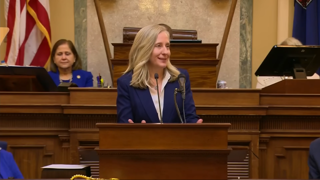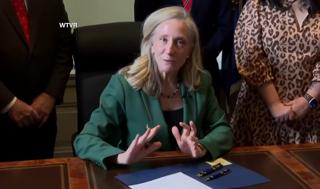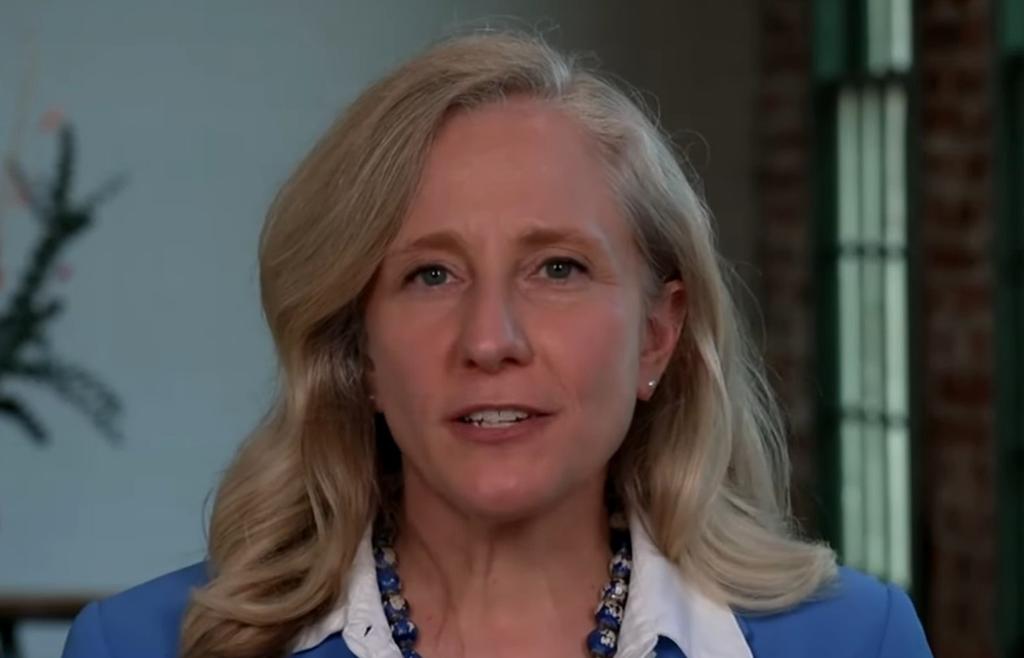
Democrats in Virginia are poised to advance a series of significant legislative measures as they assume control of the state government, including proposals to expand abortion rights, implement stricter gun control, and facilitate redistricting ahead of the 2026 elections. Governor-elect Abigail Spanberger and Democratic majorities in the state legislature aim to enact these changes shortly after taking office.
Explainer Navigating Virginia's Electoral Landscape: Key Issues and Reforms
The core tension lies in the potential for these measures to reshape Virginia's political landscape and social policies, with critics arguing that they could lead to unintended consequences. The Democratic Party will hold a 21-19 majority in the state Senate and a 64-36 majority in the House of Delegates, allowing them to pursue their agenda with relative ease.
Among the proposed changes are four constitutional amendments that would expand abortion access, enshrine same-sex unions as a right, automatically restore voting rights to felons who have completed their sentences, and allow for mid-decade congressional redistricting. Currently, Virginia permits most abortions up to 26 weeks, one of the most permissive policies in the South. Critics, including state Senator Mark Peake, have raised concerns about the abortion amendment, stating, "There’s no age mentioned in the constitutional amendment that just says any individual has a right to an abortion, doesn’t distinguish between adults and minors."
Redistricting and Political Implications
The redistricting amendment, which is expected to be passed in January, would allow Democrats to redraw congressional districts ahead of the 2026 midterms. If approved by voters in April, the new map could shift Virginia's congressional delegation from six Democrats and five Republicans to a potential 10 Democrats and one Republican. This change could significantly impact the balance of power in Congress, as Democrats seek to create districts that favor their party.
Democrats have faced criticism for their approach to redistricting, with opponents arguing that it could lead to gerrymandering. Supporters of the amendment contend that it is necessary to ensure fair representation. The debate over redistricting is expected to intensify as the election approaches.
Gun Control Measures
In addition to abortion and redistricting, Democrats are also pushing for stricter gun control measures. Delegate Dan Helmer has introduced a bill that would ban the importation, sale, manufacture, and transfer of so-called "assault" weapons, which he defines broadly to include many modern sporting rifles and pistols. The proposal would also limit magazine capacities and prohibit individuals under 21 from possessing modern rifles.
Helmer's legislation has sparked a heated debate, with supporters arguing that it is necessary to enhance public safety, while critics assert that it infringes on Second Amendment rights. The proposed measures could face legal challenges if enacted, as gun rights advocates are likely to contest any restrictions they view as unconstitutional.
State Senator Jennifer Carroll Foy has also introduced a bill that would establish "standards of responsible conduct" for firearm manufacturers, allowing the state attorney general to sue manufacturers for the actions of others. This proposal has raised concerns among gun rights advocates, who argue that it could lead to increased liability for manufacturers and ultimately drive up costs for consumers.
Broader Legislative Agenda
Beyond abortion and gun control, Democrats are also focusing on other legislative priorities, including a bill that would allow individuals deemed incapacitated to vote, pending a court ruling. Critics argue that this could undermine the integrity of elections, while supporters claim it is a necessary step to ensure access to voting for all citizens.
Additionally, Democrats are expected to pursue measures aimed at increasing the minimum wage and expanding housing assistance programs, which could have significant implications for the state's economy and housing market. Critics of these proposals warn that they could lead to job losses and increased housing costs, while supporters argue they are essential for addressing economic inequality.
As Virginia's new Democratic leadership prepares to implement its agenda, the state is likely to experience significant changes in its political and social landscape. The incoming administration's approach has drawn both support and criticism, and the outcomes of these legislative efforts will be closely watched by both proponents and opponents of the proposed measures.