Nebraskans are set to vote on May 12 in the U.S. Senate primary, where the outcomes will determine the Republican and Democratic candidates for the November election. The primary has drawn scrutiny over allegations that Democrats are attempting to manipulate the race to benefit a candidate with ties to the party, raising questions about the integrity of the electoral process in a predominantly Republican state.
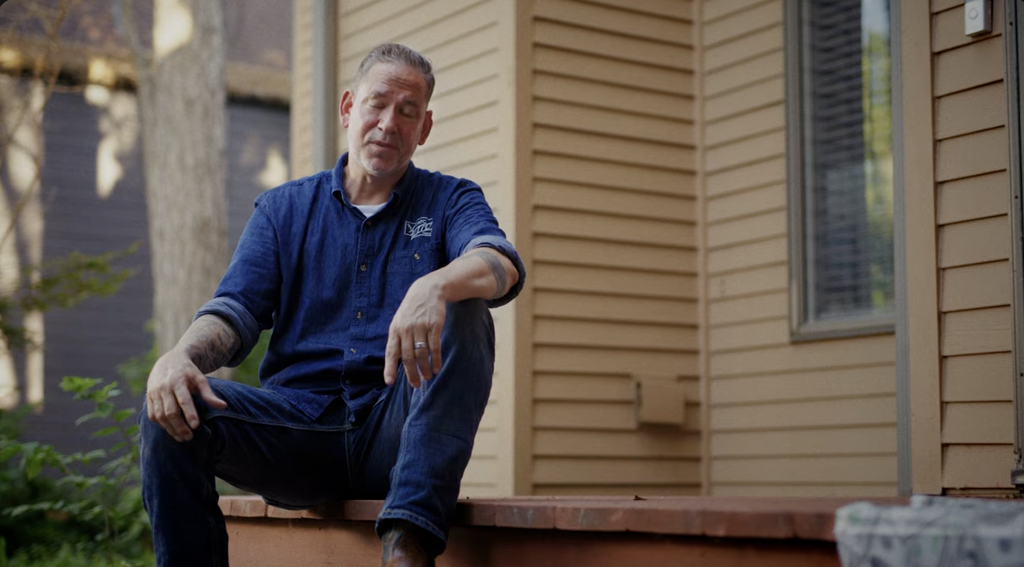
The central issue revolves around Dan Osborn, who is running as a so-called independent candidate but is reportedly backed by Nebraska Democratic leaders. Critics argue that this strategy undermines fair representation and could skew the election results in favor of Osborn, who has received significant financial support from prominent Democrats, including Senator Elizabeth Warren.
In the Democratic primary, candidates Cindy Burbank and William Forbes will compete for the chance to face the Republican incumbent, Pete Ricketts. Burbank has been accused of being a placeholder candidate, with plans to withdraw if she wins the nomination to support Osborn. Nebraska Republican Party Chair Mary-Jane Truemper stated, "Cindy Burbank is not a candidate. She is a placeholder, and everyone knows it."
Allegations of Election Manipulation
The accusations against Burbank and Osborn suggest a coordinated effort to manipulate the primary process. Burbank's campaign has been characterized as a means to ensure Osborn's viability against Ricketts. According to Truemper, Burbank's campaign is primarily focused on promoting Osborn rather than competing for the Senate seat herself.
Burbank's campaign faced challenges earlier this year when she was removed from the ballot by Nebraska Secretary of State Bob Evnan, who cited concerns about her intentions to serve if elected. However, she successfully sued to regain her position on the ballot, with legal assistance from Marc Elias, a lawyer known for his involvement in Democratic campaigns.
The Nebraska Democratic Party has publicly encouraged voters to support Burbank in the primary, framing it as a necessary step to eliminate Forbes, whom they label as a "fake" candidate. The party's strategy appears to hinge on consolidating votes behind Osborn, whom they believe has a better chance of defeating Ricketts in the general election.
Responses from Candidates and Officials
Osborn has positioned himself as an independent candidate, claiming he is not beholden to any party. However, his financial ties to Democratic figures and organizations have raised eyebrows. Nick Puglia, a spokesperson for the National Republican Senatorial Committee, asserted, "there’s no doubt Osborn wants to import the radical left’s agenda into Nebraska."
Despite the criticisms, the Nebraska Democratic Party has not directly addressed the allegations of manipulation. The party's communications have focused on rallying support for Burbank and Osborn, emphasizing their strategy to challenge Ricketts.
Forbes, the other Democratic candidate, has also faced scrutiny, with some suggesting he was planted in the race to siphon votes from Burbank. He has publicly identified as a lifelong Democrat, despite past support for Donald Trump. Forbes has denied any collusion with Ricketts, asserting his commitment to the Democratic platform.
Implications for the General Election
The outcome of the primary could significantly impact the general election landscape in Nebraska. If Osborn secures the nomination, he may present a formidable challenge to Ricketts, potentially altering the balance of power in the Senate. However, the tactics employed by the Democratic Party have sparked a broader debate about the ethics of electoral strategies and the importance of transparency in the political process.
As the primary approaches, the situation remains fluid, with both parties preparing for a contentious election season. The Nebraska Democratic Party's strategy, while aimed at consolidating support, has drawn criticism for its perceived lack of integrity and transparency. The implications of this primary could resonate beyond Nebraska, influencing how candidates approach elections in other states as well.
The Federalist reached out to Osborn's campaign, Burbank, and Nebraska Democrats for comment but did not receive a response by the time of publication.