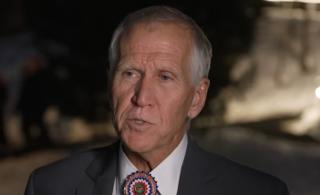
Senate Republicans have come under fire for agreeing to a funding package for the Department of Homeland Security (DHS) that excludes funding for Immigration and Customs Enforcement (ICE) and Border Patrol. This decision, made early Friday morning, has raised concerns among party members about the GOP's commitment to its voter base as the 2026 midterm elections approach.
Explainer Redistricting Unveiled: How It Shapes American Elections and Governance
The core tension lies in the perception that Senate Republicans are prioritizing procedural agreements with Democrats over the interests of their constituents. Critics argue that this approach undermines the party's platform and alienates voters who expect action on immigration and border security issues.
In the early hours of Friday, Senate Majority Leader John Thune announced the passage of a DHS funding package that did not include provisions for ICE and Border Patrol. Thune stated that funding for these agencies would be addressed through reconciliation to bypass Democratic procedural hurdles. However, this decision has sparked frustration among some Republican lawmakers and their supporters.
House Republicans' Response
In contrast, House Republicans rejected the Senate's proposal, opting instead for a short-term continuing resolution that temporarily funds DHS, including ICE and Customs and Border Protection (CBP). This move reflects a divide between the two chambers of Congress, with House Republicans emphasizing a more aggressive stance on immigration enforcement.
Despite the pushback from the House, Senate Republicans chose to recess for two weeks rather than debate alternative proposals or the SAVE America Act, which aims to strengthen border security. Critics have pointed out that this decision may demoralize the party's base and independent voters ahead of the critical midterm elections.
"Demoralizing their base and independent voters may seem like a baffling decision considering that the 2026 midterms are mere months away," wrote Shawn Fleetwood, a staff writer for The Federalist. He added that some within the GOP may prefer to cede power to Democrats rather than risk upsetting the status quo that has been established in Washington.
Implications for Republican Voters
The implications of this strategy present a challenging dilemma for Republican voters. They face a choice between abstaining from the midterms, which could empower Democrats, or voting for Republican candidates who have not demonstrated a commitment to their priorities. Fleetwood noted that neither option is particularly appealing, suggesting that many voters feel trapped between ineffective leadership and a potential Democratic majority.
As primaries unfold across the country, conservatives have an opportunity to nominate candidates who align more closely with their interests. Fleetwood emphasized that the Republican Party's elected officials often reflect the preferences of their voters, urging conservatives to take an active role in shaping their representation.
"If conservatives want better political representation, then it’s going to be incumbent upon them to make it happen," he stated. This call to action highlights the potential for grassroots movements to influence the party's direction and candidate selection.
The Road Ahead
While the current situation may seem dire for some Republicans, there remains a path forward. Engaging in the primary process and advocating for candidates who prioritize border security and other key issues could reshape the party's future. However, this task may prove challenging, as entrenched interests within the GOP may resist significant change.
In conclusion, the Senate GOP's recent actions regarding DHS funding have sparked significant criticism from within the party, raising questions about their strategy leading into the midterms. As voters prepare to head to the polls, the effectiveness of Republican leadership and their commitment to party principles will be closely scrutinized.