Midterm Elections and Their Enduring Impact on American Politics
Explore the lasting significance of midterm elections, how shifts in congressional power shape policy, and the broader implications for U.S. democracy.
Additional reporting by Liam Walker, Oliver Brown
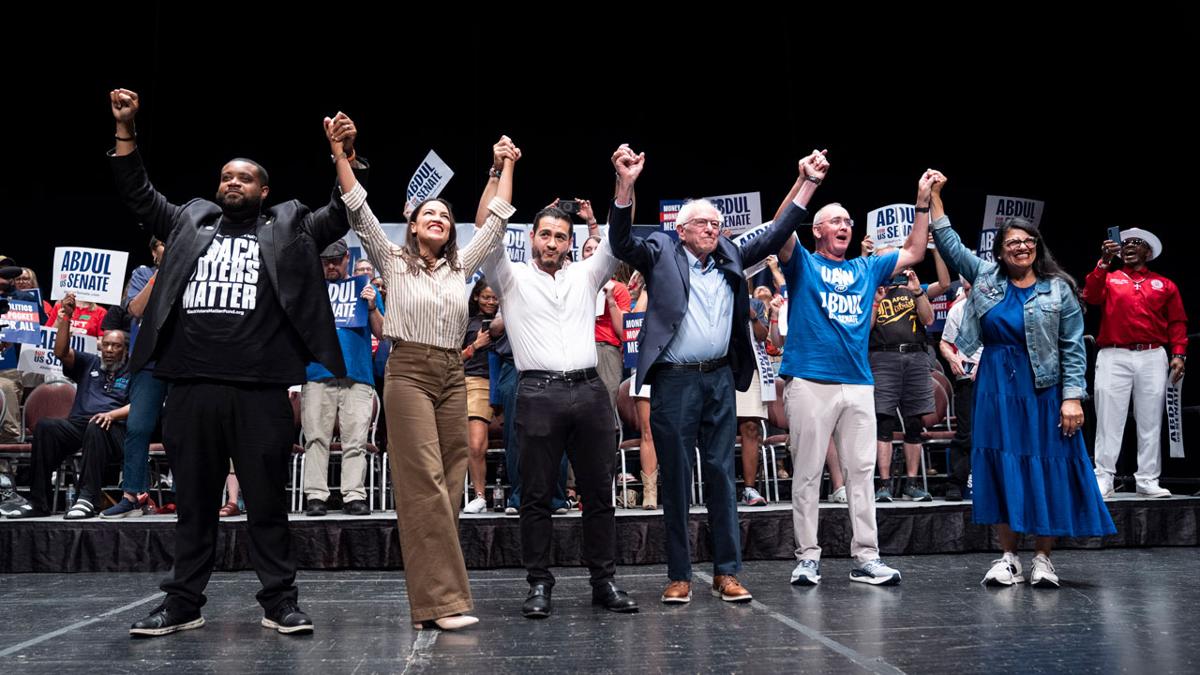
Midterm elections are a critical barometer of public sentiment toward the sitting administration and a vital factor shaping the American political landscape. While presidential elections naturally attract the most attention, midterms often produce profound consequences for governance, policy direction, and party dynamics. They serve as the nation's political spring cleaning, allowing voters to express approval or discontent with current leadership and set the stage for future electoral contests.
Understanding the mechanics and outcomes of midterm elections requires a comprehensive look at how power shifts occur, what drives voter behavior, and the downstream effects on both state and national levels. This long-form explainer sheds light on these complex aspects while highlighting the enduring importance of midterms in safeguarding representative government.
The Structure and Stakes of Midterm Elections
"Midterm elections are America’s true political reset, a vital check on governance and a barometer of public will beyond partisan spin."
Midterm elections occur every two years, precisely in the middle of a president’s four-year term. Unlike presidential elections, wherein all voters elect a president and vice president alongside congressional candidates, midterms focus largely on renewing the membership of the United States Congress and various state and local offices. Specifically, all 435 seats in the House of Representatives and approximately one-third of the 100 Senate seats are contested, along with numerous governorships and state legislative seats.
The stakes in midterms can be exceptionally high. Control of Congress determines the legislative agenda, the ability to confirm judicial nominees, budget allocations, and oversight of the executive branch. When the president’s party loses congressional majorities, it frequently leads to legislative gridlock and a check on presidential power. Conversely, a gain of seats can enable swift passage of key policies.
The strategic significance of governorships cannot be overstated, as governors influence redistricting and implement federal policies at the state level. Midterm results thus resonate well beyond Washington, shaping policy environments locally, regionally, and nationally.
Voter Behavior and Key Influences on Midterm Outcomes
Voter turnout in midterm elections traditionally lags behind that of presidential years, often fueled by a less enthused electorate. However, turnout surges when the public perceives urgent issues or dissatisfaction with current governance. Economic factors — inflation, job security, and cost of living — regularly persist as dominant motivators for voter choices. Additionally, national security concerns, social policy debates, and the general tone of political leadership intensify public engagement.
Notably, voter behavior in midterms frequently acts as a referendum on the sitting president’s performance. The party holding the presidency usually faces losses in Congress, a phenomenon known as the 'midterm curse.' Yet, exceptions occur depending on the president’s approval ratings and national mood. For instance, historic midterms have seen the president’s party maintain or even gain seats under certain favorable conditions.
Cultural and demographic shifts also play increasingly prominent roles. Issues such as immigration policy, criminal justice reform, and social justice mobilize specific voter blocs on both sides of the aisle. The recent midterms demonstrated how expanding the electorate among younger voters and minorities can affect traditional party strongholds, forcing each party to refine its outreach and policy focus.
Consequences of Recent Midterm Election Results
When one party gains control of both the House and Senate during midterms, the political and legislative impact can be dramatic. This shift enables the majority party to shape critical elements of governance — from setting budget priorities to confirming federal judges — often accelerating their legislative agenda. For conservatives, regaining control offers opportunities to pursue tax reform, national security policies, and election integrity measures with renewed vigor.
Recent midterm elections saw the Democratic Party gaining control of both chambers significantly, underscoring the fluidity of voter preferences and reaction to national issues such as the economy and governance style. However, such results are not permanent, and the party in power must continually prove its effectiveness to maintain support going forward.
Midterm outcomes also affect the internal dynamics within parties. Leadership positions, committee assignments, and policy priorities may shift as new members rise and the balance of power changes. This was visible in the aftermath of the 2026 elections, where emerging factions within both parties recalibrated their strategies and leadership aspirations, as seen in the challenges facing key GOP figures after losses.
These elections also offer historically significant milestones — for example, Scott Colom becoming Mississippi’s first Black senator since Reconstruction represents a landmark event, reflecting broader demographic changes and political realignments.
Election Integrity and Legal Challenges in Midterm Context
Election integrity remains a contentious, deeply partisan issue during midterms. Concerns over voter identification laws, ballot access, and the security of voting systems fuel heated debates and court battles. Conservative efforts to ensure election fairness emphasize traditional voting safeguards including proof-of-citizenship requirements, as upheld by the courts in states like Ohio allowing proof-of-citizenship laws.
On the other side, critics accuse these measures of suppressing turnout among minority and disadvantaged populations. The dispute over election rules creates a complex legal landscape that can delay certification of results, increase public mistrust, and elevate political tensions. Fundamental to conservative perspectives is the notion that secure and transparent elections underpin all democratic legitimacy.
Legal challenges often escalate as election observers and political parties seek judicial remedies before and after midterms. The Trump administration's renewed push for election integrity encountered setbacks in federal courts ahead of recent midterms, revealing the contentiousness of balancing access with security court setbacks ahead of midterms.
These dynamics ensure that election law and judicial rulings remain intertwined with political strategy, highlighting the need for well-crafted legislation to affirm both participation and confidence in the process.
The Broader Implications for Governance and Future Elections
Midterm election outcomes set the tone for governance for the remainder of a presidential term. When the opposition party gains control of Congress, the president faces heightened scrutiny and obstruction, influencing policy decisions on economic initiatives, foreign affairs, and social programs. Conversely, unified government conditions often produce faster policy implementation but invite criticism over lack of checks and balances.
Beyond immediate legislative effects, midterms shape electoral coalitions and campaign strategies leading into the next presidential election. Parties analyze midterm voting patterns to identify emerging voter concerns and demographic changes. For conservatives, maintaining rural constituencies and expanding appeal among suburban voters remain core objectives amid shifting political tides.
The influence of midterm results extends to state politics as well, where gains in governorships enable implementation of conservative agendas such as tax reform and regulatory rollbacks. However, these victories also press responsible governance, as economic challenges and social issues demand prudent management.
Looking forward, political actors must reconcile the contradictory impulses in American politics: the desire for strong leadership and effective governance versus demands for fairness, transparency, and inclusivity. Midterms remain a vital mechanism by which the electorate reins in excesses and forces recalibration.
The growing presence of ideological factions, such as the expanding influence of democratic socialists following recent elections, illustrates the evolving ideological contest shaping policy debates expansion of democratic socialists. Conservatives face the ongoing challenge of articulating a clear agenda that counters such trends while remaining attentive to the broad public’s concerns.
Through understanding midterm elections as more than mere political contests — but as pivotal points that reflect and shape national priorities — conservatives can better engage in preserving constitutional principles and advancing policies that ensure prosperity and security.
Relevant contemporary analyses highlight how economic performance and foreign policy, especially crises such as conflicts abroad, critically impact voter decisions. For instance, rising gas prices linked to international tensions cast shadows on election outcomes facing decisions amid rising prices.
Engagement with these factors is imperative for developing realistic strategies that resonate across the electorate. Voter enthusiasm, while occasionally muted, responds sharply to perceived competence and vision. The record fundraising success of some Republican groups, even amid turnout concerns, reveals persistent commitment from conservative bases NRCC fundraising amid concerns.
Ultimately, the midterm election processes and results reveal the vibrancy and challenges of American democracy — testing its resilience and adaptiveness. In a system designed to balance diverse interests, midterms act as essential recalibration points, ensuring governmental accountability and reflecting the nation’s evolving political will.
Frequently asked questions
What are midterm elections?
Midterm elections occur halfway through a president's four-year term and involve contests for the entire House of Representatives, about one-third of Senate seats, governorships, and other offices.
Why do midterm elections matter so much?
They determine control of Congress, which affects lawmaking, oversight of the executive branch, and the political environment leading into the next presidential election.
Who usually wins midterm elections?
Historically, the party not occupying the White House tends to gain seats, as voters often use midterms to express dissatisfaction with the president's party.
How does voter turnout in midterms compare to presidential elections?
Turnout typically decreases during midterms but can increase when voters are motivated by pressing issues or political dynamics.
What issues influence voters during midterms?
Economic conditions, national security, social policy debates, and perceptions of leadership competency heavily influence voter decisions.
How do midterms affect state politics?
State-level offices like governorships are contested, affecting state policy decisions and the redistricting process.
What role does election integrity play in midterms?
Controversies over voter identification and ballot access prompt legal challenges that influence perceptions of election legitimacy and outcomes.
Can midterm results change quickly in following elections?
Yes, political conditions and public opinions are fluid, so the party gains or losses in midterms don’t guarantee similar results in subsequent elections.
Timeline of our coverage
- 2026-11-15 — Border Crossings Rise After Democratic Midterm Wins, Experts Say
- 2026-11-09 — Trump-Backed RNC Chair Joe Gruters Faces Challenge After GOP Midterm Losses
- 2026-11-09 — Democrats Plan Probes of Musk, Miller as They Prepare to Take Congress
- 2026-11-05 — Democratic Socialists Expand Presence in Congress After Midterms
- 2026-11-05 — Republicans Blame Leadership, Economy, and War for Midterm Losses
- 2026-11-02 — Control of U.S. House Hinges on Dozens of Tight Races as GOP Defends Slim Majority
- 2026-11-01 — Trump Administration’s Election Integrity Push Faces Court Setbacks Ahead of Midterms
- 2026-10-17 — Ilhan Omar’s Lawyers Demand Return of Property Seized by Federal Agents
- 2026-09-24 — Federal Appeals Court Allows Ohio Proof-of-Citizenship Voting Law for Midterms
- 2026-09-17 — Trump Faces Critical Decision on Iran War Amid Rising Gas Prices
- 2026-09-11 — GOP Leaders Push to Codify Conservative Agenda Before January
- 2026-09-10 — Treasury Secretary Bessent Warns of Economic Reversal if Democrats Win Congress
- 2026-08-23 — Democrats Push to Abolish ICE, Expand Pathways to Citizenship Ahead of Midterms
- 2026-07-01 — Axios Report Highlights GOP Concerns Over Democratic Socialism
- 2026-04-20 — NRCC Reports Record Fundraising Amid Voter Enthusiasm Concerns
- 2025-12-05 — Supreme Court Allows Texas to Implement New Congressional Map
The Bottom Line
- Midterms determine congressional control, directly influencing national policies.
- They serve as a referendum on presidential and party performance mid-term.
- Shifts in gubernatorial offices impact state-level policy and federal implementation.
- Election integrity controversies during midterms affect voter confidence and democratic legitimacy.


Sources
- FEC
- Axios.com: High Voter Turnout Drove Indiana Blue Wave (Nov 10, 2026)
- Theatlantic.com: 689443
- Weforum.org: Us Midterm Elections How Vote Works Why It Matters
- Axios.com: 2026 Midterm Election Results Red Mirage Senate Races (Nov 03, 2026)
- En.wikipedia.org: 2026 United States Elections
- Euronews.com: Us Midterm Elections Results 2026 Live Updates In Maps And Charts (Nov 03, 2026)
- Theguardian.com: Midterm Elections Full Results Senate House Governor Races
- Poliwave.com: Midterms 2026