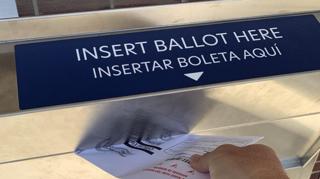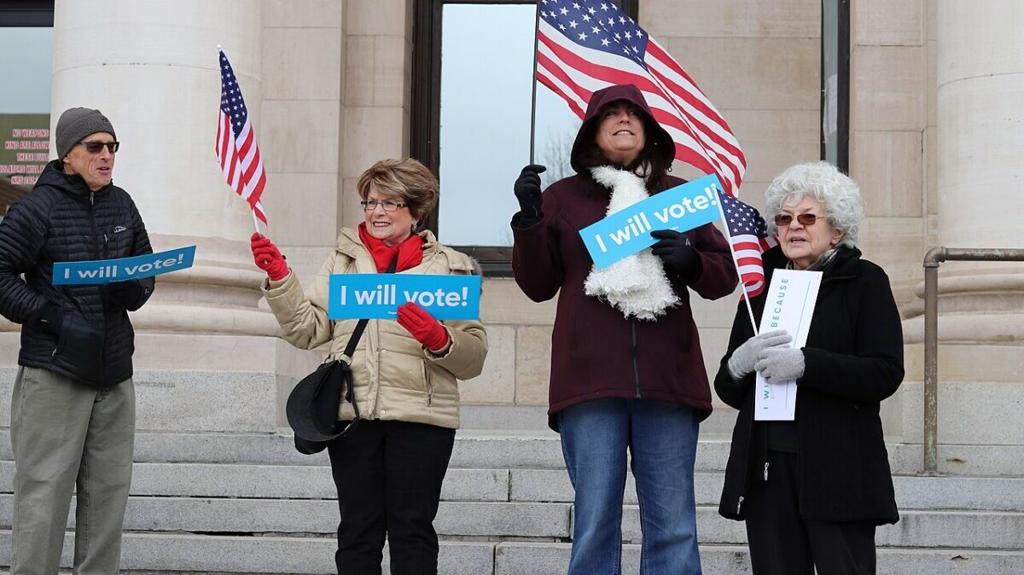
Nevada voters are preparing to decide next Tuesday whether to amend the state constitution to require identity verification for mail-in ballots, as Question 7 returns for a second and final vote. The measure previously passed with 73.2 percent support in its first appearance, and now faces its last hurdle before potentially becoming law.
Explainer Securing America's Elections: Challenges, Reforms, and the Path Forward
The proposal has become a focal point in the ongoing debate over election security and voter access. Supporters argue that the current system, which relies on signature-based verification, is unreliable and subjective. Opponents, meanwhile, question the necessity of stricter identification requirements and warn of possible barriers for some voters.
Close election margins in Nevada have heightened scrutiny of the state's mail-in voting process. According to the Nevada secretary of state, nearly 14,000 voters in 2024 were required to verify their identity to cure signature issues on mail ballots. In the 2022 general election, about 5,979 ballots that required signature cures were never counted. During the 2024 presidential primary, only 2,220 of 4,832 mail ballots flagged for signature issues were ultimately counted. These figures have fueled calls for changes to the verification process.
Current Verification Process
At present, Nevada verifies voters at the polls by signature and does not require documentation, making it one of 14 states with no ID requirement for in-person voting. For mail ballots, a bipartisan team of election workers compares the signature on the envelope to the voter’s signature on file. If at least two election workers question the match, the voter is contacted and given an opportunity to cure the issue. Critics say this process is subjective and can result in both legitimate ballots being rejected and fraudulent ones being accepted.
Secretary of State Cisco Aguilar has defended signature verification as an important security check, but acknowledged that the process can affect a significant number of voters. “Every eligible Nevada voter deserves to have their vote counted and voice heard, and signature verification is an important security check in the voting process,” Aguilar said, as reported by the Las Vegas Sun.
Byron Fisher, chief of staff at the Election Protection Project, has been critical of the current system. “A system that throws out thousands of ballots while still depending on handwriting comparison is neither secure nor fair,” Fisher said.
Details of Question 7
If approved by voters, Question 7 would require in-person voters to present one of eight forms of government-issued photo identification, such as a driver’s license, passport, or tribal ID. For mail ballots, voters would need to provide an identifying number, such as the last four digits of a Nevada driver’s license or Social Security number, or a county-assigned registration number. The measure includes provisions for older voters, allowing those 70 and older to use expired IDs, while other IDs can be up to four years expired.
Support for the measure remains strong. According to reporting from the Nevada Independent, 67 percent of Nevadans currently favor the proposal. The initiative gathered 179,000 signatures from all 17 counties to qualify for the ballot. Because it is a constitutional amendment, it must be approved in two consecutive general elections to take effect. The current vote is the second required approval.
Legislative Alternatives and Debate
During the 2025 legislative session, Democratic Assembly Speaker Steve Yeager introduced AB 499, a bill that would have allowed mail ballots to be verified solely by signature if the identifying number could not be confirmed, and would have expanded ballot drop boxes. However, Republican Governor Joe Lombardo vetoed the bill, arguing that it did not apply ID requirements equally to in-person and mail voters and failed to guarantee ballot security.
Lombardo has maintained that a statutory change could be reversed by a future legislature, while a constitutional amendment would establish a uniform standard that could not be easily weakened. The debate in Nevada reflects broader national trends, as 36 states now require some form of voter identification for elections.
Supporters of Question 7 argue that the measure would provide a more objective and reliable method for verifying voter identity, particularly in a state where elections are often decided by narrow margins. They contend that requiring an identifying number for mail ballots would reduce the risk of both accidental and intentional errors in the verification process. Opponents, however, have raised concerns that the new requirements could create barriers for some voters, such as those without easy access to identification or those unfamiliar with the process. Despite these concerns, recent polling indicates continued majority support for the amendment.
The outcome of Tuesday’s vote will determine whether Nevada joins the majority of states in enshrining voter ID requirements for both in-person and mail-in voting in its constitution. If approved, the measure would mark a significant change in how Nevada conducts its elections, with the goal of increasing both security and public confidence in the process.