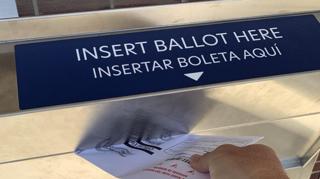
House Republicans, led by Rep. Laurel Lee of Florida, have introduced the Ballots by Election Day Act, a bill that would require all absentee and mail-in ballots in federal elections to be received by the close of polls on Election Day to be counted. The legislation, introduced this week, is modeled after Florida’s existing election law and is intended to create a uniform national standard for ballot deadlines.
Explainer Securing America's Elections: Challenges, Reforms, and the Path Forward
The proposal comes amid ongoing debate over election integrity and delayed results, with supporters arguing that a clear deadline is needed to restore public trust in the process.
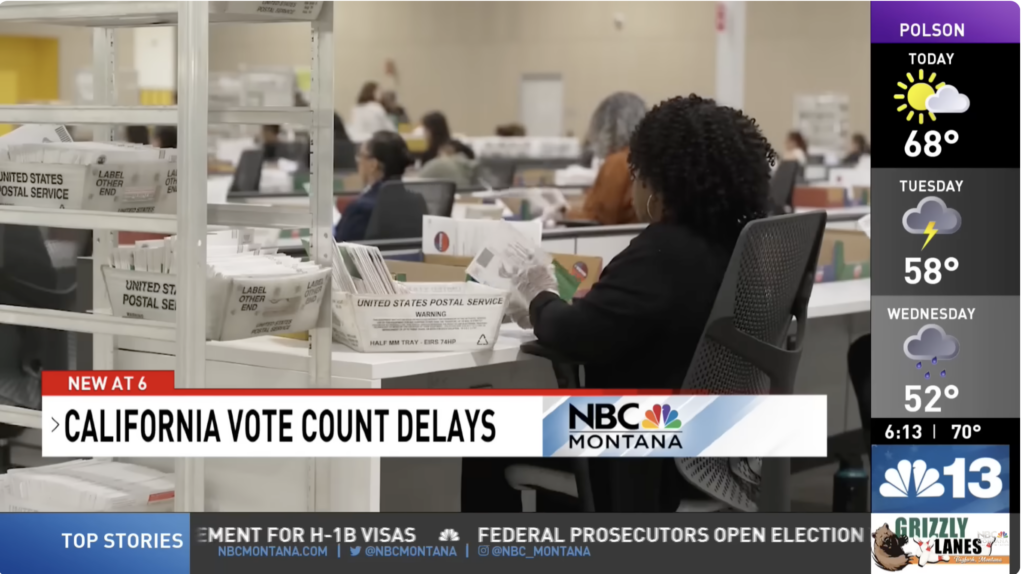
The push for a federal deadline follows recent high-profile delays in states like California, where ballots postmarked by Election Day can be accepted for up to a week after polls close. In California’s June primary, election officials were still counting votes several days after the contests, and the final outcome in key races was not known for weeks. Critics, including Lee, say such delays undermine confidence in elections and open the door to suspicions of manipulation.
Details of the Ballots by Election Day Act
According to a press release from Rep. Lee’s office, the bill would require that all ballots in federal elections—except those covered by the Uniformed and Overseas Citizens Absentee Voting Act (UOCAVA)—be received by the close of polls on Election Day. Ballots arriving after that deadline would not be counted. The measure would take effect beginning with federal elections held in 2027.
Lee, who previously served as Florida’s Secretary of State, said her experience overseeing Florida’s elections demonstrated that clear rules and firm deadlines are effective. “Florida has shown that we can provide voters with accessible ways to cast their ballots while maintaining a clear deadline for when those ballots must be received. Election Day should mean election results,” Lee said in the release.
"When the polls close, voters should have confidence that the voting is over and election officials can move forward with determining the results."
— Rep. Laurel Lee, House Administration Subcommittee on Elections Chairwoman
Senator Ashley Moody, also of Florida, has introduced companion legislation in the Senate, calling for Congress to adopt Florida’s approach nationwide. The bill preserves existing protections for military and overseas voters.
Criticism of Extended Ballot Deadlines
Supporters of the measure point to California’s extended ballot acceptance window as a source of confusion and delay. In the state’s recent primary, Los Angeles officials did not reach 85 percent of ballots counted until six days after the election, compared to Florida’s 85 percent in 45 minutes. California sends mail-in ballots to all registered voters and allows third-party collection of ballots, which critics argue can lead to large late ballot dumps and shifting race outcomes.
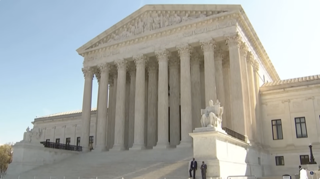
The issue has also drawn attention at the federal level. Fourteen states and the District of Columbia currently accept ballots postmarked by Election Day but received after, with grace periods varying by state. In a recent Supreme Court decision, Watson v. RNC, the Court upheld Mississippi’s five-day grace period for mail ballots, with the majority opinion stating that federal statutes do not specify a receipt deadline for ballots. Justice Samuel Alito, in dissent, warned that allowing ballots to arrive after Election Day “creates greater opportunity for fraud and risks further undermining the public’s confidence in election integrity.”
Legal and Political Landscape
The Ballots by Election Day Act faces significant political hurdles. Senate Democrats have filibustered related election integrity legislation, such as the SAVE America Act, which would require documentary proof of citizenship and voter ID for federal elections. The current bill’s prospects remain uncertain, with Republican leaders so far declining to force a showdown over the filibuster.
Meanwhile, the Trump administration has asked the Supreme Court to lift a lower court’s restraining order blocking new U.S. Postal Service rules for mail-in ballots, which are intended to prevent noncitizens from voting. The Supreme Court previously overturned a permanent injunction by U.S. District Judge Indira Talwani, finding the block premature. In its filing, the administration argued, “The Rule’s regulation of the U.S. Mail—not federal elections—is plainly constitutional.”
Democratic leaders and advocacy groups have opposed efforts to restrict mail-in voting, arguing that such measures could disenfranchise eligible voters and disproportionately impact certain communities. As of Friday, Democratic officials had not issued a formal response to the Ballots by Election Day Act.