California's high-speed rail project, intended to connect Los Angeles and San Francisco, is now over a decade into construction with significant delays and escalating costs. Critics argue that the project has devolved into a costly endeavor that may not fulfill its original promise of a high-speed transit system.
Explainer Election Integrity and Voter Access in California: A Complex Landscape
The core issue revolves around the project's ballooning expenses and the shifting goals of its construction. Initially envisioned as a high-speed rail line, the California High-Speed Rail Authority has altered its plans, focusing on a slower, more limited route through the Central Valley. This change has led to skepticism about the project's future viability and its ability to serve the intended population effectively.
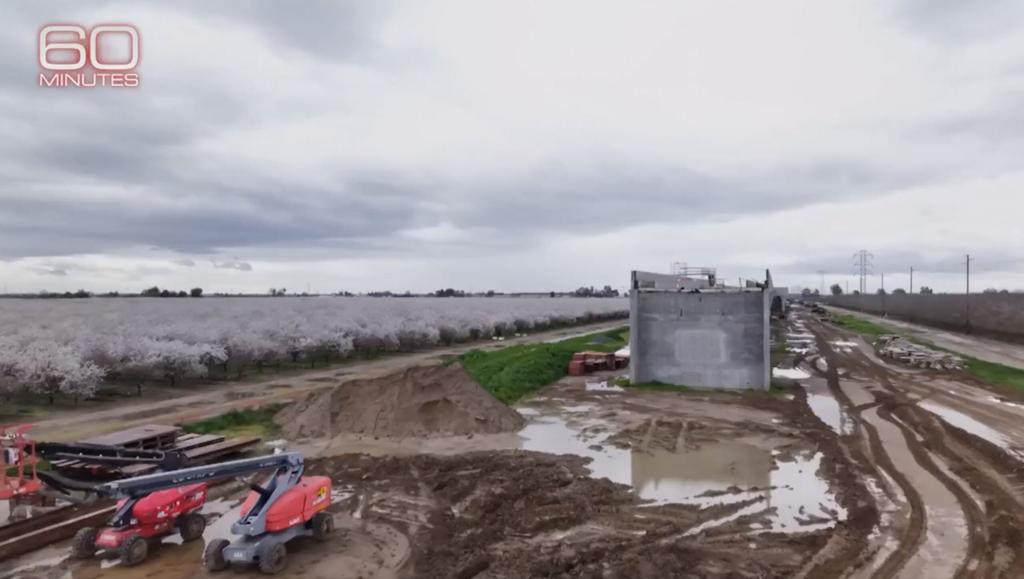
Construction on the rail line began nearly 20 years ago, with active work starting 11 years ago. The project has faced numerous challenges, including budget overruns and delays. As of now, the authority is attempting to build an initial 119-mile segment, which has already cost tens of billions of dollars. Critics have likened the unfinished structures in the Central Valley to a modern-day “Stonehenge,” a testament to the project's stagnation.
Key Details
In a recent segment, CBS's 60 Minutes highlighted the project's struggles, noting that California is now revising its construction plans to include cheaper, slower sections. This shift has raised concerns that the state is abandoning its original vision of a high-speed rail system. The report pointed out that the project is no longer focused on the promised Los Angeles-to-San Francisco line, but rather on a limited core route that may not meet the needs of California's residents.
Background and Reactions
Critics have also drawn comparisons to other infrastructure projects in the state, citing examples of significant cost overruns. For instance, a wildlife bridge in Colorado cost $15 million and took 11 months to build, while California's mountain lion bridge across the 101 Freeway is projected to cost around $114 million after four years of construction. This disparity has led to accusations that California's projects are poorly managed and financially irresponsible.
The SMART train project, which connects Sonoma and Marin Counties, has also come under fire. A book titled "The Great Train Heist" claims the system, which serves about 4,500 riders daily, will cost a billion dollars to build. The chairman of the SMART oversight board disputed this figure, asserting that ridership has been closer to 4,500, but critics argue that the cost per rider is exorbitant given the population of the two counties combined.
Looking ahead, other large infrastructure projects in California are also facing scrutiny. The San Diego Association of Governments is planning a new route for the LOSSAN rail corridor, with a proposed $4 billion tunnel under Del Mar. Critics have expressed doubts about the accuracy of the projected costs, suggesting that the final price tag could be significantly higher. They also question the need for such projects, given the low ridership numbers on existing services.
Supporters of the high-speed rail project, including the California High-Speed Rail Authority, argue that the initiative is creating jobs and stimulating the economy. They claim that the project has generated over 16,000 jobs and provides steady employment for many workers in the trades. However, critics counter that the benefits of job creation do not justify the project's escalating costs and delays.
As the debate continues, the future of California's high-speed rail project remains uncertain. While supporters emphasize the potential economic benefits and job creation, critics highlight the project's inefficiencies and the likelihood that it may not deliver the promised high-speed transit. The ongoing challenges raise important questions about infrastructure spending and management in California, as well as the broader implications for similar projects across the country.