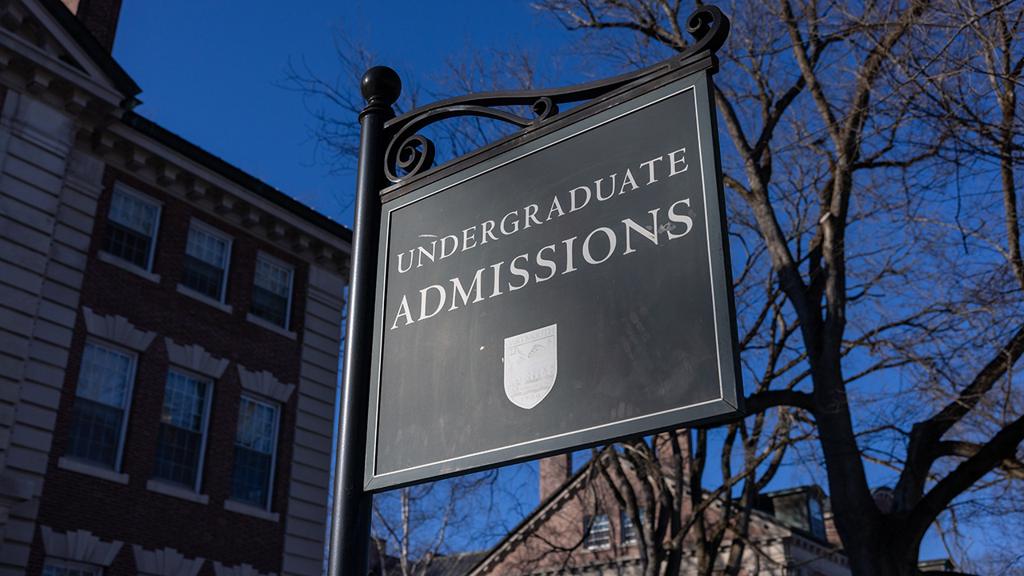
The House Education and the Workforce Committee has formally requested that the Government Accountability Office (GAO) conduct a comprehensive review of how artificial intelligence (AI) is being used in college admissions and scholarship selection processes. In a letter sent to the GAO, the committee cited growing concerns from applicants, students, and parents about the fairness and transparency of these increasingly technology-driven processes.
Explainer The Controversy Over DEI In Education: Legal Battles and Policy Shifts
Lawmakers are seeking greater clarity on the extent to which AI is influencing admissions decisions, as well as whether its use is ensuring impartial treatment of all applicants. The committee’s inquiry reflects a broader national conversation about the role of AI in education, particularly as colleges and universities adopt new technologies to streamline their operations and manage large volumes of applications.
AI’s Growing Role in Admissions
Colleges and universities across the United States are turning to AI technologies for a range of tasks. These include using chatbots to answer questions from prospective students, automating the review of application materials, and managing communications with applicants. Some institutions have publicly stated that AI tools are used only to supplement human review, helping admissions officers sort or organize applications but not making final decisions.
However, the committee’s letter points to reports suggesting that some schools may be using, or are considering using, AI systems to make final admissions determinations. This possibility has raised concerns about the potential for bias, lack of transparency, and the risk that important decisions about students’ futures could be made by algorithms rather than people.
"While some schools have made public statements emphasizing that their use of AI only supplements human review of applications and that AI does not make admissions decisions, other reports suggest that some schools use, or are considering using, AI tools to make final admissions decisions."
— House Education and the Workforce Committee letter
The committee’s request to the GAO comes at a time when the use of AI in higher education is expanding rapidly. As application numbers rise and institutions seek to manage costs and improve efficiency, automated tools are becoming more common. At the same time, there is increasing scrutiny of how these tools are designed, how they are used, and whether they are subject to adequate oversight.
Key Questions for Federal Oversight
In its letter, the committee outlined several specific questions for the GAO to address. These include:
- How are colleges and universities using AI in admissions and scholarship selection?
- How widespread are these practices across different types of institutions?
- What steps are colleges taking to monitor AI systems for accuracy and fairness?
- How do institutions identify and address the use of AI by applicants themselves, such as using AI to draft essays or other application materials?
The committee emphasized that these questions are central to understanding whether the use of AI in admissions is consistent with principles of equity and transparency. Lawmakers are seeking federal oversight to ensure that all applicants are treated fairly and that the admissions process maintains its integrity.
Concerns About Fairness and Transparency
The use of AI in college admissions has sparked debate among educators, policymakers, and the public. Supporters argue that AI can help reduce human bias, process applications more efficiently, and provide consistent evaluations. Critics, however, warn that AI systems can reflect or even amplify existing biases in data, and that the decision-making process may become less transparent when algorithms are involved.
Applicants and their families have expressed concerns about how their applications are being evaluated and whether they have a clear understanding of the criteria being used. The committee’s letter notes that the increasing reliance on AI is raising new questions about the impartiality and integrity of the admissions process.
Monitoring Applicants’ Use of AI
In addition to examining how colleges use AI, the committee is also interested in how institutions are responding to the growing trend of applicants using AI tools themselves. Some research suggests that students are turning to AI to help draft essays and other materials for their applications. This development adds another layer of complexity to the admissions process, as colleges must determine how to identify and address the use of AI-generated content in application materials.
Broader Oversight Requests
Alongside its inquiry into AI in admissions, the House Education and the Workforce Committee has sent separate letters to the GAO requesting information on two additional topics: how students who transfer between schools can move their academic credits, and the current landscape of faculty tenure across higher education. These requests reflect the committee’s broader interest in issues affecting students, faculty, and the overall functioning of higher education institutions.
Next Steps
At this stage, the committee has not indicated whether colleges or AI vendors have responded to its concerns or provided additional information about their practices. The GAO’s findings could inform future policy discussions and potential legislative action aimed at ensuring that the use of AI in college admissions is fair, transparent, and subject to appropriate oversight.
The committee’s request underscores the growing importance of understanding and regulating the role of AI in shaping educational opportunities and outcomes for students across the country.