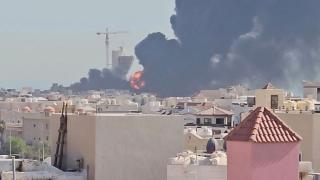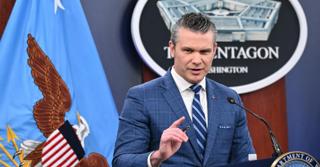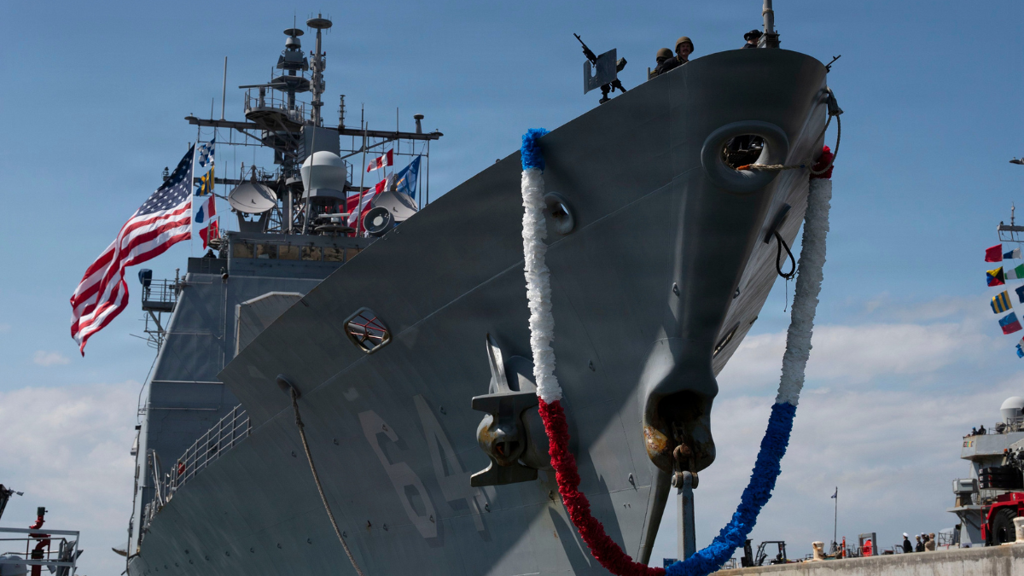
The United States Navy has commenced enforcing a blockade of Iranian ports and is conducting minesweeping operations in the Strait of Hormuz, a crucial waterway through which approximately 20 percent of global oil and liquefied natural gas (LNG) is transported. This military action reflects a decisive posture reminiscent of U.S. strategies employed during the late 1980s, particularly during Operation Praying Mantis, which was aimed at countering Iranian aggression in the region.
The current blockade underscores the ongoing tension between the U.S. and Iran. Critics of this aggressive military measure warn that it could escalate conflict and lead to civilian casualties. However, proponents argue that overwhelming force is necessary to deter Iranian provocations and protect vital shipping lanes that are essential for global energy supplies.
In the late 1980s, during the Tanker War, Iran targeted shipping in the Persian Gulf, prompting Kuwait to seek U.S. protection for its oil tankers. In response, President Ronald Reagan initiated Operation Earnest Will, which involved reflagging Kuwaiti vessels to ensure their safety. Chuck DeVore, who is the chief national initiatives officer at the Texas Public Policy Foundation and a participant in the Pentagon war games that shaped Operation Praying Mantis, noted the importance of decisive military action. He stated, "The Green team’s decisive posture resulted in roughly 50 American dead, wounded, or captured. The Blue team’s tentative path allowed Iran to control escalation, producing some 1,500 American casualties."
Historical Context
The lessons learned from the 1980s are being applied to the current situation, as the U.S. seeks to prevent Iran from escalating its military actions. In April 1988, after an Iranian mine nearly sank the USS Samuel B. Roberts, the Reagan administration opted for a robust military response. This response resulted in significant Iranian losses while minimizing American casualties. The operation helped to bring Iran to the negotiating table, illustrating the effectiveness of a strong military stance in achieving diplomatic outcomes.
Today, the U.S. is employing similar tactics, aiming to maintain pressure on Iran and prevent it from coordinating a large-scale retaliation against U.S. interests or allies. Recent military operations, including U.S. and Israeli strikes under Operation Epic Fury, have demonstrated how overwhelming force can disrupt Iranian military capabilities and deter further aggression. DeVore emphasized the importance of a strong military strategy, stating, "Hit hard, hit fast, and dictate the fight."
Economic Implications
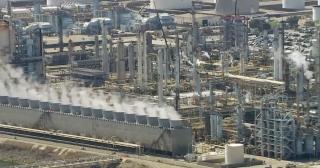
The blockade and minesweeping operations are also strategically intended to target Iran's economic lifeblood—its oil exports. Despite the existing sanctions imposed on Iran, the country has managed to sustain its economy through crude oil sales, which in turn fund the Islamic Revolutionary Guard Corps (IRGC) and other military initiatives. By blocking these exports, U.S. forces aim to weaken the Iranian regime's financial resources and diminish its ability to support regional terrorism and other destabilizing activities.
Critics of the blockade caution that it may lead to unintended consequences, including increased civilian suffering and potential military escalation. They argue that decades of alternating between appeasement and limited military responses have allowed Iran to dictate the terms of engagement in the region. However, supporters of the blockade assert that a decisive military approach is necessary to conclude conflicts on favorable terms for the U.S. and its allies, thereby ensuring long-term stability in the region.
Future Considerations
As the U.S. Navy continues its operations in the Strait of Hormuz, the effectiveness of this strategy remains to be seen. The historical precedent set by Operation Praying Mantis and the recent successes of Operation Epic Fury suggest that a strong military presence can deter Iranian aggression. However, the potential for escalation and the impact on civilian populations are critical factors that need to be considered moving forward.
The ongoing blockade tests American resolve in the region, with the stakes high for both U.S. interests and regional stability. The outcome of these military operations could reshape the dynamics of U.S.-Iran relations and influence the broader geopolitical landscape in the Middle East, impacting not only the involved nations but also global energy markets and international diplomatic relations.