Understanding China’s Strategic Role in Global Politics and U.S. Relations
An authoritative exploration of China’s geopolitical influence, economic strategies, and the complexities of U.S.-China relations shaping today’s world stage.
Additional reporting by Oliver Brown, April Clark
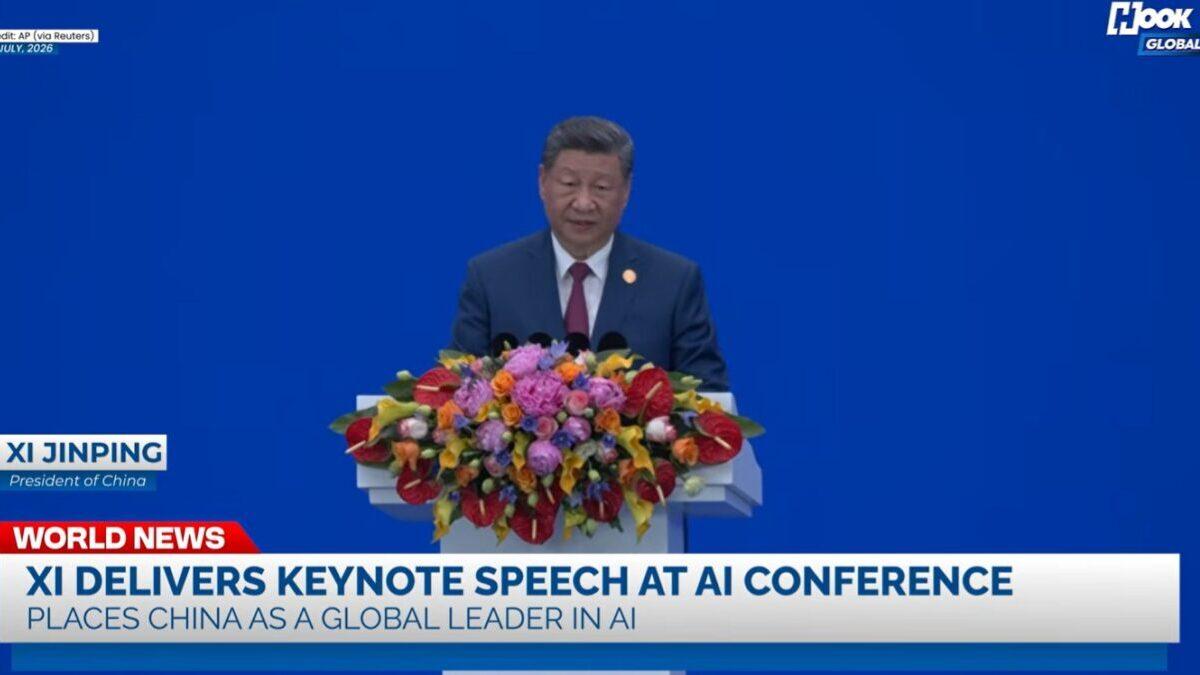
China’s rise as a global power has reshaped international politics, challenging existing U.S. dominance and altering the balance of economic and military power worldwide. Its expanding influence touches virtually every arena—from trade and technology to military posturing and diplomatic maneuvering. For decades, the United States has navigated a delicate balance: competing with China’s ambitions while attempting to engage in cooperative dialogue in areas of mutual interest. This duality defines one of the most consequential foreign policy challenges of our time.
Understanding China’s strategic designs requires a deep dive into its recent actions, directives, and the evolving nature of U.S.-China interactions. This explainer outlines the key dimensions of China’s global ambitions, the ongoing tensions and attempts at diplomacy between Washington and Beijing, and the critical national security concerns America faces in the era of great power competition.
China’s Expanding Global Influence and Strategic Goals
"China’s rise challenges U.S. dominance through strategic expansion, espionage, and economic coercion requiring vigilant American response."
China’s strategic priorities extend well beyond its borders. Rooted in its official doctrine of the "Chinese Dream," the government seeks to reclaim what it terms its rightful place as a dominant global power. This vision involves securing critical supply chains, expanding military capabilities, and leveraging economic influence in Asia, Africa, Latin America, and beyond. The Belt and Road Initiative (BRI) exemplifies China’s ambitious infrastructure and investment framework designed to bind smaller nations to its orbit through development loans and trade corridors. This vast network is projected to span rail, ports, and communications, not only creating economic dependencies but also facilitating military and intelligence access. By shaping the economies of many developing countries, Beijing extends its soft power and strategic leverage, with long-term consequences for regional alignments and U.S. interests.
According to recent intelligence and trade reports, China aggressively pursues technological advancements and economic leverage to undermine U.S. industrial leadership. This is reflected in widespread concerns over China’s non-market policies, such as state subsidies, forced technology transfers, and intellectual property practices that distort global trade—an area highlighted in the U.S. Trade Representative’s 2023 report on China’s World Trade Organization compliance. These mechanisms give Chinese firms unfair competitive advantages while exposing American corporations to risks of theft and coercion. Ultimately, Beijing’s strategy is to reshape global governance to its advantage, whether through international institutions or regional alliances, often promoting frameworks that subordinate Western-led norms to Chinese interests.
China’s military buildup—the People’s Liberation Army (PLA)—has grown increasingly assertive, particularly around Taiwan, the South China Sea, and the East China Sea. The rapid modernization includes enhanced naval power, missile capabilities, and expansion of overseas bases. China has integrated cyber capabilities and artificial intelligence into its defense strategy to conduct sophisticated espionage, electronic warfare, and battlefield management. This multi-domain expansion represents a fundamental challenge to the U.S. presence in the Indo-Pacific region. The growing PLA capacity underlines the risk of future conflict or coercive diplomacy, especially given Beijing’s refusal to renounce the possible use of force to unify Taiwan.
Complex Dynamics of U.S.-China Relations and Diplomatic Engagements
The relationship between the United States and China remains fraught with contestation yet maintains critical channels of communication. Diplomatic engagement has oscillated between confrontation and cautious cooperation. For instance, in early 2023, the U.S. shooting down a Chinese surveillance balloon over American territory led to a significant diplomatic rupture, including the cancellation of a planned Secretary of State visit to Beijing. This episode exemplifies the fragile nature of trust and the challenges inherent in managing strategic competition without escalation.
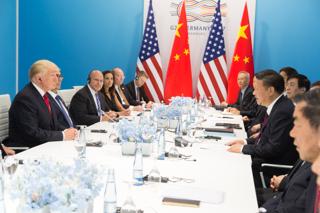
Nevertheless, high-level meetings later in 2023, such as the San Francisco summit where Presidents Biden and Xi met face-to-face, signified a mutual understanding of the imperative to stabilize the relationship despite deep disagreements. They agreed to resume military-to-military communications, which are vital for mitigating miscalculations in tense areas like Taiwan and the South China Sea. Additionally, creating working groups focused on artificial intelligence risks signals acknowledgment of emerging domains where accidents or rivalries could trigger broad security challenges. While diplomatic efforts provide essential platforms to reduce the risk of conflict, they operate within a climate of mutual suspicion and mistrust owing to decades of competitive posturing and broken promises.
Technological cooperation remains particularly contentious. Calls for U.S.-China AI collaboration face skepticism given a history of unmet commitments and divergent strategic goals. While cooperation could hypothetically prevent accidental conflict or misuse of emerging technologies, past episodes of intellectual property theft and espionage have hardened attitudes in Washington, where concerns about safeguarding American innovation and security continue to trump hopes of partnership. This tension is emblematic of the broader adversarial relationship, which blends areas of confrontation with pragmatic dialogue, as documented in our coverage of U.S.-China AI interactions.
Moreover, election security concerns have intensified with documented instances of attempts by Beijing-affiliated actors to exploit vulnerabilities in U.S. voting systems and political processes. The Department of Homeland Security’s move to link election security grants to rigorous audits and safeguards reflects a harder stance to protect democratic integrity. Fears about components made in China embedded in voting machines and efforts to manipulate political funding channels underscore how deeply China's influence reaches into core American institutions. Congressional probes continue to investigate China-linked donations that might skew domestic political dynamics, a theme central to recent election cycle controversies covered by our report on China-linked campaign donations.
Economic Interdependence and Strategic Competition
Despite escalating political tensions, economic ties between the United States and China remain deeply intertwined and increasingly complex. U.S. companies maintain substantial exposure in the Chinese market, with nearly $98 billion in investments and over 1,900 American enterprises operating there recently, making disentanglement difficult. This economic interdependence is a double-edged sword—while American businesses profit from access to China, reliance on Chinese manufacturing and supply chains for critical technologies creates strategic vulnerabilities. Policymakers face the delicate challenge of protecting economic interests without enabling dependency on an adversarial power.
Trade relations continue to be a major battleground. Washington has repeatedly condemned China’s state-driven economic model, which includes tariff and non-tariff barriers, subsidies to domestic firms, and intellectual property abuses that hinder fair competition. Tariffs, sanctions, and export controls have become standard tools to counter what U.S. officials term as unfair trade practices and technology theft. In response, China pushes back against U.S. restrictions, advocating for more stable investment conditions and equitable treatment of foreign enterprises. These dynamics create a cycle of tension that both powers manage cautiously, as each recognizes mutual dependence despite the rivalry—a factor demonstrated in recent diplomatic overtures and negotiations involving trade and AI.
Technology represents the most decisive front of this economic rivalry. China has made massive investments in cutting-edge fields like artificial intelligence, 5G networks, quantum computing, and biotechnology. National security officials warn that Beijing’s control over emerging technologies could enable not only economic domination but also military and intelligence advantages against the U.S. The potential diversion of these technologies for military or biological warfare underscores the gravity of the competition, as revealed in investigations such as the Anthropic report on AI misuse. American efforts focus on safeguarding innovation hubs and critical supply chains while pushing for allied cooperation to maintain a technological edge.
National Security Concerns and Espionage Threats
U.S. intelligence and law enforcement communities have elevated concerns about Chinese espionage. Cyberattacks targeting American technology firms, government networks, and political infrastructure have been numerous and sophisticated, highlighting Beijing’s commitment to covert operations. Notable cases include efforts to infiltrate research labs, corporate hacking, and the arrest of Chinese agents abroad. For example, the detention of a U.S. scientist on espionage charges in China, as well as the arrest of a Canadian NATO intern for spying on Beijing’s behalf, expose the broad and invasive nature of these intelligence campaigns, covered in our detailed reports on espionage arrests.
Cybersecurity poses a paramount vulnerability, particularly concerning critical infrastructure and democratic processes. Persistent cyber intrusions attributed to Chinese actors enhance Beijing’s ability to collect sensitive intelligence, disrupt adversarial operations, and potentially influence domestic political outcomes. American officials worry about concealed hacking campaigns aimed at voter databases, government agencies, and essential services, intensifying calls for election security reforms and transparency in voting technologies as reflected in the DHS’s policy to tie election grants to audits.
China’s espionage extends beyond technical means into ideological and social spheres, employing hybrid warfare tactics such as influence campaigns designed to stoke domestic discord within the U.S. Intelligence documents reveal attempts to exacerbate social unrest stemming from movements like the 2020 protests, aiming to weaken democratic cohesion without direct conflict. Such strategies represent a focused effort to degrade American resolve and democratic values by leveraging internal divisions and misinformation, as detailed in our coverage of intelligence findings on social unrest.
China's Impact on Immigration, Culture, and Education
China’s influence reaches into American society through immigration patterns and cultural institutions. Debates concerning Chinese student visas and academic exchanges underscore the tension between promoting openness and guarding against espionage and intellectual property exfiltration. Advocates argue that education and exchange programs foster mutual understanding and economically benefit American universities, while critics emphasize the risks posed by some Chinese nationals linked to the government or military, which informed discussions reported in pieces on expanding Chinese student visas and calls for reciprocity in tuition policies.
Beyond academia, Chinese government-linked entities actively attempt to control narratives abroad, deploying intimidation and censorship tactics to influence media and cultural events. For example, threats and coercive actions have led to canceled film festivals and silenced dissenting voices in the cultural sector, reinforcing fears of covert influence operations. The harsh crackdown on pro-democracy activists in Hong Kong, such as the imprisonment of Jimmy Lai, sends an unmistakable message to global audiences about Beijing’s intolerance of political opposition and its willingness to export these practices internationally—as captured in our reports on Jimmy Lai’s sentencing.
These social and cultural factors highlight the challenge of engaging with a state intent on projecting its authoritarian values worldwide while simultaneously pursuing strategic dominance. Such efforts complicate the American approach, which must balance respect for openness with vigilance against foreign influence and coercion.
Conclusion: Facing the Challenge of a Complex Adversary
China’s multifaceted rise is unlike traditional Cold War adversaries who followed clearer ideological and military competition lines. Instead, Beijing combines economic coercion, espionage, and assertive diplomacy with selective cooperation efforts, presenting a unique strategic challenge to the United States. Effectively countering this requires maintaining vigilance against efforts to undermine democratic institutions, stealing American technological advantages, and dominating critical markets.
Simultaneously, the U.S. must keep open communication channels in critical areas to manage risks, prevent military confrontations, and coordinate on emerging global challenges, such as artificial intelligence safety. Recent engagements like the San Francisco summit demonstrate the necessity—and difficulty—of such diplomacy. Crafting a calibrated strategy that simultaneously protects American interests, secures crucial infrastructure, and reinforces alliances in the Indo-Pacific and beyond is vital to counterbalance China’s growing global footprint and preserve a free and stable international order.
For further insights into the ongoing struggle for influence, see our coverage on the Trump administration’s strategy to counter Beijing in Central America and how election security concerns have led DHS to firm regulations linking grants to audits with concerns over Chinese voting machines. The complicated prospects and skepticism around technological cooperation are explored in our detailed discussion of U.S.-China AI relations.
Understanding the scope and depth of China’s influence and the multifarious ways it challenges American interests is crucial for policymakers, national security experts, and the public alike.
Frequently asked questions
Why is the U.S. concerned about China’s economic policies?
The U.S. views China’s state subsidies and trade restrictions as unfair advantages that distort global markets and hurt American businesses.
What are the main security threats posed by China?
Key threats include espionage, cyberattacks, military expansion near Taiwan, and attempts to influence U.S. elections and society.
How do diplomatic talks with China impact tensions?
Talks can help reduce the risk of conflict by improving communication, but deep mistrust limits cooperation on key issues like AI and trade.
What role does technology competition play in U.S.-China relations?
Technology is a core battleground, with concerns over intellectual property theft, military uses of AI, and control over critical supply chains.
How does China influence immigration policies in the U.S.?
Debates over Chinese student visas and academic exchanges balance engagement with fears of espionage and intellectual property theft.
Can the U.S. and China cooperate on global challenges?
While cooperation is possible in areas like climate or public health, broader strategic rivalries often overshadow mutual interests.
What is the significance of election security in the context of China?
Ensuring election security protects democracy from foreign influence or sabotage, especially given documented attempts attributed to Chinese actors.
Timeline of our coverage
- 2026-09-25 — Iowa House Race Sees Both Sides Face Scrutiny Over China-Linked Donations
- 2026-09-21 — Calls for U.S.-China AI Cooperation Face Skepticism Amid History of Unmet Commitments
- 2026-09-20 — Trump to Host Xi Jinping for State Visit Amid Trade, AI, and Iran Disputes
- 2026-09-12 — Anthropic Report Details Foreign Misuse of AI for Weapons and Biological Research
- 2026-08-27 — DHS Ties Election Security Grants to Audits Amid Concerns Over China-Made Voting Machine Parts
- 2026-08-24 — Chinese Social Media Reflects Impact of Trump Administration’s Birth Tourism Crackdown
- 2026-08-11 — Canadian NATO Intern Arrested in Belgium on Espionage Charges for China
- 2026-08-01 — Trump Administration Plans $175 Million Push to Counter China in Central America
- 2026-07-29 — Trump Weighs New AI Controls After OpenAI Model Breach
- 2026-07-24 — U.S. Scientist Youlin Chen Held in China on Espionage Charges Amid Nuclear Tensions
- 2026-07-19 — Colombia’s Incoming Foreign Minister Pledges Stronger U.S. Alliance, Pushback on China
- 2026-07-18 — Intelligence Documents: China Sought to Stoke 2020 BLM Riots to Undermine Trump
- 2026-07-17 — Trump Alleges China Hacked 220 Million U.S. Voter Files, Accuses Officials of Concealing Evidence
- 2026-06-09 — California's Partnership with Chinese University Raises Concerns Over Energy Policy
- 2026-05-15 — Trump Advocates for 500,000 Student Visas for Chinese Nationals Amid Criticism
- 2026-03-11 — Trump's Foreign Policy Challenges Xi's Vision for China
- 2026-02-09 — Hong Kong's Jimmy Lai Sentenced to 20 Years in Prison
- 2025-12-16 — Hong Kong Court Convicts Pro-Democracy Activist Jimmy Lai
- 2025-12-04 — 3 Countries That Should Be Next On Trump's Travel Ban List
- 2025-11-25 — Undermining National Security Is Nothing New For Mark Kelly
The Bottom Line
- China’s ambitions threaten to dismantle the current global balance where the U.S. plays a leading role.
- Economic and technological competition with China affects American jobs, security, and innovation leadership.
- Espionage and cyberattacks from China endanger U.S. national security and democratic processes.
- Understanding China’s tactics helps craft effective policies to counter its coercion and protect American interests.


Sources
- USTR Releases Annual Report on China's WTO Compliance
- 2023 Annual Report to Congress | U.S.-China Economic and Security Review Commission
- State.gov
- Cfr.org: Us China Relations
- Cfr.org: China Year Review 2023
- Uschina.org: How The Us China Relationship Evolved In 2023
- Brookings.edu: A Roadmap For Us China Relations In 2023
- Axios.com: China Confrontation Conflict Us (Mar 07, 2023)
- Axios.com: Us China Stabilizing Relations Communications Burns Qin (May 08, 2023)