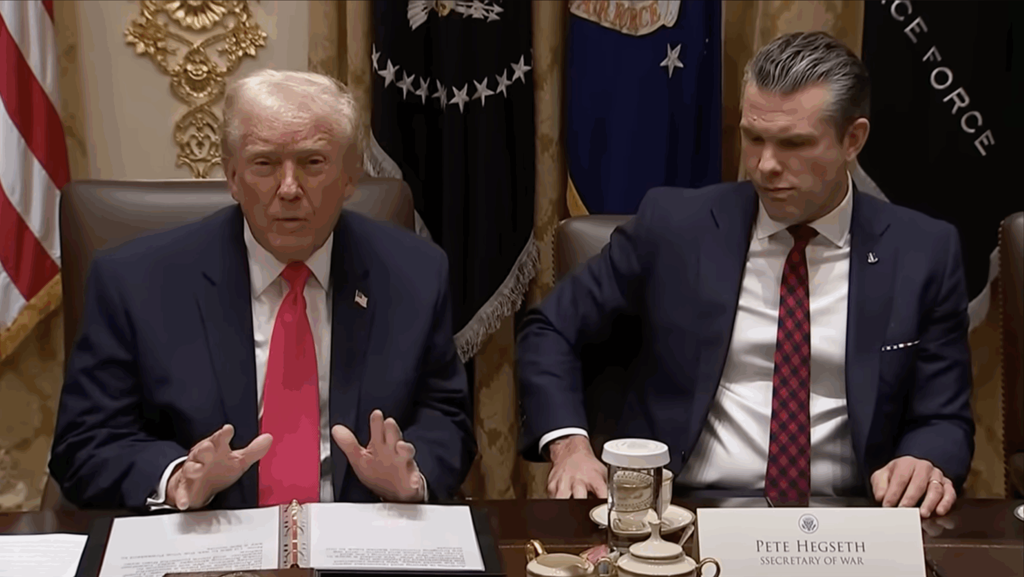
The Trump administration announced Tuesday it would halt immigration applications from 19 countries, citing national security concerns. Following a suspected terrorist attack in Washington D.C. allegedly involving an Afghan national, U.S. Citizenship and Immigration Services (USCIS) has placed a hold on asylum applications from these nations. The countries identified include Afghanistan, Burma, Chad, Republic of the Congo, Equatorial Guinea, Eritrea, Haiti, Iran, Libya, Somalia, Sudan, Yemen, Burundi, Cuba, Laos, Sierra Leone, Togo, Turkmenistan, and Venezuela.
Department of Homeland Security Secretary Kristi Noem emphasized the need for strict immigration controls, stating, "Our forefathers built this nation on blood, sweat, and the unyielding love of freedom—not for foreign invaders to slaughter our heroes." The administration's criteria for these countries is rooted in security concerns, particularly the inability to confirm proper vetting of immigrants.
In addition to the 19 countries, some analysts argue that Mexico, China, and India should also be considered for travel restrictions. According to a 2023 report from CNN, Mexicans represent the largest group of immigrants in the U.S., followed by India and China. The report highlights that a significant portion of these individuals may be living in the country without authorization.
Critics of immigration from Mexico point to incidents of civil unrest, where demonstrators displayed Mexican flags during protests against deportations. This has raised concerns about loyalty to U.S. laws and customs among some immigrant populations. Furthermore, there are claims that Mexico's ruling party has become increasingly intertwined with drug cartels, complicating the relationship between the two nations.
China's inclusion on any travel ban list is also supported by recent events, including espionage activities and land purchases near sensitive military sites by Chinese nationals. The Chinese government's actions have raised alarms about national security, making a case for stricter immigration policies.
India, while often praised for sending skilled workers to the U.S., has also been criticized for contributing to job displacement among American workers through visa programs. The cultural and social differences between India and the U.S. are cited as challenges to assimilation for immigrants from that country.
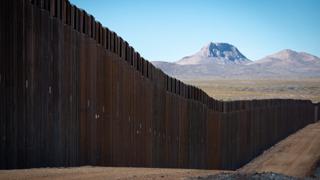
The Trump administration's decision to freeze immigration from 19 countries is viewed as a necessary measure, but the omission of Mexico, China, and India from this list has prompted calls for reconsideration. Advocates for stricter immigration policies argue that a complete moratorium on immigration may be necessary to protect American sovereignty and ensure that new arrivals can assimilate and contribute positively to society.