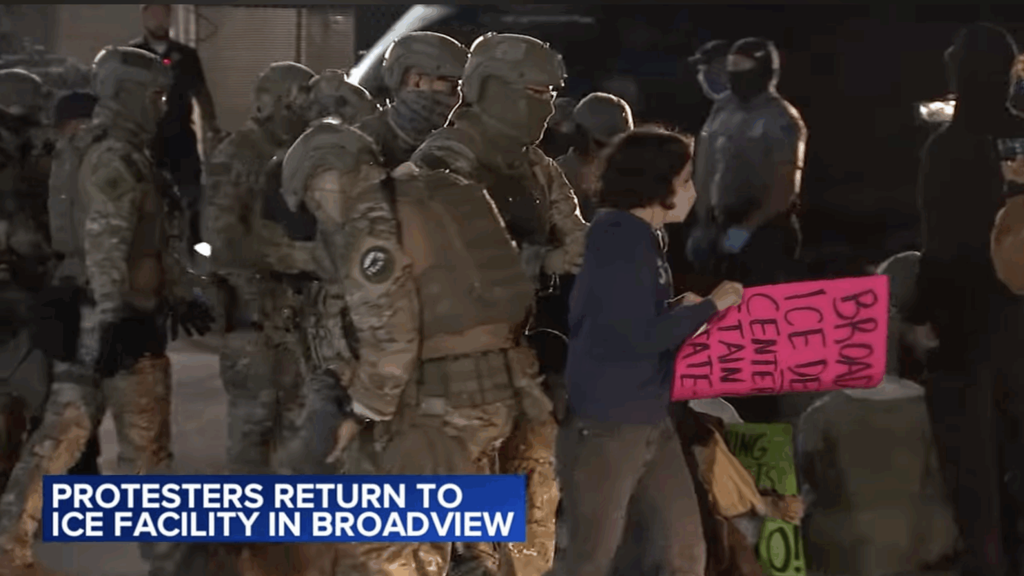
Critics of U.S. immigration enforcement have labeled the actions of Immigration and Customs Enforcement (ICE) as "cruel," arguing that the agency's operations disrupt families and communities. California Democrat Scott Peters described ICE raids as "cruel and wasteful," citing instances where undocumented workers were apprehended. Peters contended that the current administration's approach to immigration enforcement is misguided and detrimental to public trust in law enforcement.
Explainer Public Safety and Crime Trends in America: Understanding the Landscape
Gustavo Arellano, writing for the Los Angeles Times, echoed similar sentiments, stating that there is no humane way to deport individuals. He criticized the Trump administration's approach to immigration, suggesting it lacks compassion and humanity. The National Immigration Law Center has also condemned ICE's tactics, claiming they foster fear and suffering among immigrant communities.
However, proponents of strict immigration enforcement argue that the criticism stems from a misunderstanding of the law. They assert that those who enter the country illegally are subject to removal, and that the enforcement of these laws is necessary to maintain order. Critics of the current immigration policy point to a perceived history of Democrats ignoring immigration laws, which they argue has led to the current situation where enforcement is viewed as harsh.
The narrative surrounding family separation has been particularly contentious. Advocates for immigration reform argue that separating families is inhumane, while opponents maintain that individuals who violate immigration laws must face the consequences of their actions. They argue that parents who choose to enter the country illegally are aware of the risks involved, including potential deportation.
Recent media coverage has highlighted individual cases that illustrate the complexities of immigration enforcement. For instance, a Chicago man with legal residency received a fine for not carrying proof of his status, prompting outrage from some who viewed the enforcement as excessive. However, proponents of the law argue that it is a requirement under federal regulations, which had been infrequently enforced prior to the current administration.
Supporters of ICE's actions contend that the Biden administration's policies have exacerbated the immigration crisis by dismantling previous protections and allowing a surge of illegal immigration. They argue that the current enforcement actions are a necessary response to the challenges created by these policies.
As ICE continues to enforce immigration laws, the debate over the agency's role and the implications of its actions is likely to persist. Critics will continue to label these actions as cruel, while supporters will argue that they are essential for restoring law and order. The ongoing discourse reflects broader tensions in U.S. immigration policy and the differing perspectives on how best to address the challenges at the border.