Inside U.S. Immigration and Customs Enforcement: Law Enforcement, Controversies, and National Security
A comprehensive overview of U.S. Immigration and Customs Enforcement (ICE), its enforcement role, political debates, and national security impact amid ongoing immigration controversies.
Additional reporting by Theo Ramirez, April Clark
U.S. Immigration and Customs Enforcement, known as ICE, occupies a vital place in America’s law enforcement landscape, enforcing federal immigration laws and safeguarding the nation's borders from a host of illegal activities. Formed in 2003 under the Department of Homeland Security (DHS), ICE is one of the largest federal agencies charged with an expansive mission that includes immigration enforcement, customs investigations, and national security operations. Understanding ICE’s origins, mandate, and the controversies that have enveloped it is crucial for grasping the broader immigration debate in the United States today.
At the heart of ICE’s mandate is the enforcement of immigration law — identifying, arresting, detaining, and deporting unauthorized immigrants. Yet its responsibilities also extend to investigating and dismantling cross-border criminal enterprises that exploit immigration channels, such as human trafficking rings and narcotics smuggling. This dual role places ICE at the crossroads of homeland security and immigration policy, making it a frequent subject of heated political debate. This explainer seeks to provide a thorough, fact-based understanding of ICE’s operations, the challenges it faces, and the controversies that surround it.
The Origins and Mission of ICE
"Enforcement of immigration laws is about protecting American families and ensuring national security, not punishing vulnerable communities."
ICE was established by the Homeland Security Act of 2002, which reorganized federal agencies in response to the post-9/11 security landscape. The act dissolved the Immigration and Naturalization Service (INS) and the U.S. Customs Service, merging their enforcement components under DHS to create ICE. This consolidation aimed to create a streamlined federal approach to immigration and customs enforcement that could better coordinate activities domestically and internationally.
The agency’s structure is primarily divided into two directorates: Enforcement and Removal Operations (ERO) and Homeland Security Investigations (HSI). ERO focuses on locating unauthorized immigrants, arresting those who violate laws, maintaining detention operations, and facilitating their lawful removal. HSI’s broader mandate includes investigating criminal networks related to immigration, such as human trafficking, drug smuggling, financial crimes, and child exploitation. By maintaining these two arms, ICE balances direct immigration enforcement with more complex investigative activities that affect national security and public safety.
Despite ICE’s clearly defined operational roles, public perception often confuses or conflates its responsibilities, fueling division. Proponents emphasize ICE’s indispensable role in removing dangerous criminals and protecting communities from threats. Mark Morgan, former ICE Acting Director, asserts, "Enforcement of immigration laws is about protecting American families and ensuring national security, not punishing vulnerable communities." Conversely, critics highlight alleged abuses, focusing on human rights concerns and calling for reforms or abolition of the agency.
Enforcement Strategies and Operational Challenges
ICE’s enforcement tactics range from precision-targeted arrests of individuals with criminal records to large-scale removal operations aimed at reducing illegal immigration. One significant facet is cooperation with local law enforcement agencies under the Section 287(g) program, granting deputation powers to local officers to enforce immigration laws. While this partnership enhances enforcement capabilities, it raises disputes over jurisdictional authority and civil rights, with some cities and states rejecting collaboration to preserve community trust and restrain ICE’s reach.
Indeed, local police cooperation with ICE has increased in certain areas, as documented in our coverage of rising local police cooperation with ICE. This is a response to the perceived need among law enforcement professionals to detain criminals hiding within immigrant populations, attempting to balance security with community relations. Meanwhile, cities like Chicago have set up ICE-free zones, refusing federal cooperation on enforcement efforts, which underscores a growing tension between federal mandates and local autonomy in immigration enforcement policies.
Operationally, ICE also faces logistical and legal hurdles. Resource allocation is a persistent challenge; the agency must prioritize enforcement targets to focus on individuals posing threats to safety or national security while managing limited detention space and legal constraints. Recent efforts by DHS to crack down on fraudulent immigration lawyers signal a growing recognition of internal system vulnerabilities that ICE works to address. However, such initiatives often intensify tensions with immigrant advocacy groups who view these moves as additional barriers for immigrants seeking legal recourse.
ICE Detentions and the Human Impact
One of ICE’s most scrutinized functions is its detention system. Immigration detention centers have faced significant criticism for overcrowded conditions, inadequate medical care, and insufficient oversight. These concerns have been central to public debates about the morality and legality of detention practices, prompting activist pressure for reform or the outright abolition of immigration detention facilities.
The human cost of ICE detention is particularly acute when families are affected. Many detainees are parents of American-born children, and their detention often results in family separations, economic hardships, and emotional trauma. Our reporting highlights the impact of detentions on families, showcasing real stories of hardship that underpin broader calls for compassionate reform. Although ICE asserts detainee welfare provisions—such as medical screenings, access to legal representation, and protections for vulnerable populations—the agency regularly contends with lawsuits and congressional inquiries over detention standards.
Nevertheless, detention remains a key enforcement tool to prevent flight risk and ensure the successful removal of individuals deemed dangerous or in violation of immigration laws. Without detainment, removing unauthorized persons would be significantly more challenging, thus handicapping the broader immigration enforcement regime.
Political Controversies and Public Perception
ICE sits at the center of a highly polarized political and cultural debate. Conservatives emphasize ICE’s core role in upholding the rule of law, defending borders, and protecting American jobs and public safety. Polling data consistently shows strong voter support for deporting unauthorized immigrants, reflecting the public’s expectation that border security and immigration enforcement remain priorities for elected officials, especially in the face of midterm election pressures.
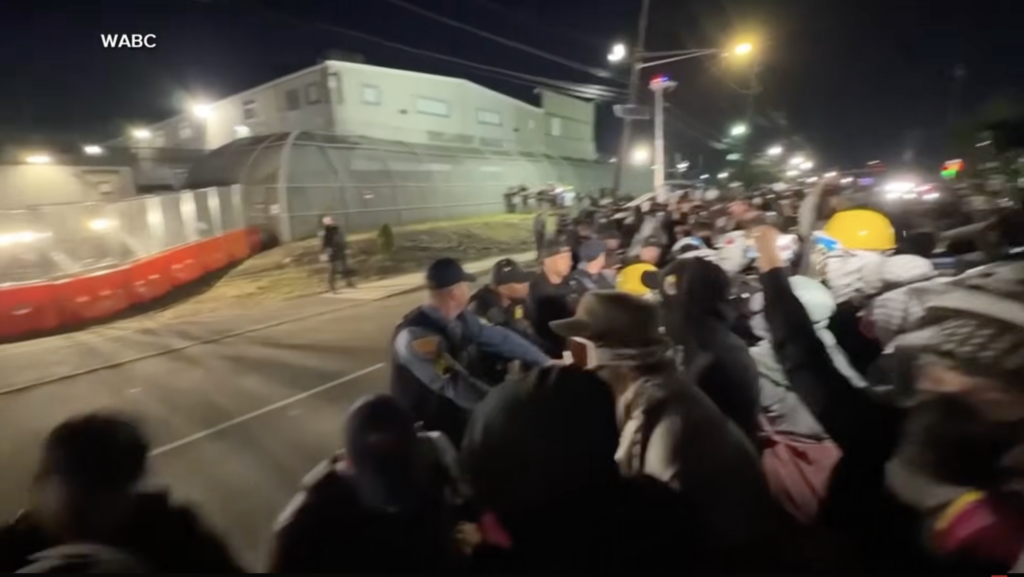
Conversely, liberal critics view ICE as a symbol of harsh immigration policy, accusing it of militarized enforcement tactics that terrorize immigrant families, encourage racial profiling, and exacerbate social divisions. Some media outlets amplify these viewpoints, with coverage of protests sometimes escalating tensions. For example, following riots reported in New Jersey, authorities arrested protesters outside an ICE facility, capturing the deeply charged environment surrounding enforcement activities (New Jersey arrests during ICE protests).
The political struggle extends to congressional battles over DHS funding. Republicans in the House and Senate often clash over the size and conditions attached to ICE’s budget, reflecting divergent immigration enforcement priorities. The House Republicans’ rejection of a Senate DHS funding deal is emblematic of this discord, as conservatives demand robust funding for enforcement, while Democrats frequently seek to impose restrictions to limit ICE’s authority. These debates reveal how ICE’s operational future is a proxy for broader immigration policy conflicts.
National Security and ICE’s Expanding Enforcement Role
ICE’s Homeland Security Investigations division is pivotal in extending the agency’s reach beyond immigration violations to combating national security threats. These investigations target human trafficking, child exploitation, narco-smuggling, and financial crimes that exploit vulnerable immigrant populations and illicit networks. Such efforts play a significant role in dismantling criminal enterprises that not only harm immigrants but also threaten public safety more broadly.
Recent ICE operations have focused heavily on deporting predators and abusers, including individuals targeting children, illustrating the agency’s law enforcement commitment beyond immigration statistics. As detailed in our story on ICE’s latest deportations of child abusers, this approach aligns ICE’s objectives closely with community protection and moral imperatives embraced by many conservatives.
However, expanding the agency’s investigative responsibilities presents inter-agency coordination challenges, particularly with the FBI, DEA, and other federal partners. ICE must carefully navigate complex legal and constitutional considerations, balancing aggressive enforcement with respect for civil liberties. Managing these tensions is crucial to maintaining the legitimacy and effectiveness of ICE's increasingly multifaceted mission.
Media Narratives, Public Protests, and ICE’s Cultural Battles
ICE’s role makes it a focal point in the national battle over immigration’s cultural narrative. Some media platforms and advocacy groups collaborate closely to organize anti-ICE campaigns, contributing to heightened social tensions and unrest. Coverage about mainstream media’s roles in anti-ICE operations illustrates how media activism can amplify opposition to ICE enforcement, shaping public opinion against the agency.
Conversely, conservative voices have sought to counteract these narratives through cultural and educational efforts that illustrate law enforcement’s difficult role and the importance of secure borders. These efforts reflect a strategic attempt to restore balance and promote law and order amid pervasive criticism.
Protests targeting ICE have occasionally escalated to confrontations and violence, including incidents like those in Minneapolis where protests erupted over ICE signage removal. While peaceful dissent is a democratic right, lawmakers and law enforcement warn that threats and assaults on ICE agents directly compromise public safety and undermine the rule of law.
Balancing National Interest and Compassionate Enforcement
ICE confronts the daunting task of enforcing immigration laws firmly yet fairly within a politically and emotionally charged environment. Conservatives advocate that legal enforcement is necessary not only for sovereignty but also for protecting American citizens and ensuring orderly immigration. As one lawmaker has articulated, enforcement safeguards communities and supports lawful immigration channels.
Nonetheless, legitimate humanitarian concerns—especially around family separations and detention conditions—demand continuous attention from ICE and policymakers. Conservatives generally support oversight and reform efforts that enhance transparency and fairness, provided they do not weaken ICE’s ability to fulfill its primary mission. The agency’s future effectiveness depends on confronting inaccurate media portrayals while responsibly addressing valid critiques about detainee treatment and procedural protections.
As immigration remains a defining issue in U.S. policy debates, ICE’s operational integrity and adaptability will be key to bridging divides. Thoughtful policies that recognize both enforcement imperatives and humanitarian principles can foster a secure and just immigration system that serves the national interest.
For a fuller picture of ICE’s challenges and enforcement realities, see our report on arrests following protests near ICE facilities in New Jersey, which highlights enforcement risks in volatile settings. Additionally, the DHS crackdown on fraudulent immigration lawyers underscores the agency's ongoing efforts to uphold the system’s legality.
Frequently asked questions
What does ICE actually do?
ICE enforces federal immigration laws through detaining and removing unauthorized immigrants, and investigates related criminal activities such as human trafficking and fraud.
Is ICE only focused on deportations?
No, while removal of unauthorized immigrants is a key role, ICE’s Homeland Security Investigations also tackles broader national security threats related to immigration.
Why is ICE so controversial?
ICE is controversial because immigration enforcement involves difficult legal and moral questions, and the agency’s actions impact families, communities, and are often politicized.
How does ICE work with local police?
ICE collaborates with local law enforcement through deputization programs, but some jurisdictions resist cooperation, complicating enforcement efforts.
Are ICE detention centers humane?
ICE detention centers have faced repeated criticism about conditions; the agency insists on standards but faces ongoing calls for reform.
What is the political impact of ICE funding debates?
ICE funding battles in Congress affect the agency’s ability to enforce laws, and signal broader partisan divides on immigration policy.
Does ICE focus on criminals only?
ICE prioritizes arresting immigrants with criminal records or national security risks, though many non-criminal undocumented individuals are also subject to removal.
Timeline of our coverage
- 2026-06-01 — New Jersey Riots Lead to Arrests of Protesters Outside ICE Facility
- 2026-05-27 — DHS Targets Immigration Lawyers in Fraud Crackdown
- 2026-05-13 — Washington Post Highlights Impact of Immigration Detentions on Families
- 2026-04-30 — NY Times Says If Affirmative Action Is Illegal, So Is Immigration Law
- 2026-03-30 — Senate GOP Faces Criticism Over DHS Funding and Midterm Strategy
- 2026-03-27 — House Republicans Reject Senate Deal on DHS Funding Amid Immigration Enforcement Concerns
- 2026-03-23 — Pritzker Signals He Won't Honor ICE Detainer for Accused College Student Killer
- 2026-02-18 — Local Police Cooperation with ICE Increases Amid Protests
- 2026-02-12 — ICE Drawdown in Minneapolis Signals Shift in Immigration Enforcement Focus
- 2026-02-06 — Protests Erupt at Minneapolis Yoga Studio Over ICE Sign Removal
- 2026-02-05 — Democratic Leaders Propose Conditions for DHS Funding Amid Immigration Debate
- 2026-02-04 — Protests in Minneapolis Highlight Contradictions in Immigration Policy Debate
- 2026-02-03 — Criticism of ICE Agents Escalates Amid Protests in Minnesota
- 2026-02-02 — Poll Shows Strong Support for Deporting Unauthorized Immigrants Ahead of 2026 Midterms
- 2026-01-29 — Trump's Immigration Agenda Faces New Challenges Amid Protests
- 2026-01-28 — Social Media Outrage Follows ICE-Related Shootings in Minneapolis
- 2026-01-27 — Debate Erupts Over Activists' Deaths Amid Rising Violence Against ICE
- 2026-01-26 — Shooting in Minneapolis Raises Tensions Over Immigration Enforcement
- 2026-01-26 — Fatal Confrontation in Minneapolis Raises Concerns Over Immigration Enforcement Climate
The Bottom Line
- ICE is the primary federal agency tasked with enforcing U.S. immigration laws and securing the nation’s borders.
- The agency’s operations directly impact national security, public safety, and immigration system integrity.
- Polarized public and political opinions about ICE shape broader debates on immigration policy and enforcement funding.
- Understanding ICE’s role clarifies misconceptions and informs policy discussions grounded in law and order.