Understanding Immigration Protests: Causes, Impacts, and Policy Implications
An in-depth look at immigration protests in America, their roots, consequences, and the ongoing debate shaping national policy and public safety.
Additional reporting by Liam Walker, April Clark
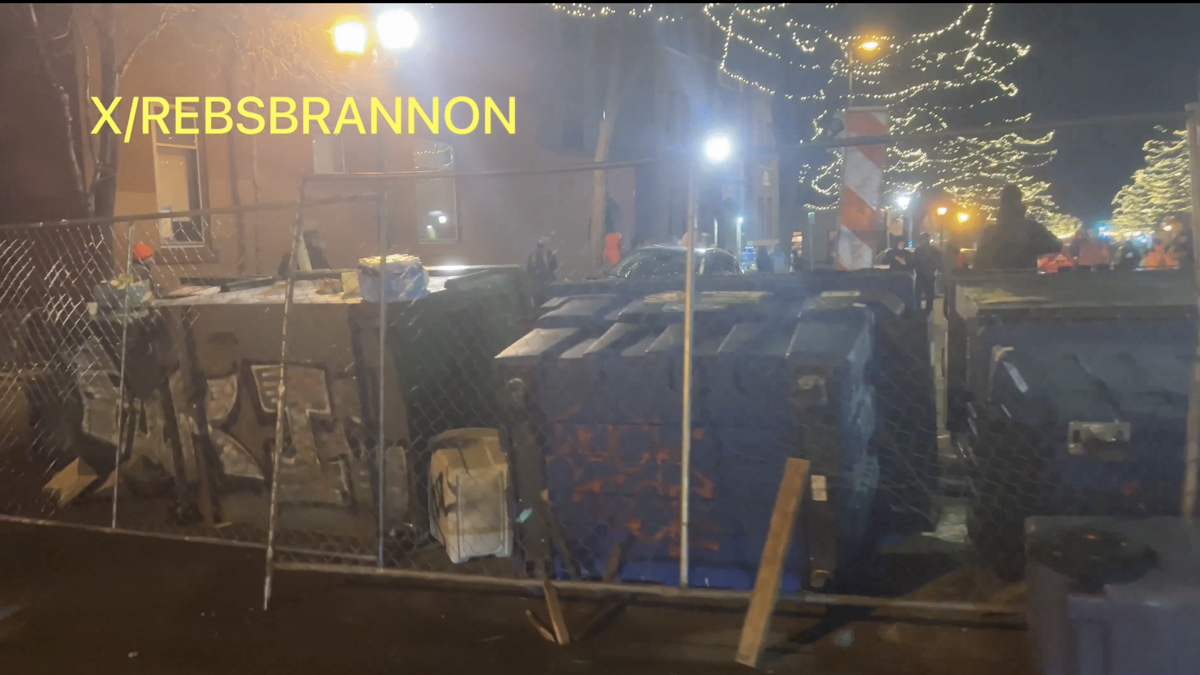
Immigration protests have become prominent and often contentious expressions within the broader national debate surrounding border security, immigration enforcement, and policy reform. These demonstrations, which occur across the United States and sometimes attract international attention, highlight deep fissures not only about illegal immigration but also regarding the appropriate roles and responsibilities of law enforcement, federal agencies, and local communities.
From relatively peaceful rallies advocating expanded immigrant protections to violent confrontations outside detention facilities, immigration protests serve as a lens into the ongoing debate over national sovereignty, human rights, and the preservation of public order. For policymakers, law enforcement, and informed citizens alike, it is crucial to grasp the causes, dynamics, and consequences of these protests to craft immigration policies that uphold security without ignoring humanitarian concerns.
The Roots of Immigration Protests and Their Political Context
"Immigration protests reveal that without secure borders and consistent enforcement, lawlessness and unrest threaten both communities and the rule of law."
Immigration protests are frequently sparked by government actions perceived as harsh or unjust towards immigrants, including both legal residents and undocumented individuals. ICE raids, detention practices, and deportation measures often serve as flashpoints, provoking demonstrations that emphasize humanitarian issues and opposition to the enforcement approach. These protests reflect frustration with perceived overreach by federal authorities and the human impact of enforcement policies.
The political context further amplifies these divisions. Some cities and states adopt sanctuary policies limiting cooperation with ICE, which intensifies clashes between localities emphasizing community safety and federal officials emphasizing law enforcement and border security. The debate is starkly polarized: conservatives prioritize the rule of law and border integrity, while many on the left focus on immigrant rights and the pursuit of pathways to citizenship. These ideological differences underlie the frequency and fervor of immigration protests across the country.
Beyond the immediate policy disputes, immigration protests also mirror deeper cultural and demographic concerns. For many conservatives, these protests underscore anxieties about illegal immigration's impact on jobs, public resources, and legal norms. On the other side, immigrant advocates frame protests as calls for justice, equality, and compassion—drawing on personal stories and civil rights traditions that resonate with broader calls for inclusion and fairness.
Law Enforcement Challenges and Responses to Immigration Demonstrations
Immigration-related protests pose unique challenges for law enforcement agencies, which must balance the enforcement of laws and maintenance of public safety with protecting constitutional rights, including the right to peaceful assembly. Police departments often find themselves navigating a narrow path to prevent violence, property damage, or attacks on federal facilities, while avoiding accusations of excessive or politically motivated force.
The decision by New York City’s mayor to disband the NYPD Strategic Response Group (SRG)—an elite unit previously charged with both protest policing and counterterrorism—reflects growing concerns over the militarization of police in dealing with demonstrations. The restructuring prioritizes community dialogue and de-escalation, with newly formed civilian-led units like the Community Dialogue and De-escalation Division tackling protest communications and engagement. This shift embodies a national trend seeking to reform how police mediate heated protests related to immigration and other divisive social issues.NYC Mayor Mamdani Moves to Disband NYPD Strategic Response Group
Nonetheless, not all immigration protests remain peaceful. Incidents such as the violent riots outside an ICE facility in New Jersey, which resulted in multiple arrests, illustrate the volatile potential of these gatherings and the pressure on police to respond swiftly.New Jersey Riots Lead to Arrests of Protesters Outside ICE Facility This scenario spotlights a persistent dilemma: enforcing law and order without suppressing lawful dissent.
Adding complexity to law enforcement responses are concerns about extremist groups or foreign actors exploiting immigration protests to incite unrest and undermine democratic processes. Some reports suggest coordinated attempts by ideological groups to provoke federal crackdowns during election cycles, thereby heightening social tensions and eroding trust in government institutions.Report Alleges DSA-Linked Groups Plan Election-Year Unrest to Provoke Federal Response
The Impact of Immigration Protests on Communities and National Security
The effects of immigration protests reach far beyond the protest sites themselves. Communities hosting protests near ICE facilities or immigration courts often face operational disruptions that delay enforcement actions. This frustrates officials and citizens who view immigration laws as essential to public safety and order.
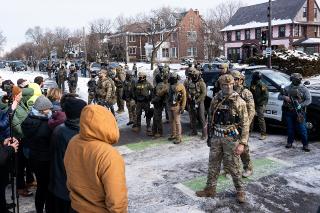
Furthermore, protests can escalate into violent confrontations demanding costly police interventions and causing property damage and personal injury. The unrest in Minneapolis over immigration enforcement policy underscored tensions and contradictions within communities that seek both secure borders and immigrant integration.Protests in Minneapolis Highlight Contradictions in Immigration Policy Debate Such conflicts strain community cohesion and raise difficult questions about policy priorities.
In some cases, violent episodes linked to immigration protests raise serious concerns about terrorism and civil disorder. For example, a homemade bomb attack at a New York City protest demonstrated the lengths to which certain dissenters might go to escalate conflict—and the imperative for law enforcement to anticipate and thwart such threats.‘Homemade Bomb’ Thrown at NYC Protest, Authorities Investigate Possible Terrorism
National security experts also warn about foreign or extremist exploitation of immigration unrest. The broader geopolitical dimension is evident in the violent immigration-related riots in France, which led to government-imposed curfews—illustrating how immigration tensions can spiral into dangerous social instability with global repercussions.France Orders Curfews in Major Cities After Widespread Riots
Policy Debates and the Role of Federal and State Governments
Immigration protests are emblematic of the fragmented and contentious policy environment in the U.S., where federal, state, and local governments often clash on immigration enforcement. The discord between federal ICE operations and sanctuary city policies has become a central flashpoint, complicating enforcement efforts and sowing confusion.
From a conservative standpoint, effective immigration policy demands unequivocal federal authority over border security and robust enforcement of immigration laws to safeguard sovereignty and rule of law. The regular disruptions caused by protests hinder vital enforcement and embolden illegal entry, undermining public trust in government’s ability to control immigration.
Opponents of stringent enforcement emphasize the humanitarian implications of harsh immigration measures and argue for more inclusive policies that recognize the economic contributions and civil rights of immigrants. However, the repetition of protests and the persistence of unrest reveal a failure to achieve consensus or balance, underscoring the urgent need for comprehensive reforms addressing both enforcement and immigration system fairness.
In response to the influence of foreign funding and ideological groups on immigration protests, legislative proposals have emerged to require such organizers to register as foreign agents. This aims to enhance transparency and protect domestic political processes from manipulative interference.Make 'Protesters' Paid By Foreign Groups Register Like Foreign Agents The measure reflects a broader conservative call for safeguarding national sovereignty in the face of foreign and extremist exploitation of immigration debates.
Navigating Free Speech and Public Order in Immigration Protests
Balancing constitutional free speech rights with the imperative to maintain public order is a delicate challenge in managing immigration protests. While peaceful protest is a protected form of political expression, outbreaks of violence, vandalism, or obstruction of official functions require measured police intervention.
Progressive reforms in cities like New York, which emphasize de-escalation, community dialogue, and communication teams over aggressive crowd control, represent an evolving approach to this balance. These policies aim to protect First Amendment rights while safeguarding citizens and infrastructure during contentious demonstrations.
Nevertheless, criticism persists on multiple fronts. Some conservatives argue law enforcement actions are too lenient, allowing protests to disrupt public order and encourage illegal activity, while some activists claim overreach and suppression of legitimate dissent. This polarization is evident in situations like the Minneapolis protests over ICE signage, where community divisions complicate responses and fuel ongoing conflict.Protests Erupt at Minneapolis Yoga Studio Over ICE Sign Removal
Maintaining this balance remains one of the most complex aspects of modern governance, where rights, safety, and identity are all at stake in the immigration debate.
Frequently asked questions
Why do immigration protests often lead to clashes with law enforcement?
Clashes typically arise due to heightened emotions, conflicting goals between protesters and authorities, and the challenge of balancing constitutional rights with public order.
What role does ICE enforcement play in sparking protests?
ICE raids and detentions frequently serve as direct triggers for protests, as activists oppose aggressive immigration enforcement tactics they view as unjust.
Are immigration protests protected under the First Amendment?
Yes, peaceful protests are protected free speech, but demonstrations that involve violence or illegal activity may face legal restrictions.
How are police responses to immigration protests changing?
There is a shift towards using community dialogue, de-escalation teams, and limiting aggressive crowd control to better respect protesters' rights and reduce violence.
Do foreign groups influence immigration protests in the U.S.?
Evidence suggests some protests are coordinated or financed by ideologically motivated foreign or domestic groups seeking to destabilize political processes.
What is a sanctuary city and how does it relate to protests?
Sanctuary cities limit cooperation with federal immigration enforcement, often prompting protests both in support of and opposition to these policies.
How do immigration protests affect local communities?
Protests can cause disruptions to daily life, increased tension, and costs related to law enforcement and property damage while also raising awareness of immigration issues.
Timeline of our coverage
- 2026-11-18 — NYC Mayor Mamdani Moves to Disband NYPD Strategic Response Group
- 2026-10-23 — Report Alleges DSA-Linked Groups Plan Election-Year Unrest to Provoke Federal Response
- 2026-10-19 — France Orders Curfews in Major Cities After Widespread Riots
- 2026-06-01 — New Jersey Riots Lead to Arrests of Protesters Outside ICE Facility
- 2026-03-30 — Protests Erupt Over Federal Actions Amid Criticism of Democratic Opposition
- 2026-03-09 — 'Homemade Bomb' Thrown at NYC Protest, Authorities Investigate Possible Terrorism
- 2026-02-06 — Protests Erupt at Minneapolis Yoga Studio Over ICE Sign Removal
- 2026-02-04 — Protests in Minneapolis Highlight Contradictions in Immigration Policy Debate
- 2026-02-03 — Criticism of ICE Agents Escalates Amid Protests in Minnesota
- 2026-01-19 — Don Lemon Faces Backlash After Church Disruption with Activists
- 2026-01-19 — Minneapolis Faces Unrest Amid Allegations of Insurrection
- 2025-10-30 — Alleged Rape of 10-Year-Old Girl Near Dublin Sparks Protests
- 2025-10-17 — ‘No Kings’ Protests Scheduled Across the U.S. Amid Claims of Democratic Defense
- 2025-10-03 — DOJ Launches Investigation into Portland Police Practices Amid Antifa Protests
- 2025-10-03 — Portland Police Arrest Journalist Amid Protests, Prompting Investigation
- 2025-09-26 — Make 'Protesters' Paid By Foreign Groups Register Like Foreign Agents
The Bottom Line
- Immigration protests highlight the deep national divide over border security and immigration enforcement.
- Frequent protests and riots strain law enforcement resources and disrupt immigration operations.
- They demonstrate the tension between protecting constitutional rights and ensuring public safety.
- The protests expose vulnerabilities to extremist exploitation and foreign influence in domestic affairs.
Sources
- Mayor Mamdani and Police Commissioner Tisch Disband NYPD’s Strategic Response Group
- USCIS
- Theguardian.com: Nypd Strategic Response Group Mamdani
- Nbcnewyork.com: 6571987
- Ny1.com: Mamdani Disbands Controversial Nypd Unit Responsible For Protest Response (Nov 16, 2026)
- Fox5ny.com: Nypd Strategic Response Group Disbanded Mamdani Tisch
- Nbcnewyork.com: 6572816
- Amny.com: Mamdani Disband Srg Nypd Tischs Backing