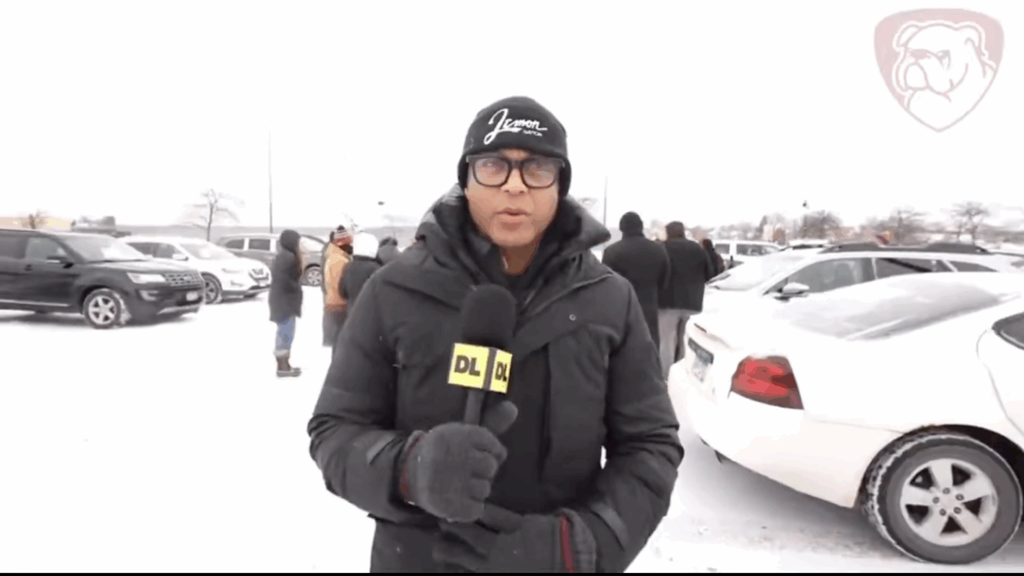
Don Lemon, a prominent CNN anchor, faced significant backlash after his involvement in a disruption at a St. Paul church during a Sunday service. Reports indicate that Lemon was embedded with a group of anti-ICE activists who interrupted the prayer service, chanting slogans against the Immigration and Customs Enforcement agency while live streaming the incident. This event has ignited a heated debate regarding the boundaries of journalism and activism, with critics arguing that Lemon's actions crossed a critical line. Conversely, supporters of Lemon contend that the First Amendment protects the right to protest, even in places of worship, raising questions about the intersection of free speech and religious practice.
Explainer Free Speech Battles: Courts, Censorship, and Cultural Conflicts
Incident Details
During the disruption, Lemon explained to his viewers that the group, which included activists such as Nekima Armstrong and Daunte Wright, had planned what they referred to as "Operation Pull-Up." He stated, "These activists surprise people, catch them off-guard, and hold them to account," suggesting that the operation was a form of accountability journalism. However, many observers have questioned whether this approach constitutes legitimate reporting or if it amounts to activism. As the protest unfolded, Lemon confronted the church's pastor, asserting that the actions of the activists were protected under the First Amendment. Critics have pointed out that while the First Amendment guarantees freedom of speech, it also protects the right to practice religion freely, a right that was reportedly disrupted during the service.
Key Details
Reactions and Criticism
Background and Reactions
The incident has drawn ire from various quarters, including Assistant Attorney General Harmeet Dhillon, who suggested that Lemon's claims of conducting journalism do not absolve him from potential legal repercussions for his involvement with the activists. Dhillon stated during an appearance on The Benny Show, "Claiming he was merely 'committing journalism' does not necessarily prevent him from being charged for being 'embedded' with those agitators." Lemon later attempted to clarify his role, stating, "I had no affiliations with that organization. I didn’t even know they were going to this church until we followed them. We were there chronicling protests." He characterized his actions as reporting on the protest and engaging with those involved, including the pastor and church members, attempting to distance himself from the activists' agenda.
Broader Media Context
This incident is not isolated; it reflects a broader trend in media where some outlets are accused of blurring the lines between journalism and activism. Critics argue that Lemon's behavior exemplifies a larger issue within the corporate media landscape, which they claim often serves as a mouthpiece for leftist agendas. For instance, Minnesota Governor Tim Walz has faced little scrutiny from the media despite serious allegations of fraud during his administration, while his debate performances have been praised. Furthermore, some media outlets have been criticized for framing stories in ways that align with partisan narratives, such as a recent Washington Post article that appeared to advance an anti-ICE agenda rather than inform the public. This trend raises concerns about the objectivity of reporting and the potential influence of activist agendas on journalistic integrity.
Conclusion
The incident involving Don Lemon has reignited discussions about the role of journalists in covering protests and the ethical implications of their involvement. While supporters argue that Lemon was exercising his rights, critics maintain that his actions constitute a departure from traditional journalistic standards. As the debate continues, it remains to be seen how this incident will impact perceptions of media integrity and the responsibilities of journalists in politically charged environments. The ongoing discourse highlights the complexities of balancing activism and journalism, particularly in a landscape where public trust in media is increasingly scrutinized.