A recent report from The Federalist outlines what it claims are the top ten media hoaxes of 2025, suggesting a significant decline in public trust toward mainstream news organizations. The report argues that the media's handling of various stories has contributed to a perception of bias and misinformation, particularly surrounding political events and figures. This decline in trust reflects broader concerns about the integrity of news coverage and the role of media in shaping public opinion.
The core tension lies in the ongoing debate over media credibility, with critics asserting that certain outlets have prioritized narratives over factual reporting. This has led to a growing skepticism among the public regarding the integrity of news coverage. The Federalist's list includes incidents involving high-profile figures such as Elon Musk and President Joe Biden, alleging that the media has misrepresented facts to fit specific narratives. For instance, the report claims that Musk's gesture at a Trump inauguration event was mischaracterized as a fascist salute by outlets like PBS News, raising questions about the accuracy of reporting in politically charged contexts.
Coverage of Political Figures
The report also highlights the media's portrayal of Pete Hegseth, the Secretary of Defense, suggesting that he has been the target of smear campaigns aimed at undermining his credibility. "Throughout his Senate confirmation battle, the media ran endless stories featuring anonymous sources alleging wrongdoing," the report states. This assertion points to a broader concern about the use of anonymous sources in journalism and the potential impact on public figures' reputations.
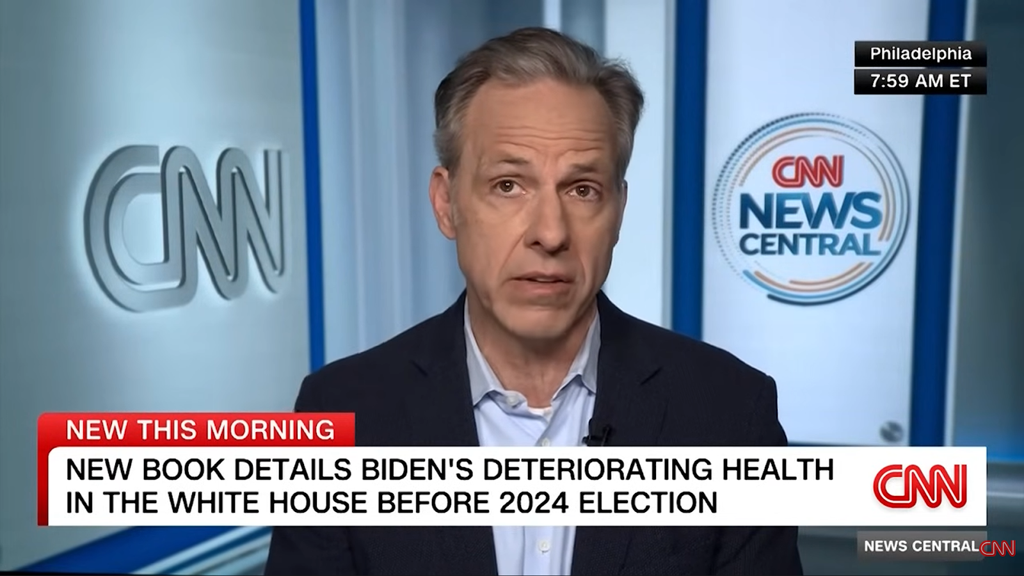
In another example, the report accuses the media of downplaying President Biden's cognitive decline, asserting that coverage was skewed to protect his image. The Federalist cites instances where journalists, including CNN's Jake Tapper, later acknowledged the decline only after Biden's presidency ended. This raises questions about the responsibilities of journalists in reporting on the health and fitness of political leaders, particularly when such issues may affect governance.
Immigration and Law Enforcement
The report criticizes media narratives surrounding immigration enforcement, particularly in the case of Kilmar Abrego Garcia, an alleged MS-13 gang member. It claims that media outlets misrepresented Garcia's deportation as an abduction of an innocent "Maryland man," failing to disclose his criminal background. An Associated Press headline is cited as an example of this misrepresentation, illustrating the complexities involved in reporting on immigration issues.
Supporters of the media argue that such portrayals are necessary to highlight systemic issues within immigration enforcement and to advocate for humane treatment of individuals involved. They contend that the media plays a critical role in shedding light on injustices within the system, even if the narratives sometimes provoke controversy.
Judicial Coverage and Political Violence
The Federalist also addresses the media's coverage of the U.S. Supreme Court, claiming that it has been part of a broader campaign to discredit conservative justices. The report suggests that the media has framed the Court's decisions as aligned with Trump's agenda, citing headlines that portray the justices as complicit in political actions. This perspective raises concerns about the objectivity of judicial reporting and the potential for bias in the portrayal of judicial decisions.
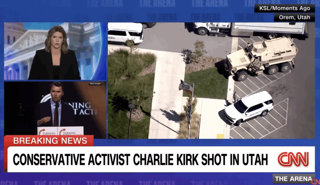
Additionally, the report mentions various incidents of violence attributed to leftist groups, arguing that the media has downplayed these events while exaggerating threats from right-wing individuals. Critics of this perspective contend that the media's role is to report on all forms of violence without bias, and that the focus should be on the actions of individuals rather than their political affiliations. This ongoing debate highlights the challenges faced by journalists in balancing the need for accurate reporting with the potential for political ramifications.
While The Federalist's report has sparked discussions about media integrity, it remains to be seen how mainstream outlets will respond to these allegations. Many media organizations have not publicly addressed the specific claims made in the report, leaving room for continued debate about the state of journalism in America. As the landscape of media continues to evolve, the question of credibility remains at the forefront of public discourse, with implications for both consumers of news and the institutions that produce it.