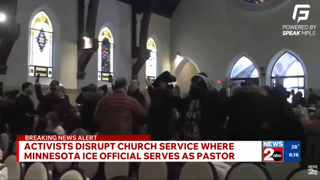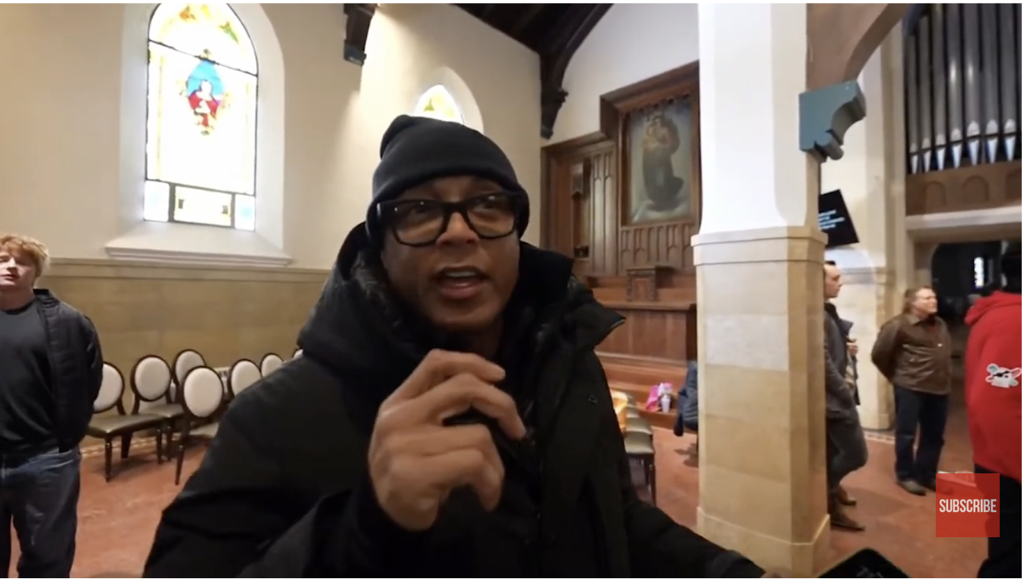
A group of protesters disrupted a church service at Cities Church in St. Paul, Minnesota, on Sunday, accusing a pastor of having ties to Immigration and Customs Enforcement (ICE). The incident drew significant media attention, particularly due to the presence of former CNN anchor Don Lemon, who was on-site to cover the event.
The disruption has sparked debate over the appropriateness of protests in places of worship and the role of journalists in such situations. Critics argue that the invasion of a church service violates the sanctity of religious gatherings, while supporters of the protest claim it was a necessary act of civil disobedience against ICE.
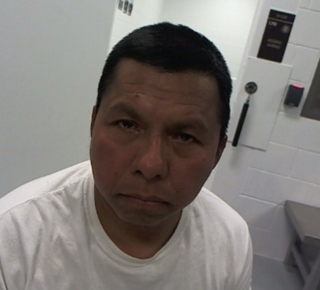
During the protest, attendees shouted slogans such as "ICE out!" and "Justice for Renee Good," referring to a woman who was fatally shot after allegedly striking an ICE agent with her vehicle. The protesters targeted the church because they believed Pastor David Easterwood was the acting director of ICE in St. Paul, a claim he has denied.
Key Details
Pastor Jonathan Parnell condemned the protest, stating, "This is unacceptable. This is shameful. It’s shameful to interrupt a public gathering of Christians in worship." His remarks reflect a growing concern among religious leaders about the impact of political protests on places of worship.
Background and Reactions
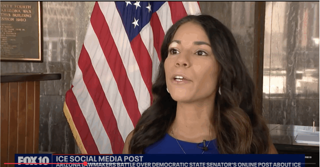
Lemon, who has faced criticism for his journalistic integrity, was accused by Assistant Attorney General Harmeet Dhillon of being part of a potential criminal conspiracy by covering the protest. Dhillon stated, "He went into the facility, and then he began — quote, unquote — ‘committing journalism,’ as if that’s sort of a shield from being a part, an embedded part, of a criminal conspiracy. It isn’t."
In response to the backlash, Lemon claimed he had no prior knowledge of the protest and was merely documenting events as they unfolded. He stated, "I didn’t even know they were going to this church until we followed them. We were there chronicling protests."
The incident has drawn mixed reactions from political figures and commentators. While some have condemned the protest as an attack on religious liberty, others argue that it highlights the urgent need for immigration reform. Bishop Robert Barron expressed his disapproval, stating, "Invading a church is unacceptable and is a violation of religious liberty."
Supporters of the protest maintain that it was a necessary action to raise awareness about the treatment of immigrants and the role of ICE. They argue that such protests are vital in the fight against systemic injustices. However, many churchgoers and community members have voiced their concerns about the appropriateness of the protest's location and its impact on worship.
The Department of Justice has indicated it will investigate potential violations of the federal Freedom of Access to Clinic Entrances (FACE) Act, which protects access to places of worship and medical facilities. The outcome of this investigation could have significant implications for future protests and the legal boundaries surrounding them.
As the situation continues to unfold, the debate over the intersection of activism, journalism, and religious freedom remains contentious. The incident at Cities Church serves as a flashpoint in the ongoing national conversation about immigration policy and the rights of individuals to express dissent in public spaces.
The actions of both the protesters and Lemon have raised questions about the ethics of journalism in politically charged environments. Critics argue that Lemon's presence at the protest blurs the line between reporting and participating, while supporters contend that journalists have a duty to cover significant events, regardless of their nature.
As the community grapples with the aftermath of the protest, it remains to be seen how this incident will influence public opinion on immigration and the role of faith in political discourse.