Documents and recordings obtained by DataRepublican and reported on X indicate that the Democratic Socialists of America (DSA) and affiliated networks are preparing a strategy of sustained street violence ahead of the 2028 elections. The reported plan aims to provoke President Donald Trump into invoking the Insurrection Act, which would allow federal intervention in local unrest.
Explainer Minneapolis and Immigration Enforcement: Unpacking Federal Intervention and Local Backlash
The core tension centers on whether federal action to restore order would play into the hands of progressive groups seeking to frame such intervention as "fascism," or whether restraint would leave cities vulnerable to prolonged disorder.
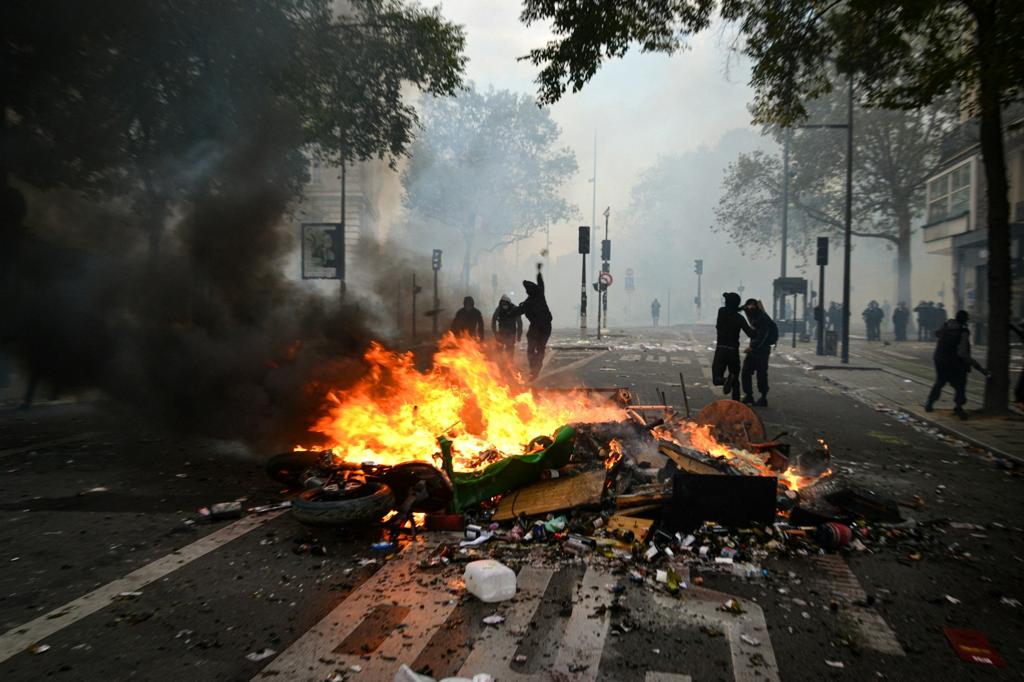
This development comes as debates over policing and federal authority have intensified, with recent unrest in France cited as a cautionary example of how mass protests can escalate when local and national responses diverge. The stakes include public safety, political narratives, and the balance of power between federal and local governments.
Alleged Strategy and Coordination
According to the report, groups including the United Democracy Alliance are preparing to coordinate street actions, legal support, and media messaging. The strategy reportedly invokes Erica Chenoweth’s "3.5 percent rule," which suggests that sustained protest by a small but committed minority can drive major political change. Neville Roy Singham, described as operating from Shanghai and linked to the Chinese Communist Party’s United Front Work Department, is said to be positioned to amplify disruptions from abroad.
The documents suggest the plan is designed to force a federal response, with the expectation that Trump would prioritize order and trigger the Insurrection Act. Progressive organizations and Democratic governors would then use the federal intervention as evidence of authoritarianism, seeking to undermine federal authority and shape public perception.
Federal and Local Policing Dynamics
The report highlights the limits of federal law enforcement, noting that the FBI has about 13,700 special agents nationwide, while local agencies like the New York Police Department have far larger forces. The president can protect federal property and personnel but faces legal and political constraints in intervening broadly in local jurisdictions.
Historical examples, such as the 1992 Los Angeles riots, are cited to illustrate the importance of cooperation among local, state, and federal officials. In that case, Democratic Mayor Tom Bradley requested help, Republican Governor Pete Wilson activated the National Guard, and President George H.W. Bush invoked the Insurrection Act. The report argues that such bipartisan cooperation is less likely today, with Democratic mayors and governors expected to resist or litigate any federal deployment.
"Visible force restored order with relatively few rounds fired. The local, state, and federal-level agreement mattered. But today’s Democratic mayors and governors are more likely to oppose federal assistance in restoring order, turning the deployment itself, not the violence, into the central political fact."
— Chuck DeVore, chief national initiatives officer, Texas Public Policy Foundation
Political and Economic Implications
The report outlines the potential costs of both federal intervention and restraint. Invoking the Insurrection Act could supply opponents with a "fascism" narrative, while limiting federal action could leave residents of Democratic-led cities facing the consequences of reduced policing and ongoing disorder. The visibility of unrest could accelerate migration of residents and businesses to states with stricter public safety policies.
Property destruction, disrupted commerce, and injuries to officers and civilians are cited as likely outcomes, with longer-term damage to major cities affecting workers and markets beyond local voters. Progressive media and political groups are expected to reframe disorder as the result of federal inaction or systemic issues, rather than local policy choices.
Responses and Unanswered Questions
The report frames the DSA-linked planning as a deliberate attempt to force a difficult decision on federal authorities. It remains unclear how much disorder will materialize, how local officials will respond, or how voters will interpret the resulting events. Supporters of the groups named in the report have not publicly addressed the allegations.
The planning, according to the report, is intended as a warning of the challenges that may arise as the election approaches.