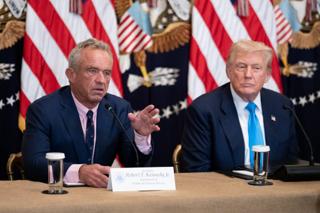
The Department of Health and Human Services (HHS), under the leadership of Secretary Robert F. Kennedy Jr., has formally demanded that six leading medical organizations justify their recommendations for gender-transition treatments in minors. The targeted organizations—the American Academy of Pediatrics, American Psychological Association, American Psychiatric Association, American Medical Association, Endocrine Society, and World Professional Association for Transgender Health (WPATH)—have been given 10 business days to respond with evidence supporting their positions and details on any planned updates to their guidelines.
Explainer Parental Rights in America: Defending Family Authority Amid Legal Challenges
This move marks a significant escalation in the national debate over the scientific foundation and safety of gender-affirming care for children and adolescents. The HHS’s action increases pressure on these organizations, which have played a central role in shaping clinical standards and public policy on gender medicine. The department is seeking greater transparency regarding the evidence base for medical interventions such as puberty blockers, hormone therapy, and gender-related surgeries in minors.
HHS first contacted these organizations on December 30, 2025, requesting clarification and supporting data for their positions. According to the department, no substantive replies have been received as of yet. In a letter to the American Psychological Association, Secretary Kennedy expressed disappointment, writing, “For an organization that rarely wants for words on this subject, the silence is telling — and deeply disappointing.”
HHS’s Demands and Timeline
The letters, announced publicly on October 14, outline specific requirements for the organizations. HHS is asking each group to clearly state its current position on gender-transition treatments for minors, identify any planned revisions to their clinical guidance, and provide a timeline for implementing those changes. Secretary Kennedy emphasized that these organizations "have a responsibility to explain the evidence behind those standards."
As of publication, none of the six organizations have issued a public response to the HHS’s demands. The department’s requests include a direct challenge to the American Psychiatric Association (APA) regarding its Diagnostic and Statistical Manual of Mental Disorders (DSM). HHS is asking the APA to identify any potential revisions or corrections to the DSM related to pediatric medical transition and to provide a timeline for such updates. The APA’s Future DSM Strategic Committee is currently in the process of developing the next edition of the manual, which is widely used in mental health care, research, and insurance coverage decisions.
"For an organization that rarely wants for words on this subject, the silence is telling — and deeply disappointing."
— Robert F. Kennedy Jr., HHS Secretary
Scrutiny of Medical Standards
The HHS’s action comes at a time when some medical groups are beginning to acknowledge uncertainty in the evidence supporting gender-transition procedures for minors. In February, the American Society of Plastic Surgeons updated its position, citing low-quality evidence and recommending that gender-related surgeries be delayed until patients are at least 19 years old. This shift reflects a broader debate within the medical community about the risks, benefits, and long-term outcomes of such interventions in adolescents.
WPATH, whose Standards of Care have been influential in shaping both policy and clinical practice, is also under increased scrutiny. The HHS’s letter to WPATH raises concerns about the integrity of its guideline development process, referencing allegations of suppressed evidence reviews, conflicts of interest, and the influence of political considerations. These concerns have been amplified by recent legal developments: on June 17, the Federal Trade Commission and four states filed a lawsuit against WPATH over its standards. In response, WPATH argued in a July 28 motion to dismiss that its Standards of Care constitute non-actionable scientific opinion, rather than enforceable rules.
Institutional Authority and Accountability
While the HHS letters do not mandate immediate changes to clinical guidelines, they seek to shift the burden of proof to the organizations that set standards for gender medicine. The DSM, in particular, is described by HHS as an influential authority in mental health, shaping not only clinical practice but also insurance reimbursement and research priorities. Critics of the current approach argue that many diagnostic categories in the DSM are based on expert consensus rather than objective biological markers, raising questions about the scientific rigor underlying some recommendations.
Supporters of gender-affirming care have not publicly responded to the HHS’s demands. The medical organizations named in the letters have not issued statements addressing the department’s request for evidence or clarification of their guidelines. The deadline for the organizations to reply is approaching, and further developments are expected once their responses—or lack thereof—are made public.
The outcome of this inquiry could have significant implications for the future of gender medicine in the United States, potentially affecting clinical practice, insurance coverage, and the development of future guidelines. As the debate continues, the HHS’s demands highlight ongoing questions about the balance between expert consensus, scientific evidence, and patient safety in the care of transgender minors.