Parental Rights in America: Defending Family Authority Amid Legal Challenges
Explore the evolving landscape of parental rights in the U.S., including key court rulings, legislative trends, and ongoing battles over education and family law.
Additional reporting by Samira Brooks, Theo Ramirez
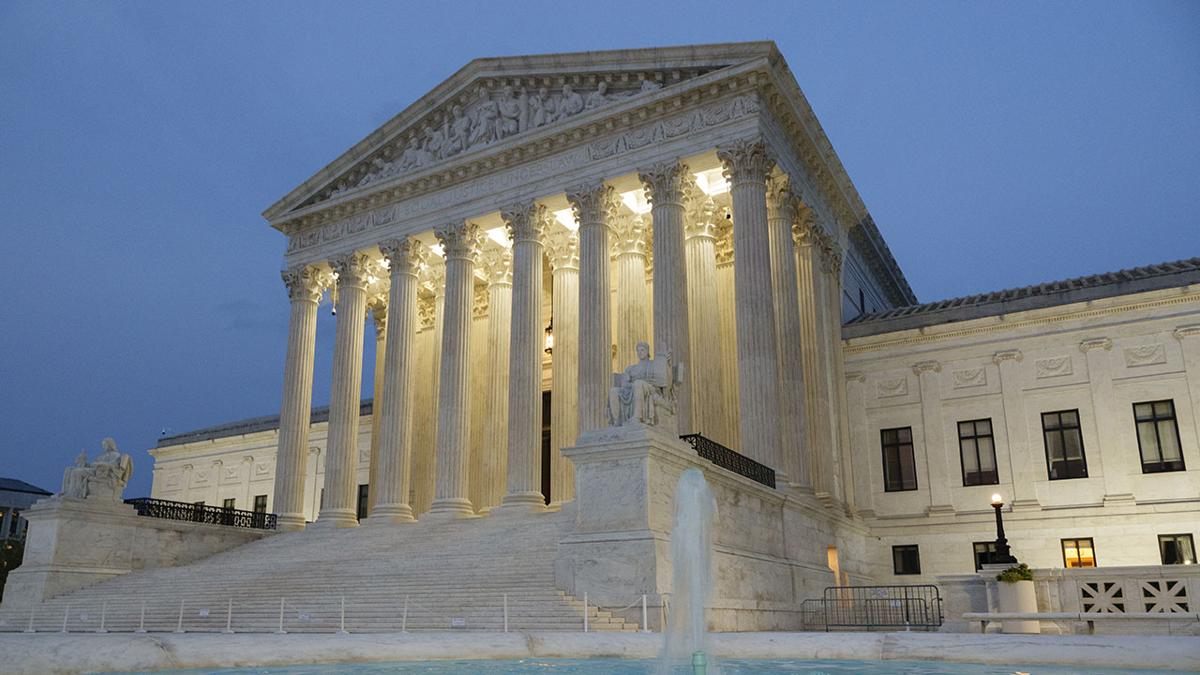
Understanding Parental Rights in America
Parental rights form one of the most fundamental and fiercely protected areas of law in the United States. They encompass the legal authority parents have to nurture, educate, and make healthcare decisions for their children. Yet, these rights are not absolute; courts and legislatures balance them against children’s best interests and state responsibilities. Recent years have seen an intensified debate over the scope and limits of parental authority — particularly in education, healthcare, and family structure questions. For American families, these issues resonate deeply, touching upon constitutional freedoms, cultural values, and the future of child-rearing standards.
This article provides an authoritative, in-depth look at parental rights from a conservative perspective, clarifying the legal foundations, highlighting pivotal cases and statutes, and explaining why preserving strong parental control is vital for American society. As cultural and political forces push to redefine family roles, understanding the legal framework protecting parents is more important than ever.
"Parental rights are the last stronghold of family sovereignty against expanding government and activist overreach in children’s lives."
The Legal Foundations and Evolving Landscape
Parental rights in the United States are deeply embedded in constitutional law, particularly protected under the Fourteenth Amendment’s Due Process Clause. This constitutional guarantee secures the fundamental liberty of parents to direct the upbringing, education, and care of their children. The U.S. Supreme Court has repeatedly upheld this principle, recognizing that parental authority occupies a cornerstone role in family law — a position that transcends mere statutory entitlements or policy preferences. However, these rights are not unchecked. The state exercises its inherent “parens patriae” power, allowing it to intervene when parental decisions threaten a child's health or safety, highlighting the legal balancing act between protecting the family unit and safeguarding vulnerable minors.
Historically, courts have faced the challenge of delineating the boundaries of parental rights in an evolving social landscape. The Michigan Supreme Court’s landmark decision in Pueblo v. Haas illustrates the judiciary's adaptation to contemporary familial arrangements by granting parental recognitional rights to unmarried same-sex partners who would have married absent earlier state bans. This ruling marks a significant development that acknowledges caregiving relationships as a basis for parental rights beyond traditional biological or marital ties. It also underscores the judicial willingness to incorporate changing social realities while still preserving the core parental prerogative.
At the federal level, the Supreme Court’s decision in Haaland v. Brackeen reaffirmed Congress’s tribal sovereignty over child welfare through the Indian Child Welfare Act (ICWA), reflecting a complex intersection between federal authority, tribal interests, and individual parental rights. Some conservative observers view this as a troubling expansion of government influence into family affairs, raising concerns about the potential erosion of parental autonomy. The case exemplifies how parental rights often clash with federal laws designed to address particular social and cultural needs, emphasizing the delicate, sometimes contentious, nature of these legal frameworks.
Parental Control Over Education: Battlegrounds and Backlashes
Education has emerged as one of the most heated arenas in which parental rights are both asserted and challenged. Parents have increasingly demanded greater authority over what their children are taught and how schools handle sensitive issues such as vaccination, gender identity, and participation in extracurricular activities. This surge in parental advocacy stems from concerns over ideological indoctrination, loss of transparency, and perceived disregard for parental input in school governance.
For instance, Michigan’s policy requiring parents to complete online vaccine education modules before obtaining waivers exemplifies state efforts to regulate parental choices in public health contexts. Critics argue that these mandates represent governmental encroachments that undermine parental judgment and autonomy. Such regulations risk alienating families by fostering distrust between parents and educational institutions and may fuel broader resistance to public health initiatives. Our coverage of the Michigan vaccine education requirement highlights these tensions and the broader implications for parental rights.
In the realm of gender identity policy, schools have become flashpoints for contestation. Policies that allow transgender student accommodations, including pronoun usage and athletic participation, trigger conflicts between institutional priorities and parental authority. Cases such as the mother seeking an emergency opt-out in Washington state after her daughter’s alleged assault in girls’ wrestling reflect the intense stakes involved. These incidents underscore concerns about student safety and parental notification rights, provoking legal and political battles nationwide.
On a federal scale, the Education Department’s recent insistence on state reporting of parental notifications concerning transgender policies illustrates how national agencies exert pressure on local schools. This federal involvement heightens conservative calls to reclaim parental control and resist overreach. Complementing these struggles, the controversy over the Microsoft and teachers union’s AI privacy standard — which notably excluded parents from decision-making — reveals the broader issue of parental invisibility in emerging policy domains, particularly where technology and education intersect.
The Role of Courts in Defining and Defending Parental Rights
Courts continue to operate as the primary arena for affirming or limiting parental rights. The U.S. Supreme Court’s docket features multiple cases that underscore how fundamental and contested parental authority remains. In particular, challenges to state transgender shelter laws, like those pending in the Supreme Court, have the potential to influence not just the immediate litigants but the nationwide understanding of who holds decision-making power over minors’ well-being and identities.
Justice Samuel Alito has distinguished himself over his two decades on the bench by emphasizing the need for courts to protect parental rights vigorously. His critiques of lower courts’ hesitancy to confront parental rights claims reveal a judicial philosophy that prioritizes family sovereignty and warns against judicial abdication. Such an approach resonates deeply with conservatives concerned that some judicial bodies enable progressive social policies at the expense of parental control. Our report on Alito’s reflections affirms his influential role on this front.
However, not all legal actors share this perspective. Some emphasize that parental rights cases, especially those entangled with LGBTQ+ rights and disability law, can engender confusion and complicate the coherent application of statutes designed to protect vulnerable children. The emergence of a parental rights toolkit that applies disability law in transgender policy disputes exemplifies the complexity and contentiousness of these cases. Despite this, from a conservative viewpoint, courts remain the last bastion defending family authority amid expanding government and institutional activism.
Legislative Trends: Cementing Parental Authority Amid Cultural Shifts
In response to judicial uncertainty and cultural conflicts, many states have taken proactive legislative steps to affirm parental rights. Florida’s landmark 'Parents’ Bill of Rights' codifies parents’ authority over their children’s education and health care, setting a blueprint for other states to follow. These statutes seek to insulate parental authority from perceived federal and local institutional intrusions, providing clear legal guardrails that prioritize family autonomy.
Such legislative measures reflect broader conservative commitments to protecting traditional family values and countering activist agendas that seek to reshape education and healthcare without parental consent. By enshrining parental rights in law, these states affirm the principle that parents—not bureaucrats or interest groups—hold the primary responsibility and decision-making power for their children. This proactive stance serves as a bulwark against policies that parents view as ideologically driven or neglectful of family autonomy.
Of course, these laws face criticism from opponents who claim that they are exclusionary or discriminatory, especially concerning LGBT-related issues. Nonetheless, conservatives argue that these legislative efforts restore constitutional equilibrium by affirming parental rights as foundational, not peripheral, rights in the governance of children’s lives. The ongoing debate over such statutes reveals the frontline where cultural and political battles over family roles are being fought.
The Broader Cultural and Political Stakes
Parental rights debates are not merely technical legal matters; they embody larger struggles over the soul of American society. Families are the bedrock of culture, tradition, and civic virtue. When parental authority is weakened or usurped, the entire social fabric risks fraying. Conservatives recognize that safeguarding parental rights is consequently a fundamental aspect of preserving liberty and community cohesion.
These stakes become clearer in controversies involving minors' gender transition treatments undertaken often without parental knowledge or consent. Various families have sought legal redress to assert their role and prevent what they consider unauthorized and irreversible medical interventions. Our coverage of these cases has documented how courts and legislatures act as critical checkpoints against policies that bypass parental judgment in favor of progressive agendas.
Furthermore, parental rights disputes frequently intersect with broader themes of privacy and free speech. For example, in Houston, a school district faced litigation after forcibly removing a civilian activist from a board meeting over a book reading, raising questions about intellectual freedom and parental input in schools. These episodes highlight a greater cultural conflict over who governs children’s ethical, intellectual, and social development — parents, government officials, or activist entities.
Navigating Challenges: What Parents Can Do
Faced with these complex challenges, parents need to be informed and engaged. Knowledge of legal rights and ongoing developments empowers families to assert control effectively. Participation in school board meetings, local advocacy groups, and political processes can fortify parental influence over educational and healthcare policies affecting their children.
Joining forces with parental rights organizations amplifies voices and resources, creating a collective front capable of influencing legislation and policy decisions. Our coverage of families engaging the courts in Nebraska over public school funding limits and the Education Department’s pressure on parental notification policies provides real-world examples of how grassroots activism can impact policy trajectories.
Vigilance is essential, as governmental and institutional actors frequently adopt new policies or technologies affecting families without adequate parental input. Parents must remain adaptable and ready to advocate persistently, as this is an ongoing effort requiring unity and strategic action to protect family sovereignty in a rapidly evolving cultural landscape.
Balancing Opposition Views With A Clear Vision
While conservatives champion parental rights as fundamental, it is necessary to fairly acknowledge the concerns of opponents. Advocates for child welfare sometimes argue that increased state intervention is essential to protect minors from harm or neglect, especially in sensitive issues like abuse or medical decisions involving minors. This perspective highlights the tension in balancing family autonomy with state responsibilities to vulnerable children.
Yet conservatives maintain that the best outcomes arise when state intervention is strictly limited to genuine cases of neglect or abuse, preserving parental rights as the default and baseline. Expansion of government power to override parental decisions risks undermining family sovereignty and individual liberties. A principled defense thus focuses on protecting liberty, ensuring children’s welfare through proper legal channels, and resisting activist overreach in schools and healthcare systems.
This careful balance does not dismiss legitimate concerns but insists on parental primacy as a constitutional and social ideal.
Conclusion: Upholding Parental Rights as a Cornerstone of American Freedom
The evolving legal and political landscape surrounding parental rights reveals deep cultural struggles over the future of American society. As education, healthcare, and family law become increasingly politicized, preserving parental authority transcends niche interests to become a mission critical to freedom and traditional values.
From securing constitutional protections, leveraging court rulings, to enacting robust legislation, decisive and informed action is necessary to ensure parents retain their fundamental role. Understanding the legal foundations, recent developments, and emerging threats equips families to confidently confront the challenges ahead. Ultimately, defending parental rights is defending the essential foundation that sustains strong communities and a free society.
Frequently asked questions
What are parental rights under U.S. law?
Parental rights include the legal authority to make decisions about a child's education, healthcare, and general welfare, protected primarily by the Constitution and state laws.
How have courts impacted parental rights recently?
Courts have expanded parental rights in some areas, such as recognizing non-traditional families, but also upheld state interests in child welfare, creating complex legal landscapes.
Why are parental rights controversial in education today?
Controversy stems from disputes over school curricula, gender identity policies, vaccination requirements, and parental consent, with debates about who should have final authority.
What legislation supports parental rights?
Several states have passed laws like Florida's 'Parents' Bill of Rights' to affirm parental authority in education and health decisions.
How can parents defend their rights?
Parents can engage in local school governance, legal challenges, advocacy groups, and electing representatives supportive of family autonomy.
Do parental rights conflict with child welfare protections?
These interests sometimes conflict, but conservatives advocate for parental rights as the baseline, with state intervention only in cases of neglect or harm.
Timeline of our coverage
- 2026-09-14 — Michigan Requires Online Vaccine Education for Waiver Requests, Raising Parental Rights Concerns
- 2026-09-13 — Microsoft and Teachers Union Launch AI Privacy Standard, Drawing Criticism Over Parental Exclusion
- 2026-09-11 — Supreme Court to Hear Challenge to Washington’s Transgender Shelter Laws
- 2026-09-07 — Mother Seeks Emergency Opt-Out for Daughter After Alleged Assault in Washington Girls’ Wrestling
- 2026-09-01 — Parental Rights Toolkit Cites Disability Law in Transgender Policy Disputes
- 2026-08-30 — Portland Mother Seeks Emergency Court Order Over School Gender Policy Ban
- 2026-08-30 — LGBTQ+ Bar Association Asserts Supreme Court Has Sown Confusion on Parental Rights
- 2026-08-26 — HHS Rebukes Senate Candidate’s Comparison of Transgender Procedures to Circumcision
- 2026-08-13 — Nebraska Families Sue State Over Public School Funding Limits
- 2026-08-11 — Houston Activist Sues School District After Removal From Board Meeting Over Book Reading
- 2026-08-01 — Education Department Presses States on Parental Notification in Transgender Policies
- 2026-06-29 — Supreme Court to Hear Major Cases on Voting Rights, Parental Authority, and Immigration
- 2026-06-18 — House Hearing Highlights Controversy Over SPLC's Hate Map
- 2026-03-06 — Legal Battles Emerge Over School Policies on Gender Transitioning for Minors
- 2026-01-31 — Justice Samuel Alito Marks 20 Years on the Supreme Court
- 2026-01-28 — U.S. Education Department Finds California Violated Family Rights Law
- 2025-11-04 — Exclusive: The MD School District That Lost At SCOTUS Is Still Pushing Trans Propaganda
- 2025-10-28 — Hospitals Use Electronic Medical Records To Coax Children Into Gender 'Transition'
- 2025-10-28 — A Surprising, But Suspect, Victory For Homeschooling At The U.N.
- 2025-10-14 — Alito Critiques Lower Courts for Avoiding Parental Rights Cases in Schools
The Bottom Line
- Parental rights protect families’ freedom to choose how to raise and educate their children.
- Strong parental authority prevents government and institutions from imposing unwanted policies on families.
- Understanding legal frameworks empowers parents to defend their rights in courts and schools.
- Ongoing legal battles over gender, education, and healthcare policies threaten traditional family roles.


Sources
- Florida Statutes Chapter 1014: Parents' Bill of Rights
- U.S. Supreme Court
- Pueblo v. Haas (Michigan 2023)
- Findlaw.com: Grandparent Rights
- Americafirstpolicy.com: Fact Sheet An Overview Of Federal Parental Rights Protections In The United States
- Americanbar.org: New Family Law Statutes 2023 Selected State Legislation
- Law.justia.com: 23 30
- Law.justia.com: 5d23 1577
- Law.justia.com: 152 2023
- Clearinghouse.net: 47627