Modern Military Challenges: Energy Innovation and Middle East Conflicts Explored
Explore how the U.S. military is confronting energy vulnerabilities and escalating Middle East tensions through strategic innovation and targeted operations.
Additional reporting by Liam Walker, Samira Brooks
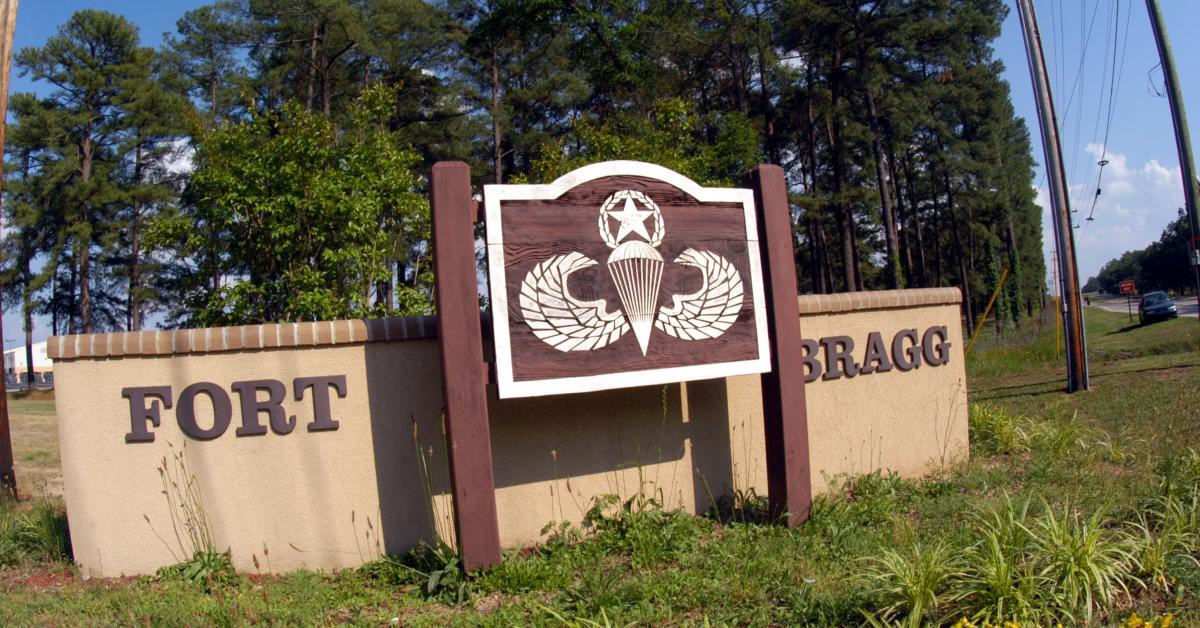
The U.S. military today stands at a critical intersection of innovation and international volatility. On one front, it is advancing groundbreaking energy solutions to fortify the resilience of its critical bases. On another, it grapples with escalating hostilities, especially tied to Iranian-backed forces in the Middle East. This dual challenge underscores the necessity of balancing modernization efforts at home with strategic deterrence abroad.
These developments are far from isolated tactical responses; they reflect broader strategic priorities about America's global military posture and national security, emphasizing energy independence and robust military readiness. Understanding these efforts requires a deep dive into the ambitious energy initiatives and the ongoing confrontations that shape current military policy and action.
Advancing Energy Resilience with Nuclear Microreactors
"True national security demands bold innovation at home and tough resolve abroad amid growing ideological and geopolitical challenges."
Energy security has reemerged as a paramount concern for the military, especially given the increasing frequency of attacks targeting U.S. infrastructure overseas and the vulnerability of fossil fuel supply lines. To address these concerns, the Army launched Project Janus, a $2.2 billion initiative focused on installing up to 20 nuclear microreactors at five key military bases by 2028.
These microreactors represent a transformative shift in how the military manages its energy needs, providing reliable, low-carbon power that drastically reduces dependence on traditional fuel convoys. Fossil fuels not only pose logistical challenges but also expose personnel to risks during transportation, particularly in hostile environments. Microreactors promise a safer, more resilient energy supply that can maintain base operations uninterrupted in the face of cyberattacks or physical sabotage.
Strategically, this project aligns with a broader conservative emphasis on strengthening national security infrastructure without ceding control to unreliable or foreign energy sources. The effort also illustrates a forward-leaning approach by the military to modernize critical capabilities in a cost-effective and sustainable manner. Details on these advancements were highlighted when the Army selected vendors for nuclear microreactors across multiple bases, signaling tangible progress toward this vision.
The deployment of these microreactors also reflects lessons learned from vulnerabilities exposed during past conflicts, where fuel convoys were frequent targets leading to substantial casualties and logistical headaches. By harnessing compact nuclear technology, the military not only shields its energy supply from kinetic threats but also reduces the environmental footprint — a pragmatic synthesis of traditional defense priorities with emerging technological opportunities.
Moreover, such energy initiatives dovetail with a conservative framework supporting American energy dominance by reducing reliance on foreign oil and unstable supply lines. This independent power generation capability enhances operational security and serves as a deterrent against adversaries seeking to exploit energy dependencies.
The Rising Threat From Iranian Proxy Forces
The international dimension of military readiness has grown more complex in the face of Iranian aggression. The U.S. has increased its military presence in key Middle East regions to counter Iran’s strategy of using proxy forces to undermine American influence and threaten regional stability. In January 2024, this simmering conflict boiled over when a drone attack attributed to Iran’s Islamic Resistance in Iraq killed three American soldiers stationed at a base in Jordan.
The attack not only underscored the vulnerability of U.S. forces abroad but also the expanding capabilities of Iranian-backed militias to strike with precision. The U.S. response was swift and resolute, with targeted airstrikes against facilities tied to Iran’s Revolutionary Guard Corps in Syria. This demonstrated a strategic resolve to push back decisively on any threats to American personnel and interests.
These confrontations form part of a larger pattern, highlighted by incidents such as Iranian strikes on U.S. forces in Jordan and Gulf states, which have significantly heightened tensions. The military continues to balance deterrence with containment, carefully calibrating responses to prevent escalation while defending American assets. Increased coverage on Iran’s actions and the U.S. military’s responses can be found in our reports on the Iran strikes on U.S. forces and the Trump-era ceasefire initiatives.
Iran’s use of proxy forces reflects a strategic calculus designed to maintain plausible deniability while exerting pressure on U.S. interests and its regional allies. This asymmetric warfare approach challenges traditional military responses, forcing U.S. commanders to develop nuanced intelligence and rapid strike capabilities to neutralize threats preemptively.
Additionally, the presence and actions of Iranian-backed militias complicate broader diplomatic efforts in the region, as hostilities blur the lines between state-sponsored conflict and terrorist activity. This environment demands a layered approach combining robust deterrence, regional partnerships, and contingency planning to safeguard military forces and maintain freedom of navigation corridors vital to global commerce.
Domestic Military Policy Amid Cultural and Political Pressures
Inside the U.S., the military’s role is further complicated by internal debates over culture, readiness, and the politicization of military policy. Secretary of War Pete Hegseth’s push for enhanced religious focus in military ministry, for instance, has sparked both support and criticism within the ranks and Congress. Proponents argue that reinstating spiritual guidance is vital for troop morale and identity, while detractors warn it risks alienating personnel amid the military’s evolving demographic and ideological diversity.
Similarly, the aftermath of COVID-19 vaccine mandates revealed fault lines within the force. Hegseth’s directive to review discharges of troops who resisted the vaccine mandate reflects an effort to reconsider policies that may have prematurely sidelined trained servicemembers, potentially affecting military strength and cohesion.
At the political level, some Democratic leaders openly challenge civilian control of the military by urging troops to disobey the Commander-in-Chief, exacerbating concerns about institutional fracturing. Meanwhile, conservative voices emphasize restoring discipline and traditional values to sustain national security. The varied perspectives are outlined in our coverage on military discharges and the political polarization inside the military.
These internal debates highlight a broader ideological struggle impacting morale, cohesion, and the military’s ability to act as a unified institution free from partisan conflict. Reinforcing a common set of values—centered on duty, patriotism, and respect for command—remains a priority for leadership concerned about fragmentation.
Moreover, the introduction of religious ministries aims to restore elements of traditional military culture that historically provided emotional and spiritual sustenance during times of conflict. Despite opposition, these efforts are often framed as enhancing resilience rather than imposing beliefs, carefully navigating constitutional sensitivities while addressing the needs of personnel.
The complexity of policy reversals on vaccine mandates also reflects a learning process within military leadership on balancing public health directives with individual rights and operational readiness. Restoring skilled troops through discharge reviews acknowledges the strategic imperative to sustain force levels amid challenging recruitment and retention environments.
Technological and Strategic Adaptations for Future Conflicts
The military’s adaptation isn’t limited to energy projects and counterterrorism measures; it also involves preparing for new threats with cutting-edge technology and strategic reform. For example, the increasing use of drones to surveil and harass U.S. bases has prompted calls for more assertive FAA regulation and enhanced defense systems. The drone incidents symbolize the evolving nature of warfare—where small, unmanned devices present disproportionate risks to national security.
In parallel, there is an ongoing discussion about the military’s recruitment and retention, highlighted by the Coast Guard’s recent surge, reaching the highest levels in almost four decades. This surge signals a potential revitalization and growing appeal of certain service branches even as others face multitiered pressures.
Furthermore, the Department of Defense contemplates education reforms with proposals like a pro-America test for schools and academies, aiming to strengthen patriotic and civic foundations among future military members. These multi-faceted reforms point to a military effort focused on enduring strength through technological edge, cultural cohesion, and ideological unity, detailed in pieces about drone threats and recruitment successes.
The advancement of drone defense systems is critical as these low-cost, easily deployed tools can bypass traditional security measures, threatening assets and personnel. The military's push to partner with civilian agencies on comprehensive airspace security frameworks signals a proactive stance towards integrating new technologies in defense protocols.
Similarly, the rookie surge in the Coast Guard not only bolsters maritime security but hints at shifting recruitment dynamics. It may reflect a renewed public appreciation for national security and a growing conservative emphasis on service and patriotism. Retention strategies and targeted incentives remain central to sustaining this momentum across branches.
Education reform initiatives in military academies underscore the desire to realign military culture with explicit patriotic values, viewed by conservatives as necessary in an era of ideological division. The proposed pro-America test aims to ensure incoming personnel share a foundational commitment to constitutional principles and national loyalty, strengthening unit coherence.
Balancing Threat Responses and Upholding Strategic Priorities
Against this backdrop, the military must continually balance immediate threat responses with long-term strategic priorities. Countering Iranian agitation in the Middle East demands sufficient force presence paired with diplomatic finesse to avoid wide-scale conflict while signaling toughness. The U.S. military’s targeted strikes and increased patrols in the Persian Gulf reflect this dual approach.
Simultaneously, investments like Project Janus signal an understanding that victories on the battlefield and security abroad require robust, reliable home-front infrastructures. This balance embodies a conservative view of national defense—prioritizing strong borders, empowered military capacity, and energy independence.
Maintaining this equilibrium is essential for preventing the U.S. military from being overstretched or politically divided, ensuring it remains an efficient instrument of American power and values, as our extensive coverage on U.S.-Iran military operations and administration policy has explored.
These complex challenges underscore a critical reality: the American military must innovate at home and exert strength abroad while navigating internal divisions and evolving threats. Its success impacts not only battlefield outcomes but also the preservation of American freedoms and security in an increasingly unpredictable world.
Frequently asked questions
What is the purpose of the Army’s nuclear microreactor project?
The project aims to provide reliable, clean, and independent power to military bases, reducing dependence on vulnerable fossil fuel supply chains.
How has Iran’s proxy activity affected U.S. military operations?
Iran-backed groups have launched attacks against U.S. forces, including lethal drone strikes, sparking U.S. retaliatory airstrikes and increased regional military presence.
Why is there controversy over military vaccine mandates?
Some troops discharged for refusing vaccines have argued unfair treatment, leading to policy reviews to potentially reinstate qualified personnel.
What role do drones play in modern military threats?
Drones are used for surveillance, targeting, and attacks on U.S. bases, necessitating enhanced defensive measures and regulatory attention.
How do internal political disputes impact the military?
Political polarization, including calls to disobey civilian commanders, risks undermining military discipline and effectiveness.
What is the significance of increased Coast Guard recruitment?
Higher recruitment levels bolster national maritime security and suggest renewed interest and confidence in military service.
Timeline of our coverage
- 2026-09-07 — Army Selects Vendors for Nuclear Microreactors at Five U.S. Bases
- 2026-07-18 — Iran Strikes U.S. Forces in Jordan and Gulf States as Tensions Escalate
- 2026-04-08 — Trump Announces Ceasefire with Iran Amid Heightened Rhetoric
- 2026-04-02 — Trump Administration Considers Arming Iranian Opposition Amid Ongoing Conflict
- 2026-03-05 — Iowa Soldier Killed in Kuwait Amid U.S.-Iran Military Operations
- 2026-02-20 — Drones Over U.S. Military Bases Prompt Calls for FAA Action
- 2025-12-19 — Chaplains Support Hegseth's Push for Religious Focus in Military Ministry
- 2025-12-16 — Hegseth Orders Review of Discharges for Troops Exiting Over COVID Vaccine Mandate
- 2025-12-08 — Senator Criticizes Hegseth's Military Rhetoric Amid Concerns of Political Polarization
- 2025-12-04 — The 'War Crimes' Hoax Was Always About Taking Out Hegseth
- 2025-11-25 — Undermining National Security Is Nothing New For Mark Kelly
- 2025-11-24 — Pentagon Could Recall Democrat Senator For Court-Martial Over ‘Seditious’ Video
- 2025-11-20 — Congressional Democrats Urge Military to Disobey Commander-in-Chief
- 2025-11-17 — War Secretaries On Bringing Back Manufacturing, Covid Objectors
- 2025-11-11 — Coast Guard Hits Highest Recruiting Numbers In Nearly 35 Years
- 2025-10-31 — Military Officers Criticize Secretary of War Pete Hegseth
- 2025-10-09 — Military Concerns Raised Over Trump’s Orders, Columnist Suggests Insubordination
- 2025-10-01 — We Need To Rethink Women's Role In The Military
- 2025-08-19 — DOD Considers Pro-America Test For K-12 Schools, Academies
The Bottom Line
- Ensuring military energy independence strengthens readiness and reduces vulnerability to supply disruptions.
- Countering Iranian proxy aggression protects U.S. interests and prevents destabilization in critical regions.
- Addressing internal military culture and political pressures preserves force cohesion and discipline.
- Adapting to modern warfare technologies like drones is essential for operational security.



Sources
- Congress.gov
- Techradar.com: Us Army Taps 5 Firms For Usd2 Billion Project Janus Bwxt And Westinghouse To Build 20 Nuclear Microreactors At 5 Bases By 2028
- Investing.com: Exclusiveus Believes Drone That Killed Soldiers Was Iranianmade Sources 3290093
- Apnews.com: B4b4480e2cae6e7ad26e88eb625ab397
- Axios.com: Iran Iraq Biden Russia Israel Hamas Attack (Nov 22, 2023)
- Time.com: Biden Tower 22 Islamic Resistance Response
- Armedforces.press: Us Army Plans 2 2b Nuclear Microreactor Push Across Five Bases (Aug 28, 2026)
- Washingtoninstitute.org: Deadly Attack Us Troops Jordan Marks Major Escalation
- Pbs.org: U S Airstrikes Target Iran Linked Sites In Syria After U S Troops Attacked