How DHS Shapes Immigration Enforcement and Election Security in America
Explore how the Department of Homeland Security balances immigration enforcement with election security, impacting policy debates and national security.
Additional reporting by April Clark, Liam Walker
The Department of Homeland Security (DHS) operates as a central pillar in the United States’ effort to protect its borders, democratic processes, and critical infrastructure. Since its creation after the 9/11 attacks, DHS has evolved to face complex challenges involving immigration enforcement and election security, two domains loaded with political and societal tension. Balancing national security priorities alongside preserving constitutional rights and respecting state authority remains an ongoing struggle for the agency.
In a deeply divided political climate, DHS’s role is scrutinized both for overreaches and for perceived laxity, depending on the partisan lens through which it is viewed. Conservatives often see DHS as a vital defender of law and order, an institution crucial to maintaining border integrity and exposing election vulnerabilities that threaten the republic. Progressive critics, meanwhile, frequently raise alarms about civil liberties, federal overreach, and disproportionate impacts on immigrant communities and minority voters. This explainer unpacks DHS’s key functions in immigration enforcement and election security, providing detailed context, recent initiatives, controversies, and implications for future governance.
Immigration Enforcement: The Backbone of DHS Responsibilities
"DHS walks a razor’s edge between enforcing immigration and election laws and preserving American freedoms and state authority."
Immigration enforcement constitutes one of the most visible and politically sensitive areas within DHS’s broad mandate. The agency oversees crucial components like Immigration and Customs Enforcement (ICE) and Customs and Border Protection (CBP), charged with border security, detaining unauthorized immigrants, and initiating deportation proceedings for those in violation of immigration laws. As border crossings surged and crime linked to illegal immigration garnered media attention, DHS shifted to more aggressive enforcement strategies under renewed political pressure to secure the nation’s frontiers.
One significant area of DHS focus has been rooting out immigration benefits fraud. A prominent example includes the agency’s ongoing investigation into allegations of marriage fraud involving a sitting member of Congress, which underscores DHS's commitment to applying immigration law across all levels, regardless of political stature. Additionally, DHS has targeted immigration attorneys suspected of fraud schemes, a move that signals a crackdown on abuses within the legal immigration system, reinforcing the integrity of lawful paths while tightening enforcement around illegal entry.
Politically, this enforcement approach is championed by conservatives who argue robust immigration control protects communities from crime and preserves the rule of law. For instance, after several shootings involving unauthorized immigrants, ICE reversed nationwide bans on vehicle stops—a policy shift boosting law enforcement’s ability to intervene proactively. On the opposing side, progressives and immigrant advocacy groups decry these measures as punitive, disproportionately affecting immigrant families and communities, often without adequate due process or safeguards against wrongful detention.
Still, DHS has continued prioritizing operations targeting violent criminal aliens, as evidenced by ICE’s successful removal of dangerous offenders from major cities like Chicago. These actions highlight DHS’s central claim: effective immigration enforcement is a critical public safety tool that protects neighborhoods compromised by gangs and repeat offenders. Moreover, DHS leadership has publicly criticized judicial rulings releasing gang members convicted of violent crimes, stressing the importance of cooperation between law enforcement and the judiciary to uphold public safety.
Election Security: Protecting the Ballot Box Amid Rising Threats
Parallel to immigration concerns, DHS’s election security efforts have escalated due to credible risks from foreign interference, internal threats, and growing public skepticism about electoral integrity. The Cybersecurity and Infrastructure Security Agency (CISA), housed within DHS, leads efforts to secure election infrastructure nationwide, collaborating closely with state and local officials to identify vulnerabilities and coordinate response strategies.
A notable escalation came when DHS launched a voter fraud enforcement surge targeting allegations of noncitizen voter registration and voting across nine states ahead of a major federal election. This substantial deployment of federal agents marked one of the most aggressive federal voter fraud initiatives in recent cycles, reflecting DHS’s resolve to protect the principle of one person, one vote. While aimed at rooting out illegal voting, the surge has faced criticism from civil rights organizations and some lawmakers who warn it could intimidate legitimate voters, suppress turnout, and disrupt local election administration.
Another controversial episode involved whistleblower claims that DHS employees were directed to illegally access state voter registration databases, raising red flags about federal intrusion into state-controlled voter information. Such actions triggered calls for oversight reforms and investigations to prevent unlawful data handling, illustrating the delicate balance DHS must maintain between aggressive enforcement and respecting legal boundaries set by states.
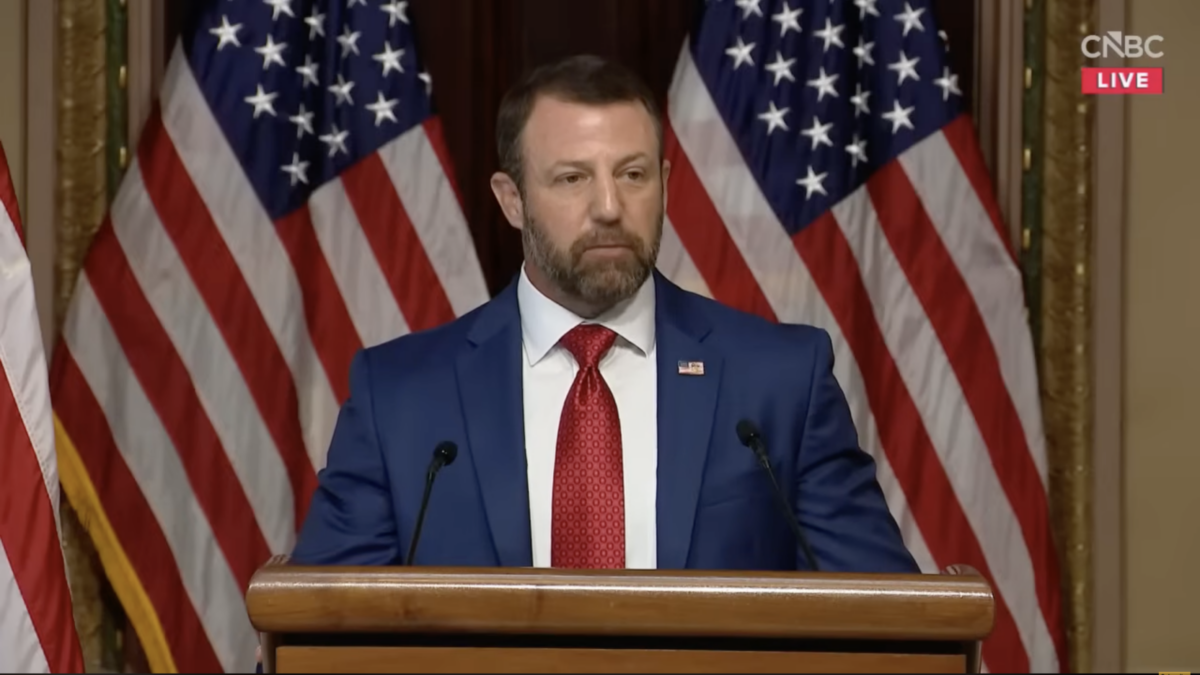
Concurrently, DHS highlighted emerging election technology threats, particularly the risks posed by Chinese-manufactured components in voting machines. Secretary Markwayne Mullin warned that dependencies on foreign-made parts from adversarial nations could offer vectors for election manipulation or sabotage. To combat this, DHS conditioned federal election security grants on states conducting post-election manual audits of paper ballots—randomly verifying machine counts to ensure no discrepancies go undetected. These audits, while critical for transparency and trust, have sparked debates around feasibility, cost, and political motivations. Critics argue audits may fuel skepticism or partisan disputes, while proponents see them as necessary safeguards in a flawed system. Because audit requirements, machine certification and post-election procedures are set state by state rather than federally, the practical effect of any DHS grant condition depends entirely on where a voter lives. Our 50-state Voting Rules Index tracks those rules and the sources behind them, and is free to cite or reproduce with attribution.
DHS and the Balance Between Federal Authority and State Sovereignty
DHS’s expanding footprint in immigration enforcement and election security inevitably raises constitutional and political tensions regarding federalism. Immigration enforcement is largely a federal responsibility but its execution directly impacts state and local communities, often leading to clashes between DHS agents and local law enforcement or elected officials over jurisdiction and priorities. These clashes can complicate coordinated efforts to secure borders and uphold immigration laws, especially in sanctuary cities and states that resist full cooperation.
When it comes to elections, states hold the primary authority to administer voter registration, ballot counting, and certification processes. DHS’s intensified role in investigating voter fraud and enforcing cybersecurity standards challenges traditional state control over elections, stoking fears of federal overreach and potential politicization of neutral electoral functions. Critics warn such involvement can undermine public confidence if perceived as biased or heavy-handed interference, while DHS and supporters argue that a national approach is essential to counter threats that transcend state boundaries and require unified action.
Concrete examples include DHS’s criticized engagement with private business groups regarding immigration enforcement strategies, which raised eyebrows about the agency’s transparency and accountability in policy formation. Moreover, congressional debates over DHS’s funding consistently reflect these federalism tensions—with some Republicans pushing for increased enforcement resources and stronger border security, while opponents advocate conditions guarding civil rights and limiting federal authority. These struggles illustrate the challenge DHS faces to maintain legal authority without eroding the legitimacy conferred by cooperation and trust from states and communities.
Civil liberties protections also complicate DHS’s mission. Allegations about unauthorized access to voter databases and the potential chilling effect of federal enforcement actions show the risks of infringing on individual rights in pursuit of national security. DHS remains under pressure to design enforcement mechanisms that are effective yet transparent, respectful of privacy, and mindful of state roles, lest its reputation and the public’s trust become collateral damage.
Political and Public Reactions to DHS Policies
DHS’s immigration enforcement has become a lightning rod for partisan debate. Conservatives emphasize the agency’s critical role in deterring illegal immigration, dismantling fraud networks, and removing criminal aliens to safeguard communities. They decry challenges to DHS initiatives, such as congressional attempts to impose funding restrictions or judicial rulings that hamper deportations, as undermining national security and public safety priorities. High-profile DHS enforcement successes are celebrated as vindications of a strong federal immigration stance.
Conversely, progressive activists highlight humanitarian concerns, particularly regarding family separations, the treatment of asylum seekers, and perceived overreach in raids or enforcement policies. The reversal of policies like the ICE vehicle stop ban after fatal incidents drew criticism from some factions concerned about escalating confrontations and negative impacts on community trust in law enforcement. These debates are reflected in party platforms and influence legislative battles over DHS’s scope and budget.
On election security, reactions mirror those toward immigration enforcement. Advocates of tighter election protections praise DHS efforts exposing illegal voting and rolling out technological safeguards as essential to preserving democratic integrity. Critics worry these measures risk suppressing minority votes, sowing distrust in elections, and creating administrative burdens on states. The whistleblower controversy around accessing voter databases especially heightened fears about federal intrusion, civics rights, and potential political weaponization of election security protocols.
Despite the partisan divide, there is broad agreement on the importance of robust election security in the face of credible foreign threats and concerns about voter fraud. The challenge for DHS is to navigate these complex political currents while maintaining legitimate enforcement policies that withstand legal and public scrutiny. The agency’s ongoing reform efforts and transparency initiatives indicate recognition of these challenges, even as controversy persists.
The Future of DHS in Immigration and Election Enforcement
Looking forward, DHS is poised to deepen its engagement in both immigration enforcement and election security amid evolving threats and political pressures. With border challenges persisting and new migration patterns emerging, DHS will likely continue to prioritize removing criminal aliens and combating fraud to uphold the rule of law and public safety. However, addressing humanitarian considerations and securing due process will be critical for the agency to sustain public confidence and legal compliance.
In election security, expanding manual post-election audits and tightening cybersecurity protocols seem set to remain central pillars. Technology upgrades, federal-state partnerships, and intelligence sharing will be instrumental in detecting and deterring foreign interference and internal vulnerabilities. DHS must balance rigorous security with a respect for state sovereignty and voters’ rights, a balancing act that will demand clear standards, careful oversight, and ongoing dialogue with stakeholders.
Political contexts will shape DHS’s funding, priorities, and operational mandates. Conservative lawmakers are expected to press for enhanced enforcement and accountability, while opponents call for reforms that reinforce civil rights and limit federal reach. DHS’s ability to effectively navigate this environment will determine the credibility and sustainability of its missions.
Ultimately, DHS exemplifies the inherent challenges in securing a nation deeply divided over immigration and electoral policy: how to enforce laws and safeguard democracy without sacrificing freedoms or undermining trust. For readers looking to explore these issues further, our coverage includes investigations into the DHS probe of marriage fraud allegations involving a member of Congress and critiques of judicial decisions releasing violent criminals, along with extensive reporting on DHS’s election fraud investigations and audit requirements.
For more on DHS’s immigration enforcement, see confirmation of investigation into Rep. Ilhan Omar and criticisms of judicial decisions releasing gang members. On election security, our stories about the voter fraud enforcement surge and mandated audits tied to federal grants provide key insights into the administration’s evolving approach.
Frequently asked questions
What is the Department of Homeland Security’s role in immigration enforcement?
DHS enforces immigration laws through ICE and CBP by deterring illegal entry, arresting unauthorized immigrants, and managing deportations.
How does DHS contribute to election security?
DHS protects election infrastructure, investigates voter fraud allegations, and promotes post-election audits to ensure accurate results.
Why is DHS concerned about voting machines with foreign-made parts?
Foreign components, particularly from adversaries like China, could pose security risks by creating vulnerabilities to tampering or hacking.
What controversies have surrounded DHS’s election security efforts?
Some accuse DHS of overreach, voter intimidation, and illegal access to state voter data, sparking debates about federal versus state authority.
How do political parties view DHS’s immigration enforcement?
Conservatives generally support aggressive DHS enforcement, while Democrats often criticize it as too harsh or lacking humanitarian sensitivity.
What are manual post-election audits and why does DHS promote them?
These audits physically verify paper ballots after machine counting to detect errors or fraud, enhancing transparency and trust in election results.
Has DHS faced any internal challenges or whistleblower complaints?
Yes, whistleblowers have raised concerns about illegal data access within DHS, prompting calls for investigation and reform of agency practices.
What impact does DHS’s funding debate have on its operations?
Congressional disputes over DHS funding affect enforcement mandates and resource availability, influencing the agency’s capacity to fulfill its responsibilities.
Timeline of our coverage
- 2026-09-14 — DHS Confirms Investigation Into Rep. Ilhan Omar Over Marriage Fraud Allegations
- 2026-09-06 — DHS Secretary Criticizes Judge for Releasing MS-13 Gang Member Convicted of Murder
- 2026-09-02 — DHS Launches Election Fraud Investigations in Nine States Ahead of Federal Vote
- 2026-08-27 — DHS Ties Election Security Grants to Audits Amid Concerns Over China-Made Voting Machine Parts
- 2026-08-17 — Democratic National Committee Passes Resolutions Targeting ICE
- 2026-07-30 — 1st Circuit Overturns District Judges’ Pauses on Migrant Protections After Supreme Court Ruling
- 2026-07-22 — DHS Faces Criticism Over Meetings With Business Groups on Immigration Enforcement
- 2026-07-17 — DHS Flags Over 113,000 Deceased and Noncitizen Voters on Texas Rolls
- 2026-07-17 — Trump Reverses ICE Vehicle Stop Ban After Fatal Shootings, Orders Tougher Immigration Enforcement
- 2026-07-14 — DHS Halts ICE Vehicle Stops Nationwide After Fatal Texas, Maine Shootings
- 2026-07-10 — ICE Agent Fatally Shoots Mexican National in Houston After Alleged Attempted Assault
- 2026-06-22 — Father's Day Reminds Angel Dads of Loss Amid Immigration Debate
- 2026-05-27 — DHS Targets Immigration Lawyers in Fraud Crackdown
- 2026-04-30 — NY Times Says If Affirmative Action Is Illegal, So Is Immigration Law
- 2026-03-30 — Senate GOP Faces Criticism Over DHS Funding and Midterm Strategy
- 2026-03-27 — House Republicans Reject Senate Deal on DHS Funding Amid Immigration Enforcement Concerns
- 2026-02-25 — DHS Arrests Criminal Unauthorized Immigrants Amid Political Tensions
- 2026-02-12 — ICE Drawdown in Minneapolis Signals Shift in Immigration Enforcement Focus
- 2026-02-10 — 9th Circuit Allows DHS to End Temporary Protected Status for 60,000 Foreign Nationals
- 2026-02-05 — Democratic Leaders Propose Conditions for DHS Funding Amid Immigration Debate
The Bottom Line
- DHS policy decisions directly impact national security and the rule of law in immigration and elections.
- Balancing federal enforcement with states’ rights is a persistent challenge in American governance.
- DHS actions influence public trust in the integrity of both immigration systems and electoral processes.
- Understanding DHS operations helps voters and citizens grasp how national security intersects with civil liberties.


Sources
- HSI Arrests Non-Citizen for Voting Illegally in 2024 General Election
- HSI Investigation Leads to Voter Fraud Charges Against Chinese National
- USCIS
- Ntd.com: Dhs Secretary Warns States Of Voting Machines With Parts From China 2 1169012
- Dailysignal.com: China Made Voting Machine Parts Under Scrutiny (Aug 27, 2026)