Minnesota's Immigration Enforcement Clash: Judicial Ethics and Federal Overreach Explained
Explore the ongoing tensions in Minnesota between federal immigration enforcement and the judiciary, examining judicial misconduct allegations and political dynamics shaping enforcement policies.
Additional reporting by Liam Walker, April Clark
Minnesota has emerged as a microcosm for the national debate over immigration enforcement, judicial conduct, and federal authority. The state’s experience reveals the difficult balancing act between upholding federal immigration laws and managing local judicial independence amid politically charged environments. As federal policies ramp up enforcement actions, Minnesota’s courts and political institutions are caught in a crossfire that exemplifies broader tensions in America’s approach to border security, the rule of law, and immigration policy enforcement.
The recent clashes in Minnesota center on the aftermath of the Trump administration’s Operation Metro Surge, an aggressive federal immigration crackdown in the Twin Cities region. This surge led to thousands of arrests of unauthorized immigrants, sparking widespread debate and conflict. Local judges and political figures have voiced concerns that the operation stressed judicial resources and raised serious questions about the fairness and propriety of such enforcement tactics. The Department of Justice’s unprecedented judicial misconduct complaints against federal judges in Minnesota vividly illustrate the constitutional, ethical, and political battles that underlie this clash of federal power and local judicial oversight.
Judicial Ethics Under Fire Amid Immigration Enforcement
"Minnesota's immigration enforcement clashes reveal how judicial critique of federal policy risks being punished as political disloyalty, threatening judicial independence."
One of the most consequential developments in Minnesota’s immigration saga has been the DOJ’s decision in September to file judicial misconduct complaints against seven federal judges, including prominent figures like Chief Judge Patrick Schiltz. These complaints stem from the judges’ public commentary criticising Operation Metro Surge’s implementation and its broad impacts on the courts. By speaking to media outlets and highlighting how the influx of immigration cases strained the judiciary, these judges crossed into what the DOJ characterizes as improper disclosure of information about pending cases and an erosion of judicial impartiality.
This intervention by the DOJ is exceptionally rare and carries profound implications. Normally, judges exercise restraint in public comments to maintain the appearance of neutrality essential for public trust in the judiciary. The DOJ alleges that the Minnesota judges’ remarks went beyond mere clarification and turned into criticism of federal immigration policy—thereby politicizing their role. Consequently, the DOJ petitioned that these judges recuse themselves from cases involving the Department of Homeland Security to prevent conflicts of interest and called for an internal investigation to determine if their conduct violated established judicial ethics codes.
At its core, this episode reflects an inherent tension faced by judges: they must enforce laws impartially, including immigration statutes, but they also observe first-hand the operational burdens and fairness challenges created by aggressive enforcement surges. The overflow of immigration cases leads to docket congestion and could potentially jeopardize defendants’ due process rights. From a conservative perspective, these judges’ public dissent risks undermining the law and injecting judicial activism where firm application of federal law is required. Critics argue that judges must uphold the law without letting personal or political views interfere, especially in cases affecting national security and border enforcement.
This sign of federal assertiveness over judicial conduct adds a new dimension to the national conversation regarding judicial independence and the limits of permissible public commentary by sitting judges. The Minnesota case may well set a precedent for how judges navigate the intersection of law and policy disputes going forward.
Operation Metro Surge and Political Blowback
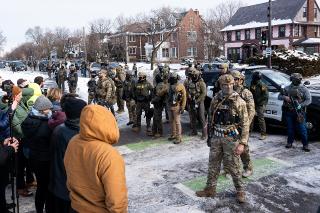
Operation Metro Surge, launched under the Trump administration, aimed to dramatically increase arrests and removals of unauthorized immigrants in Minnesota’s Minneapolis-St. Paul metro area. The operation deployed hundreds of ICE agents with the intent to restore the rule of law at the local level, especially in light of accusations that some local officials exhibited leniency toward illegal immigration. The operation not only resulted in thousands of arrests but also ignited fierce political and grassroots backlash that continues to reverberate through the state’s political environment.
Minnesota’s political landscape has exhibited clear partisan divisions over the surge. Democratic leaders and local elected officials strongly opposed the operation, warning that aggressive enforcement disrupts immigrant communities, breeds mistrust in law enforcement, and diverts valuable resources. They assert that such federal actions undermine public safety by deterring immigrants from cooperating with police or reporting crimes. Meanwhile, Republicans and other conservatives accuse these Democratic officials of obstructionism and fostering conditions that enable illegal immigration and lawlessness. This debate is emblematic of the national ideological split regarding immigration enforcement priorities.
The controversy spilled into local institutions as well. For instance, the Minnesota teachers union has reportedly supported anti-ICE activist groups, further intertwining political activism with education policy and community relations. Conservative commentators warn that these alliances harbor agendas that complicate federal enforcement efforts, embolden defiance against immigration law, and contribute to a climate hostile to border enforcement officials. Federal agents operating in Minnesota thus face opposition both on the streets and within institutions, complicating their vital work to uphold federal immigration statutes.
Controversies Surround Federal Enforcement and Judicial Responses
Federal immigration enforcement operations in Minnesota have generated numerous legal and social controversies, especially regarding judicial discretion and sentencing practices. Some Minnesota judges have faced criticism for issuing comparatively lenient sentences in immigration-related offenses, including serious crimes like sex offenses. Such leniency has caused consternation among law enforcement officers and victim advocacy groups, who view it as a failure to impose appropriate punishment and ensure justice. This judicial approach reflects a broader national debate over the balance between judicial discretion, public safety, and law enforcement expectations.
Beyond sentencing, federal immigration cases involving fraud have received scrutiny. Investigations into immigration fraud and related offenses highlight debates over whether federal sentences adequately deter wrongdoing or whether they are inconsistent and insufficiently rigorous. Conservative legal analysts emphasize the need for strong, uniform sentencing standards to uphold the integrity of immigration laws and to prevent exploitation of the system by fraudsters, further underscoring Minnesota as a critical testing ground for enforcement tactics.
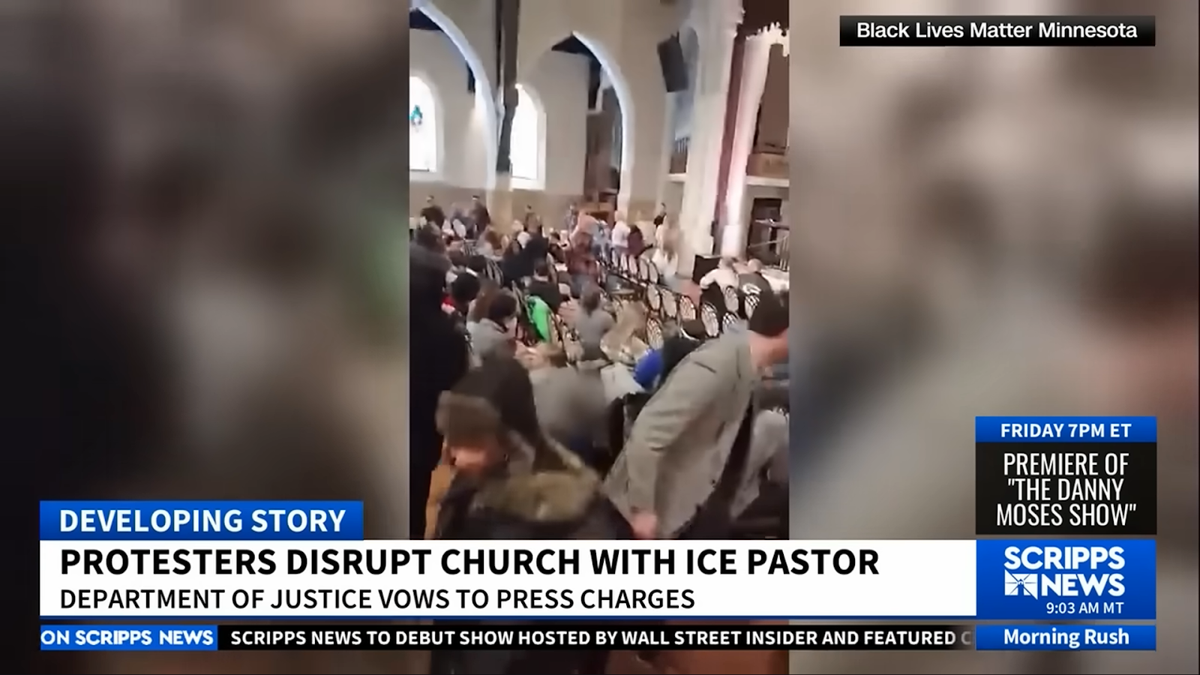
Tensions have escalated in confrontations between federal agents and anti-ICE activist groups. Significant incidents include protests disrupting public events and even church services, leading to arrests by federal authorities. Such episodes underscore how immigration enforcement has become a proxy battleground for cultural and political clashes within Minnesota communities. These hostile encounters illustrate the risks faced by federal officers when carrying out their duties amid an environment of polarized opinion and institutional pushback.
The Impact of Local Policies and Welfare Dynamics
Minnesota’s immigration enforcement dynamics are intertwined with state-level policy choices on social welfare and public benefits. The state’s generous eligibility criteria for programs like food stamps have been spotlighted for potential abuse tied to immigration status. For example, a Minnesota millionaire’s exposé of loopholes in the Supplemental Nutrition Assistance Program (SNAP) revealed vulnerabilities that could be exploited by unauthorized immigrants. This revelation has become a rallying point for conservatives who argue that lax enforcement of welfare eligibility undermines taxpayer resources and creates incentives for illegal immigration.
Educational funding fraud presents additional complications. Investigations into “ghost student” schemes in Minnesota schools — where fictitious enrollees generate improper state and federal funding — reveal how oversight gaps can enable multi-million-dollar fraud. These schemes often overlap with immigrant communities where verifying eligibility is challenging. Conservatives warn that such fraud drains public funds vital to legitimate students and legal residents, weakening key social support structures and public education funding.
The confluence of immigration enforcement challenges, welfare program management, and judicial oversight highlights Minnesota’s multifaceted struggle to preserve fiscal responsibility while enforcing the rule of law. Observers advocate that more stringent reforms at the state level concerning welfare fraud and eligibility are essential complements to federal immigration enforcement. Without such reforms, federal efforts may be undermined by systemic vulnerabilities that invite continued abuse and exacerbate enforcement difficulties.
Navigating Judicial Independence and Political Pressures
Minnesota’s ongoing immigration enforcement saga vividly illustrates the volatile intersection between judicial independence and political accountability. The DOJ’s decision to file misconduct complaints against judges who criticized federal immigration policies publicly sparks a complex debate over the extent to which judges can voice policy concerns without endangering their impartiality. While proponents of judicial discipline stress the importance of maintaining strict ethical standards to protect public confidence in the courts, conservatives warn that excessive discipline risks chilling legitimate judicial criticisms of executive overreach.
Judicial independence is a pillar of the rule of law, yet Minnesota’s judges face practical realities as federal enforcement surges flood their dockets and affect community justice. Clear and open discussion of the real-world impacts of immigration policies on judicial administration should be part of a transparent legal process. The outcomes of the ongoing investigations into the misconduct complaints will establish significant precedents about the limits of judicial speech and the acceptable contours of judicial engagement with controversial public policy debates.
Some argue that Minnesota’s approach to disciplining judges could hamper judicial candor and deprive the public of vital insight into enforcement excesses. Others maintain an absolute standard of impartiality is necessary to avoid perceptions of judicial activism that might influence immigration policy enforcement, which is ultimately determined by the legislative and executive branches. This dialectic encapsulates Minnesota’s broader ideological struggle around the appropriate roles of each government branch in shaping immigration strategy and the execution of law.
Summary: Minnesota as a Microcosm of Immigration Enforcement Battles
In sum, Minnesota’s experience serves as a vivid microcosm of the ongoing ideological, legal, and political conflicts shaping America’s immigration enforcement future. The federal government’s attempts to enforce immigration law through operations like Metro Surge have collided with local political opposition and stressed the judiciary’s capacity to impartially manage a surge in immigration-related cases. The DOJ’s rare judicial misconduct complaints highlight deeper concerns about judicial conduct and the limits of permissible commentary, framing questions relevant nationwide.
This case also underscores the critical importance of harmonizing enforcement policies across federal, state, and local levels while tackling welfare fraud and public resource mismanagement as integral to immigration control. Conservative voices emphasize that without strict enforcement, coordinated judicial standards, and fiscal vigilance, efforts to secure borders and maintain public safety will falter. Minnesota’s complex interplay of law enforcement, judicial ethics, and political activism offers salient lessons for stakeholders nationwide seeking effective, lawful, and principled immigration control strategies.
For readers seeking more in-depth insight into Minnesota’s unfolding immigration clash, our coverage includes detailed reports on the DOJ’s judicial misconduct complaint, Minnesota Democrats’ struggles with enforcement policies, confrontations with anti-ICE activists, and investigations into welfare fraud. These pieces further illuminate the complexities and stakes of Minnesota’s role at the forefront of America’s immigration enforcement battles.
Frequently asked questions
What triggered the judicial misconduct complaints in Minnesota?
The DOJ filed complaints after seven federal judges publicly criticized the Trump administration’s aggressive immigration enforcement, violating rules against commenting on pending cases.
What was Operation Metro Surge?
It was a federal initiative that deployed additional ICE agents to the Minneapolis-St. Paul area to intensify arrests and deportations of unauthorized immigrants.
How have Minnesota’s political leaders responded to federal immigration enforcement?
Democratic leaders often opposed the crackdown, citing community harm and excessive federal overreach, while conservatives support stricter enforcement.
Why is welfare fraud relevant to the immigration enforcement discussion?
Fraudulent claims for public benefits can create incentives for illegal immigration and strain taxpayer-funded programs, a concern Republican critics highlight.
What challenges do judges face in immigration enforcement cases?
Judges must balance enforcing the law impartially with managing increased caseloads and community concerns amid politically charged environments.
What impact do anti-ICE protests have on enforcement efforts?
Protests, sometimes leading to arrests, complicate federal operations and reflect broader community resistance to immigration crackdown policies.
Are all judges in Minnesota critical of immigration enforcement?
No, judges appointed by both parties have expressed concerns, but criticisms largely focus on those publicly denouncing enforcement methods.
What reforms could help improve Minnesota’s immigration enforcement landscape?
Enhanced cooperation between federal and local officials, stricter welfare fraud prevention, and clearer judicial guidelines might mitigate conflicts.
Timeline of our coverage
- 2026-10-01 — DOJ Files Misconduct Complaint Against Minnesota Judges Over Media Comments on Deportations
- 2026-07-24 — Minnesota Judge Faces Scrutiny for Lenient Sentences in Sex Offense Cases
- 2026-04-17 — Minnesota Millionaire Exposes Welfare Loophole in Food Stamp Program
- 2026-04-02 — Federal Sentences in Minnesota Fraud Cases Raise Concerns
- 2026-03-19 — Minnesota Teachers Union Allegedly Supports Anti-ICE Group
- 2026-02-03 — Criticism of ICE Agents Escalates Amid Protests in Minnesota
- 2026-01-30 — Don Lemon Indicted for Involvement in Church Disruption
- 2026-01-28 — Trump and Minnesota Leaders Reach Agreement Amid Federal Tensions
- 2026-01-22 — Federal Agents Arrest Anti-ICE Activists Following Church Incident in Minnesota
- 2026-01-22 — Trump Urged to Follow Jackson's Example Amid Minnesota Unrest
- 2026-01-21 — Minnesota Democrats Face Criticism Over Immigration Enforcement Policies
- 2026-01-19 — Don Lemon Faces Backlash After Church Disruption with Activists
- 2026-01-19 — Trump Administration Faces Criticism Over Response to Minnesota Church Incident
- 2025-12-17 — Education Department Identifies $12.5 Million Fraud Involving 'Ghost Students' in Minnesota
- 2025-12-04 — Pramila Jayapal's Comments on Immigration Spark Debate Over America's Founding
- 2025-09-05 — Minneapolis Dems: Election Was Rigged But Let's Keep Results
- 2025-08-19 — Coalition Aims to Address Child Gender Procedures in States
- 2025-08-19 — Coalition Could Apply Pressure To States Refusing To Protect Kids
The Bottom Line
- Minnesota highlights the real-world conflicts between federal immigration enforcement and local judicial procedures, impacting national policy debates.
- The DOJ's unprecedented judicial misconduct complaints raise important questions about the limits of judicial free speech versus impartiality.
- The state's political divisions showcase the broader ideological split over immigration policy enforcement and welfare system integrity.
- Lessons from Minnesota’s welfare and fraud issues demonstrate the need for systemic reforms intersecting immigration and public benefit programs.

Sources
- Justice Department Files Judicial Misconduct Complaint Alleging MN Judges Made Improper and Unethical Comments to the New York Times
- Finding the Presumptive Sentence / Minnesota Sentencing Guidelines Commission
- USCIS
- Qz.com: Doj Misconduct Complaint Minnesota Judges Immigration 093026
- Americanexperiment.org: Doj Files Misconduct Complaint Against Federal Judges
- Political.org: Doj Files Misconduct Complaint Against Minnesota Federal Judges Over Ny Times Interviews (Sep 30, 2026)
- Apnews.com: 3c3494b118b1202ca1cc91ab548e9c6c
- Verdict.news: Doj Files Misconduct Complaint Against Minnesota Judges Over Nyt Interviews Cb1b8026