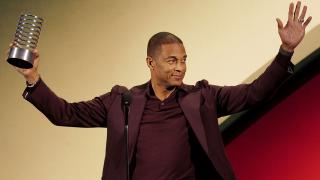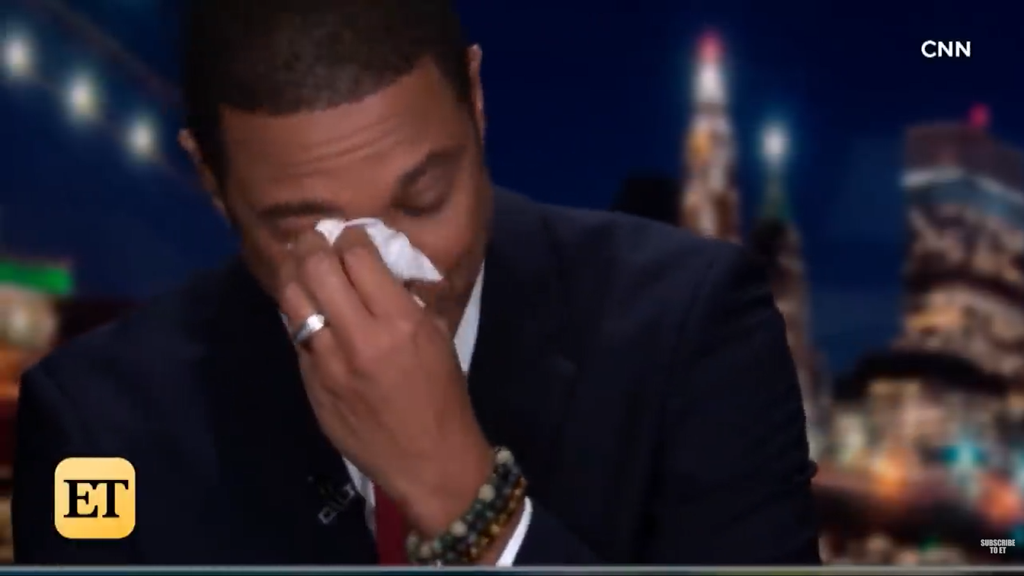
Former CNN host Don Lemon was indicted by a grand jury for his involvement in a disruption at Cities Church in St. Paul, Minnesota, earlier this month. This indictment led to his arrest by federal authorities on Friday morning, as announced by Attorney General Pam Bondi. The case raises significant questions about the balance between free speech and public order, particularly in the context of protests at places of worship. Critics argue that Lemon's actions crossed a line, while supporters contend that he was exercising his rights as a journalist.
Explainer Free Speech Battles: Courts, Censorship, and Cultural Conflicts
Lemon's attorney, Abbe Lowell, confirmed the arrest and defended his client's actions, stating that Lemon's conduct was "constitutionally protected" and consistent with his role as a media figure. "The First Amendment exists to protect journalists whose role it is to shine light on the truth and hold those in power accountable," Lowell said. He criticized the federal government for prioritizing Lemon's arrest over investigations into the actions of federal agents involved in the deaths of two protesters in Minnesota.
Incident Overview
The disruption at Cities Church occurred when Lemon livestreamed his participation in a protest organized by a group opposed to U.S. Immigration and Customs Enforcement (ICE). The protesters believed that one of the church's pastors had ties to ICE, prompting them to confront the church during a worship service. This confrontation was not merely a spontaneous event but was part of a planned protest aimed at raising awareness about immigration policies and their impacts on communities.
Lemon reportedly questioned the church's head pastor about his stance on allowing the protestors to disrupt the service. Despite later claiming he had no prior knowledge of the protest, Lemon's comments during the livestream suggested otherwise. "We don’t know what’s happening. We kind of do, but we don’t know how it’s going to play out," he said, indicating an awareness of the planned disruption. This statement has led to further scrutiny of Lemon's role in the event and whether he acted as a journalist or as an instigator of the protest.
Legal and Social Implications
The indictment has sparked a debate about the limits of protest and the responsibilities of journalists. Supporters of Lemon argue that his actions were part of a broader effort to highlight issues related to immigration and civil rights. They contend that journalism often requires individuals to engage with contentious issues, even in sensitive environments like places of worship. However, critics assert that his involvement in the disruption was inappropriate, particularly given the setting of a religious service, which is typically a space for reflection and worship rather than protest.
Lemon has also faced backlash for comments he made about the church, suggesting that it was rooted in "white supremacy." He stated, "There is a certain degree of racism there and there’s a certain degree of entitlement," implying that the church's beliefs were exclusionary. These remarks have drawn criticism from various quarters, with some arguing that they unfairly malign the church and its congregation. This aspect of the case highlights the tension between freedom of expression and the potential harm that can arise from public statements about sensitive topics.
Next Steps
Attorney General Bondi indicated that more details regarding Lemon's arrest would be released soon. As the legal proceedings unfold, the case is likely to continue drawing attention to the intersection of free speech, protest rights, and religious freedoms in the United States. The implications of this case extend beyond Lemon himself, as it raises broader questions about how society navigates the complexities of protest in public spaces, especially those designated for worship.
Lemon's legal team has vowed to fight the charges vigorously, framing the indictment as an attack on journalistic freedom. As the situation develops, it remains to be seen how the courts will interpret the balance between protest activities and the rights of individuals to worship freely. The outcome of this case could set important precedents for future interactions between media figures and public protests, particularly in religious contexts.