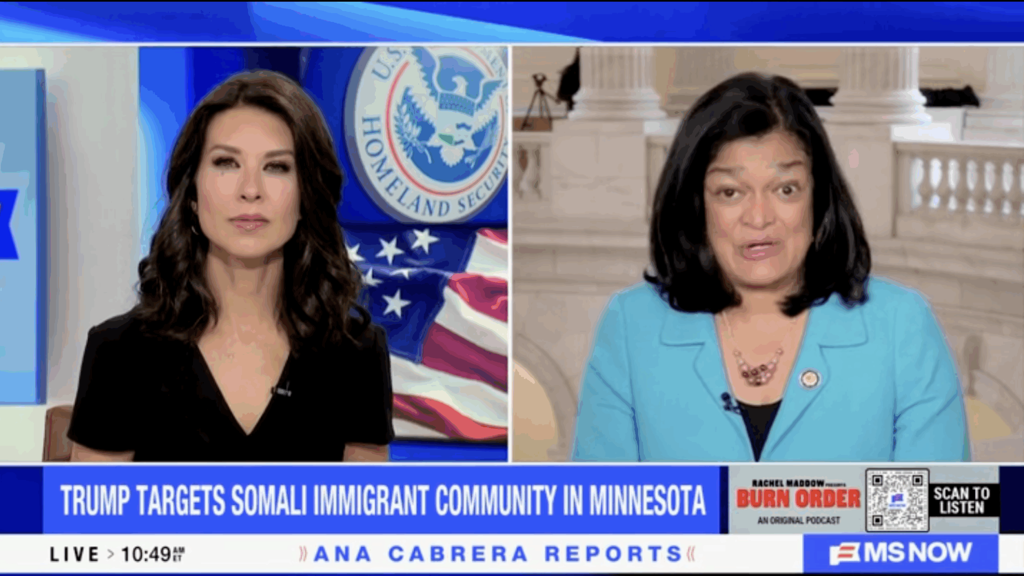
Rep. Pramila Jayapal, D-Wash., recently stated that immigrants from various countries have played a crucial role in building the United States, sparking a debate about the historical foundations of the nation. During an appearance on MS Now, Jayapal emphasized that immigrants from places like Somalia, India, and Latin America have significantly contributed to the country’s development. "The majority of Americans across the country, regardless of political party, know that immigrants from all over the world... have built this country and make this country what it is today," she said.
Explainer Understanding Immigration Enforcement: Policies and Controversies
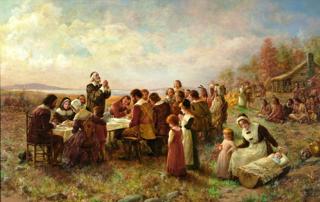
Historical Context of America's Founding
Critics of Jayapal's assertion argue that the foundational principles of the United States were established by early settlers who were predominantly of English descent. They contend that the unique cultural and religious framework of these settlers was instrumental in forming the nation. John Daniel Davidson, a writer for The Federalist, noted that the idea that "all men are created equal" is rooted in a Christian worldview that shaped American legal and civic culture.
Davidson stated, "The only people who ever took that self-evident truth and used it as a foundation on which to forge a new nation were the English colonists in America." This perspective suggests that the contributions of early settlers are distinct from those of later immigrant groups, who may not share the same historical or cultural ties to the founding of the nation.
Immigration and Cultural Contributions
Jayapal's comments have reignited discussions about the role of immigrants in American society. Supporters of her view argue that immigrants have enriched the country through their diverse cultures, skills, and labor. However, detractors point to the challenges that some immigrant communities face in adapting to the American system of governance and civic responsibility.
For instance, in Minnesota, where there is a significant Somali population, some community members have been involved in legal controversies, including a reported billion-dollar welfare fraud scheme. Critics argue that such incidents highlight difficulties in integrating immigrant communities into the fabric of American society. Despite this, data shows that Somalians in Minnesota contribute approximately $67 million in state and local taxes, indicating their economic participation.
The Debate Over American Identity
The ongoing discourse around Jayapal's remarks raises questions about American identity and the narrative of who built the nation. Some argue that acknowledging the contributions of various immigrant groups is essential to understanding the country's evolution. Others maintain that recognizing the specific cultural and religious foundations of the United States is crucial for preserving its historical integrity.
As the debate continues, it reflects broader tensions regarding immigration, cultural assimilation, and national identity. The differing viewpoints underscore the complexity of America's history and the ongoing challenge of integrating diverse populations into a cohesive national narrative.
In conclusion, Jayapal's comments have sparked a significant discussion about the historical contributions of immigrants versus the foundational role of early American settlers. This dialogue is likely to persist as the nation grapples with its identity in an increasingly diverse society.