U.S. Energy Policy Explained: Balancing Security, Economy, and Environment
Explore the foundations and complexities of U.S. energy policy, detailing federal laws, state actions, and the political debates shaping America’s energy future.
Additional reporting by Liam Walker
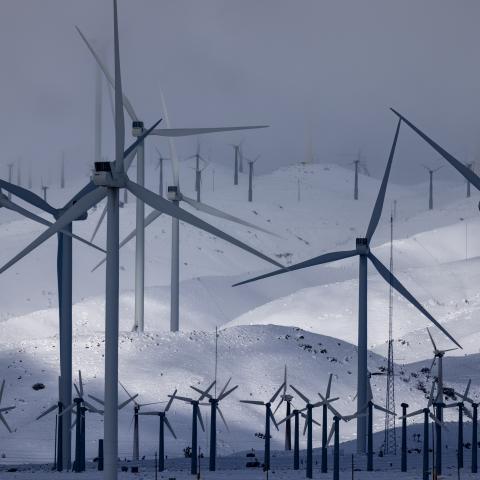
Energy policy in the United States represents a continuous balancing act among ensuring national security, fostering economic growth, and addressing environmental concerns. Over the decades, federal legislation, state initiatives, and shifting market dynamics have all played critical roles in shaping the country’s energy landscape. For conservatives, this balance often centers on pragmatic energy independence and affordable, reliable supply, resisting overreach that harms industries or threatens economic vitality.
Understanding this multifaceted policy arena requires examining the core statutes underpinning federal energy governance, the influence of state-level renewable mandates, and the ongoing political battles that influence legislative priorities. This explainer offers a clear, detailed foundation on how America’s energy policy operates, the key legislative and administrative tools involved, and how recent developments continue to shape the sector’s trajectory.
Federal Energy Legislation and Its Role in Shaping Policy
"True energy security demands policies that protect markets, enable innovation, and keep fuel affordable without sacrificing American independence."
At the heart of the U.S. energy framework is the Energy Policy Act of 2005, landmark legislation that introduced incentives for renewable energy development and established loan guarantees designed to support emerging low-emission technologies. This law also raised biofuel content requirements in gasoline, aiming to reduce dependence on imported oil while promoting homegrown energy sources. The Act underscores the federal government’s role in steering energy innovation without fully displacing market forces. As a practical illustration, the Act provided a blueprint for balancing public support with private sector initiative, avoiding heavy-handed mandates that could distort supply and demand dynamics.
The Department of Energy (DOE) serves as the federal agency coordinating and administering policies to ensure a stable energy supply. Its Office of Technology Policy spearheads initiatives like the Energy Earthshots, which accelerate breakthrough developments in areas such as clean hydrogen and long-duration energy storage. These efforts reflect a strategic approach to fostering energy innovation, not through direct mandates but via targeted support for technologies that can bolster energy security and economic competitiveness. This approach mirrors conservative economic principles that prioritize market-driven progress rather than overregulation.
Legislative packages like the Bipartisan Infrastructure Law and the Inflation Reduction Act have added significant funding for energy infrastructure and clean energy incentives. These investments offer opportunities to upgrade the grid and encourage cleaner energy sources, but they also spark debate about government spending priorities, regulatory impacts, and potential unintended economic consequences. Conservative critics often caution that heavy-handed subsidies may distort markets, favor select industries, and jeopardize energy affordability. For many conservatives, such policies risk inflating public debt and imposing hidden costs on taxpayers, potentially undercutting long-term economic stability.
Moreover, the historical context is vital: past federal energy policies showed that interventions encouraging renewables, when paired with robust fossil fuel development, helped secure energy dominance and economic growth. Disruptions occur when incentives skew too heavily and unnaturally toward certain technologies, sidelining reliable energy sources that underpin the nation’s industrial capacity and everyday life.
State-Level Initiatives and Their Influence on Energy Markets
Energy policy in the U.S. is also profoundly shaped by state mandates, particularly Renewable Portfolio Standards (RPS). As of mid-2020s, 29 states plus the District of Columbia require a certain percentage of electricity to be generated from renewable sources. These mandates encourage regional diversification of energy supply but can also contribute to higher utility costs and grid reliability challenges, especially in states with aggressive renewable targets. RPS programs, while politically popular in some regions, often show conflicting outcomes between environmental goals and economic realities.
For example, California’s energy policies, marked by refinery closures and shifts towards renewables, have raised significant concerns about electricity reliability and fuel prices. The state voices challenges over energy reliability demonstrate the practical consequences of aggressive regulatory approaches, affecting consumers and businesses alike. Conservatives argue that a measured, technologically neutral approach would better serve both economic and environmental goals than sweeping mandates. California’s experience highlights how well-intended sustainability policies can inadvertently reduce supply resilience and increase costs for families and manufacturers, threatening the broader economy.
Meanwhile, states like Texas blend regulatory caution with market dynamism, as seen when the Trump administration leveraged the Defense Production Act to expand Texas refineries. This move contrasts sharply with more interventionist policies elsewhere, emphasizing domestic fuel production and energy independence. Texas also faces its own debates about environmental impacts and permitting, highlighting the diversity of state-level approaches to energy policy. Texas' reliance on market mechanisms and fossil fuel resources has sustained lower energy costs and robust economic growth, reflecting conservative preferences for less regulatory interference.
Further complicating the patchwork of state policies is the tension between states pursuing aggressive clean energy goals and neighboring states prioritizing grid reliability and affordability. This creates interstate challenges as electricity grids are interconnected, and unilateral mandates may shift costs and risks across state lines. Conservatives emphasize the need for federal leadership to harmonize standards and prevent a disjointed regulatory environment that confuses investors and consumers alike.
Political Dynamics and Partisan Divides in Energy Policy
Energy policy is a cornerstone issue dividing the major political parties. Democrats generally push for expansive renewable energy investments and regulatory measures to curb carbon emissions, aiming to combat climate change through federal incentives and standards. For instance, recent efforts by Democrats to restore renewable energy tax credits show a commitment to embed subsidies firmly into the energy economy despite fiscal cost concerns. Such policies are rooted in an environmentalist agenda that many conservatives view as risking economic disruption and energy insecurity.
On the other hand, conservative voices emphasize energy independence, affordable fuel prices, and skepticism about government intervention that could stifle innovation or raise costs for consumers and businesses. Representative Grothman’s attribution of high gas prices to Democrat-driven inflation and energy policies highlights the clash over how best to balance energy security with economic realities amid rising gas prices. Conservatives warn that aggressive climate policies, without sufficient regard for market fundamentals, risk hurting the American worker and slowing economic growth.
Additionally, geopolitics deeply affects American energy strategy. Restrictions and controversies surrounding deals with Russian diesel imports, prompted by bipartisan senators urging action to block such trade due to legal bans, underscore the intersection of energy policy with national security concerns [/2026/10/12/courts-law/bipartisan-senators-urge-trump-to-halt-russian-diesel-deal-cite-legal-ban/]. The Trump administration’s consideration of diesel export bans also reflects a calculated response to global supply disruptions and domestic fuel affordability contemplated in political moves. Here, conservatives consistently prioritize reducing dependence on hostile regimes and maintaining control over critical energy resources as a pillar of national defense.
The partisan divide also manifests in differing views on fossil fuels versus renewables. Conservatives defend traditional energy industries for their role in economic prosperity and argue that abrupt transitions risk job losses and community destabilization. Meanwhile, Democrats often emphasize climate urgency that justifies more aggressive energy transformation despite economic pain. Recognizing these tensions is crucial for informed dialogue about the nation’s energy future.
Technological Innovation and the Future of Energy
Looking forward, technological innovation remains a crucial pillar in evolving U.S. energy policy. Beyond traditional fossil fuels and renewables, emerging fields like fusion energy represent potential game changers. The merger between Trump Media and TAE Technologies to advance fusion energy development signifies an attempt to break from conventional energy limitations and pioneer a new frontier that promises abundant and clean power sources [/2025/12/18/politics/trump-media-merges-with-tae-technologies-to-advance-fusion-energy/]. Fusion, if made commercially viable, could offer nearly limitless energy with minimal environmental impact, shifting the calculations underlying energy security and climate concerns.
At the same time, the DOE’s push for innovations in battery storage, hydrogen fuel, and carbon capture technologies is designed to mitigate environmental impacts without sacrificing energy reliability. These efforts illustrate a pragmatic approach: meeting environmental concerns through scientific advancement rather than solely regulatory mandates, which can risk economic disruption and energy insecurity. Supporting market-driven innovation aligns with conservative principles favoring entrepreneurship and competition over bureaucratic prescriptions.
Yet the challenges remain significant, particularly ensuring that new technologies can be commercially viable, scalable, and integrated effectively into existing grids. States like Virginia, wrestling with energy standards for data centers and debates over natural gas’s role, show how local policy decisions can either foster or hamper broader innovation goals [/2026/09/27/politics/virginia-unveils-data-center-energy-standards-amid-debate-over-natural-gas-role/]. Conservative policy priorities often emphasize supporting market-driven innovation rather than imposing prescriptive standards that could limit flexibility or increase costs.
This technological frontier also involves balancing risks and rewards. While fusion and advanced storage hold promise, their long timelines and capital requirements require careful stewardship of public resources and private investment. Pragmatically, a diversified portfolio of energy sources and technologies is critical to avoid over-reliance on unproven methods, ensuring energy security remains robust.
Energy Policy’s Impact on Consumers and Industries
The ultimate measure of energy policy is its effect on American families and industries. Rising gasoline prices in states such as California, widely attributed to refinery closures and regulatory complexity, highlight how energy policies can translate into tangible economic pain for everyday citizens [/2026/09/09/politics/california-gas-prices-lead-nation-amid-refinery-closures-policy-disputes/]. These realities fuel public pushback and conservative calls for policies that prioritize affordability and energy sovereignty over ambitious but costly green transitions. Affordability and supply reliability remain paramount for working families relying on transportation and heating amid broader economic pressures.
Energy-intensive sectors such as transportation, manufacturing, and agriculture closely monitor policy trends that affect fuel availability and prices. The looming deadline for waivers related to the Jones Act — a law governing domestic shipping — exemplifies how policy decisions at the federal level can have immediate impacts on logistics and the cost of goods [/2026/11/10/politics/trump-faces-deadline-on-jones-act-waiver-as-industry-groups-clash/]. Conservative perspectives emphasize preserving such laws to protect domestic industries while balancing exemptions that can ease supply chain bottlenecks without undermining national economic interests.
Energy policy also has national security implications, as seen in responses to threats in the Strait of Hormuz—a vital oil transit point—and considerations for sanction enforcement on energy trade partners like Russia. How aggressively the U.S. pursues these challenges can affect global markets, domestic energy prices, and geopolitical stability [/2026/03/13/politics/irans-closure-of-the-strait-of-hormuz-heightens-energy-crisis-amid-u-s-policy-critique/]. A robust, diversified energy portfolio that reduces dependency on hostile regimes aligns with conservative priorities for national defense and economic resilience.
Furthermore, unpredictable energy costs and supply disruptions can have ripple effects, impacting inflation, manufacturing competitiveness, and job creation. Conservatives argue that stable policies focusing on energy self-reliance safeguard American productivity and maintain global economic leadership.
Navigating Energy Policy Amidst Regulatory Uncertainty
One of the underappreciated difficulties in energy policy is the regulatory uncertainty it often breeds. Fluctuating mandates, tax incentives, and interstate legal disputes impede long-term investment decisions. Cases like the Supreme Court agreeing to hear Suncor v. Boulder, which challenges state authority in climate lawsuits, signal an ongoing legal battleground between local environmental policymaking and broader economic interests [/2026/09/30/courts-law/supreme-court-to-hear-suncor-v-boulder-weighing-state-power-in-climate-lawsuits/]. Conservatives frequently argue for clearer federal rules that prevent patchwork policies from destabilizing energy markets and chilling investment.
This uncertainty is mirrored in the data center sector, where governors have intervened to pause developments amid energy audits, reflecting concerns over infrastructure strain and regulatory compliance [/2026/08/07/politics/abbott-halts-new-texas-data-centers-pending-statewide-audit/]. Such stopgap measures underscore the tension between economic growth and infrastructure capacity, illustrating the need for balanced policies that accommodate both priorities.
Finding the equilibrium between growth and environmental stewardship without overregulation remains a persistent conservative call to action. Policymakers face the challenge of encouraging innovation and infrastructure expansion, yet avoiding burdensome regulations that slow development and raise costs.
Ultimately, U.S. energy policy is a constantly evolving field where philosophical divides, economic interests, and technological possibilities collide. Recognizing the complexity beneath headline debates enables a more grounded conversation about the best paths forward—paths that secure America’s energy independence, uphold economic vitality, and incorporate responsible stewardship of natural resources.
Frequently asked questions
What is the main federal law governing U.S. energy policy?
The Energy Policy Act of 2005 is a central federal statute that provides frameworks for energy production, efficiency, and renewable incentives.
How do state Renewable Portfolio Standards impact energy markets?
RPS require utilities to source a set percentage of their power from renewables, influencing energy mixes, prices, and grid reliability regionally.
Why do conservatives often oppose aggressive renewable subsidies?
Conservatives argue that heavy subsidies distort markets, increase costs for consumers, and can hamper energy reliability and innovation.
What role does the Department of Energy play in energy policy?
The DOE implements policy, manages federal energy programs, coordinates innovation initiatives, and helps ensure national energy security.
How do geopolitics affect U.S. energy decisions?
Energy trade and supply security are influenced by foreign relations, sanctions, and strategic crises, impacting domestic prices and national security.
What is the significance of emerging energy technologies like fusion?
Fusion promises vast clean energy with minimal environmental impact, potentially transforming long-term energy policy and reducing fossil fuel dependency.
How do regulatory uncertainties impact energy investment?
Inconsistent or overlapping regulations create risk for investors, slowing development of new infrastructure and technology deployment.
Timeline of our coverage
- 2026-11-10 — Trump Faces Deadline on Jones Act Waiver as Industry Groups Clash
- 2026-11-08 — Democrats Plan Push to Restore Renewable Energy Tax Credits After Regaining Congress
- 2026-10-22 — California Faces Energy Reliability Concerns Amid Refinery Closures and Policy Shifts
- 2026-10-13 — Trump Administration Uses Defense Production Act to Expand Texas Refinery
- 2026-10-12 — Bipartisan Senators Urge Trump to Halt Russian Diesel Deal, Cite Legal Ban
- 2026-10-10 — Rep. Grothman Blames Democrats for High Gas Prices, Cites Inflation and Energy Policy
- 2026-10-04 — Trump Considers Diesel Export Ban as Experts Warn of Short-Lived Relief
- 2026-09-30 — Supreme Court to Hear Suncor v. Boulder, Weighing State Power in Climate Lawsuits
- 2026-09-27 — Virginia Unveils Data Center Energy Standards Amid Debate Over Natural Gas Role
- 2026-09-09 — California Gas Prices Lead Nation Amid Refinery Closures, Policy Disputes
- 2026-08-07 — Abbott Halts New Texas Data Centers Pending Statewide Audit
- 2026-07-22 — BLM Advances Fracking Lease Sale in Ohio's Wayne National Forest
- 2026-06-09 — California's Partnership with Chinese University Raises Concerns Over Energy Policy
- 2026-03-13 — Iran's Closure of the Strait of Hormuz Heightens Energy Crisis Amid U.S. Policy Critique
- 2025-12-18 — Trump Media Merges with TAE Technologies to Advance Fusion Energy
The Bottom Line
- Energy policy directly affects national security by shaping America’s independence from foreign oil and influence in global markets.
- Economic growth hinges on reliable, affordable energy; policy missteps can raise costs and disrupt industries vital to American prosperity.
- Environmental stewardship requires innovation-supported transitions rather than economically harmful mandates or subsidies.
- Understanding energy policy complexities helps voters and policymakers make informed decisions that reflect American values and practical realities.



Sources
- Energy Policy Act of 2005
- 42 U.S.C. § 8201: Findings and Statement of Purposes
- Renewable Energy Explained: Renewable Portfolio Standards
- Investing in American Energy: Continued Progress Through Policy
- The White House: Unleashing American Energy
- Energy.gov: Energy Security
- Energy.gov: Office Policy
- Legalclarity.org: U S Energy Policy Federal Laws Reforms And State Trends
- En.wikipedia.org: Energy Policy Of The United States
- Iea.org: United States