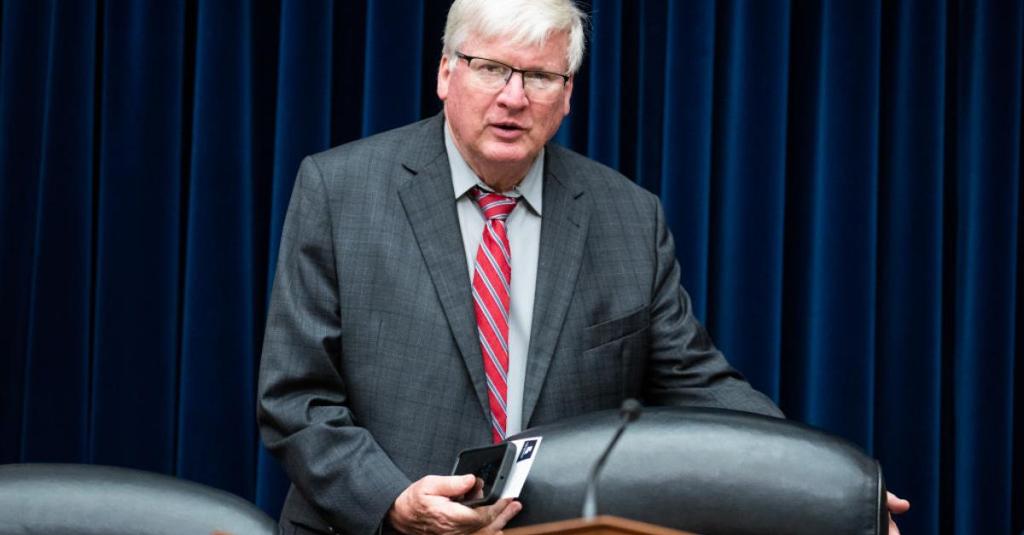
Wisconsin Republican Rep. Glenn Grothman this week blamed Democratic energy and spending policies for persistently high gas prices and inflation, urging voters to consider these economic issues as they head to the polls in upcoming elections.
Grothman’s remarks underscore the ongoing partisan divide over energy production and inflation, with Republicans frequently attributing rising costs to Democratic policy decisions. Democrats have not directly responded to Grothman’s latest criticisms, but the debate over energy and inflation remains central to the national political conversation.
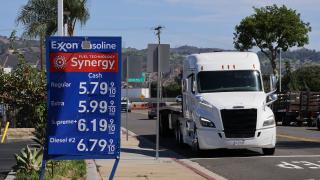
Gas prices continue to be a major concern for American consumers. According to the American Automobile Association (AAA), the national average price for a gallon of regular gasoline stood at $4.37 as of October 10, 2026. In California, prices have exceeded $6.30 per gallon, with some areas reporting even higher costs. Grothman cited these figures as evidence that Democratic opposition to expanded oil drilling, fracking, and pipeline construction has limited domestic energy supply and contributed to higher prices at the pump.
Grothman’s Critique of Energy Policy
Grothman specifically criticized Democrats for opposing oil drilling in Alaska, fracking in North Dakota, and the construction of the Keystone XL pipeline. He argued that these stances have restricted U.S. energy production, leading to supply shortages and, consequently, higher gas prices. “The reason we have high gas prices is we have a shortage of supply, which always results in the higher cost,” Grothman said.
He pointed to California as a case in point, noting that gasoline prices there have reached $6.40 per gallon, compared to $4.05 in other regions. According to AAA, the national average is $4.37 per gallon, with the highest recorded average under President Joe Biden peaking at $5.02 in June 2022. Grothman warned that, without the construction of new refineries and the expansion of domestic energy production, high prices could persist for years to come.
Grothman also questioned whether those who have opposed increased domestic energy production could be expected to lower prices for consumers. “And now you expect these people to lower the price of gas?” he said, referencing Democratic lawmakers.
Inflation and Government Spending
In addition to energy policy, Grothman turned his attention to inflation, blaming record price increases under President Biden on increased federal government spending. He cited data from the Consumer Price Index, noting that inflation peaked at 9.1% in June 2022. Grothman argued that Democratic policies, particularly those involving higher federal expenditures, risk further price hikes for American families.
“The reason we had high inflation is high spending, which is what the Democrats are usually known for,” Grothman said. He linked high gas prices and overall inflation, warning that continued government spending could exacerbate both issues. Grothman urged voters to support Republican candidates if they want to see lower prices at the pump and reduced inflation, framing the upcoming elections as a referendum on economic policy.
Republican Policy Record and Response
Grothman encouraged his fellow Republicans to campaign on what he described as achievements under former President Donald Trump and a GOP-led Congress. He cited trade agreements with China, lower prescription drug costs, and tax changes that he said benefited working Americans. “You're not aiming for some big billionaire when you cut the tax on tips or when you put a deduction for interest on car loans. Those are all for the average guy,” Grothman said.
Democratic leaders have not directly addressed Grothman’s latest criticisms. However, the AAA continues to report elevated gas prices nationwide, with the national average remaining above $4 per gallon as of this week. The issue of energy costs and inflation is expected to remain a key topic as candidates from both parties make their case to voters.
As the election approaches, Grothman’s comments reflect a broader Republican strategy of focusing on economic issues, particularly those that directly impact household budgets. With gas prices and inflation remaining top concerns for many Americans, both parties are likely to face continued scrutiny over their policy records and proposals.